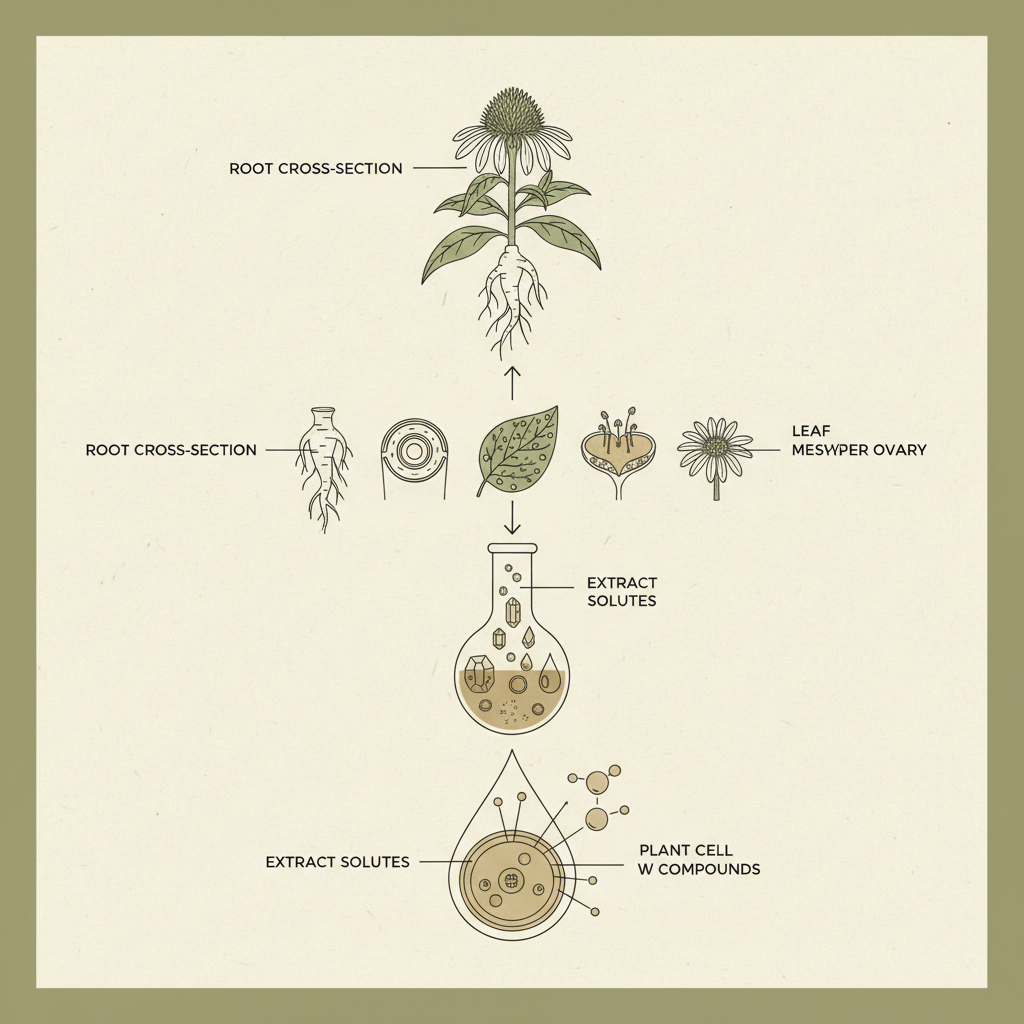
When sourcing specialized botanical ingredients for nutraceutical formulations, the reliability of centella asiatica extract suppliers often determines the final product's efficacy and stability. For manufacturers in the health food production sector, the challenge lies not just in finding a source, but in ensuring the extract maintains active compound integrity throughout the supply chain. The variability in extraction methods can lead to significant differences in the concentration of triterpenes, which are the primary bio-actives responsible for the plant's therapeutic properties.
The integration of high-purity extracts into diversified product lines—ranging from chewable tablets and liposomal delivery systems to microencapsulated powders—requires a supplier capable of providing consistent technical specifications. In the context of nutritional health food manufacturing, the precision of the raw material affects everything from the bioavailability of the nutrient to the sensory profile of the final dose. Ensuring that the source material is Non-GMO and BSE/TSE free is no longer an optional luxury but a fundamental requirement for global regulatory compliance and consumer trust.
Navigating the complexities of the global botanical market requires a strategic partnership with an integrated supplier. By focusing on traceability and industry-standard quality controls, brands can transition from simple OEM processing to establishing a recognized market presence. This guide analyzes the critical parameters for evaluating centella asiatica extract suppliers, focusing on technical verification, application compatibility, and the logistical frameworks necessary for scalable production.


The procurement of botanical extracts begins with a rigorous understanding of the source material's origin and processing history. For professional buyers, the focus is on identifying suppliers who can provide a clear trail from the cultivation of the plant to the final refined powder. This traceability ensures that the active markers remain consistent across different batches, preventing the volatility in product performance that often plagues low-tier sourcing strategies.
Beyond the plant itself, the solvent used during extraction—such as ethanol or water—critically influences the final profile of the extract. A professional supplier must provide detailed specifications regarding solvent residue and the method of evaporation. This is especially vital for ingredients intended for the nutraceutical and cosmeceutical industries, where purity levels are scrutinized by regulatory bodies to ensure consumer safety and product stability.
When evaluating the technical data sheets of various botanical suppliers, the assay percentage is the primary metric, but it is not the only one. A comprehensive quality assessment must include a detailed breakdown of the active components, such as the specific triterpene saponins in Centella Asiatica. The presence of these markers, verified through HPLC (High-Performance Liquid Chromatography), provides the objective evidence required to validate the supplier's claims regarding potency and efficacy.
High-quality botanical extracts are defined by the absence of contaminants. Rigorous testing for heavy metals—including Lead, Arsenic, Cadmium, and Mercury—must be conducted via ICP-MS to ensure the extract meets international safety thresholds, such as those set by the CPh2010 or AOAC standards.
Furthermore, microbiological stability is a non-negotiable factor. Suppliers must demonstrate that their production environment prevents the growth of E.Coli, Salmonella, and Staphylococcus. A total plate count below 1000 cfu/g and mould/yeast counts below 100 cfu/g indicate a controlled manufacturing process that preserves the shelf life of the final dietary supplement, reducing the risk of spoilage in the end-consumer's hands.
For companies scaling their operations, moving from a fragmented sourcing model to an integrated supply chain offers significant competitive advantages. An integrated supplier does not just provide a raw material; they provide a framework of quality, implementation, and traceability. This reduces the administrative burden on the manufacturer and minimizes the risk of production halts due to inconsistent raw material arrivals or failed quality checks.
The ability to source diverse functional ingredients—from chelated vitamins and botanical extracts to specialized microencapsulated carotenoids—from a single, ISO-qualified partner allows for better synchronization of R&D and production cycles.
Moreover, the availability of customized services, such as OEM/ODM support and door-to-door delivery from localized warehouses, allows smaller brands to grow into well-known enterprises. By leveraging the infrastructure of a supplier with extensive production and warehousing space, manufacturers can maintain leaner inventories while ensuring a steady flow of high-grade ingredients to meet fluctuating market demands.
Comparing different extraction grades requires a look at the balance between active concentration and the presence of inert materials. A higher assay percentage generally indicates a more efficient extraction process, but the purity of the solvent and the precision of the filtration system determine whether the extract is suitable for high-end cosmetic actives or general food supplements. The goal is to maximize the active markers while minimizing the peroxide value and loss on drying.
In the case of phospholipids like Phosphatidylserine, for example, the distribution of specific components—such as Phosphatidylethanolamine and Phosphatidylcholine—must be carefully balanced to ensure the intended physiological effect. This level of technical granularity is what separates a commodity supplier from a professional biotechnology partner capable of supporting complex pharmaceutical and nutritional formulations.
Botanical extracts are increasingly being integrated into complex delivery formats to enhance stability and absorption. For instance, liposomal delivery and microencapsulation are used to protect sensitive active compounds from degradation during digestion or exposure to light and oxygen. This allows manufacturers to create "Time Release" tablets or cold-water soluble (CWS) powders that maintain their potency from the factory to the consumer.
In the cosmeceutical space, the demand for high-purity actives is driven by the need for targeted skin benefits. Extracts are formulated into serums and creams where the solubility and particle size of the powder are critical. A supplier that provides materials available as beadlets or oil suspensions can significantly reduce the formulation time for the end manufacturer, ensuring a smooth texture and consistent active distribution in the final cosmetic product.
The industry is shifting toward "clean label" ingredients, where the removal of synthetic carriers and the use of natural solvents are prioritized. This trend is pushing suppliers to innovate their extraction technologies, moving toward greener solvents and more precise purification steps. The goal is to provide an extract that is not only potent but also aligns with the consumer's desire for Non-GMO and allergen-free products.
Another significant trend is the move toward synergistic formulations, where botanical extracts are combined with chelated minerals or specific vitamins to create a comprehensive health solution. For example, combining brain-supporting compounds with cognitive-enhancing botanicals requires a supplier who understands the chemical compatibility of different raw materials to prevent adverse reactions or loss of potency during the mixing process.
Lastly, the globalization of the supply chain is leading to a higher demand for localized warehousing and faster delivery cycles. The establishment of regional hubs, such as USA warehouses, allows for a "gram to tonnage" service model, enabling brands to conduct small-scale R&D trials and then rapidly scale to full-scale production without the lead-time risks associated with international shipping.
One of the most persistent challenges in botanical sourcing is the inconsistency of batch-to-batch quality. This is often caused by variations in the raw plant material due to seasonal changes or soil conditions. To mitigate this, professional manufacturers should insist on a Certificate of Analysis (CoA) for every batch, which should include HPLC data for active markers and a full microbiological panel.
Another hurdle is the compatibility of the extract with different dosage forms. An extract that works perfectly in a liquid suspension may clump in a chewable tablet or fail to dissolve in a liposomal formulation. Working with a supplier that offers diverse physical forms—such as fine yellow powders, beadlets, or oil suspensions—allows the manufacturer to select the material that best fits their specific production equipment and delivery goal.
Finally, regulatory compliance remains a significant risk. Passing KOSHER, HALAL, or ISO certifications is essential for entering international markets. Suppliers who proactively renew these certifications and maintain transparent documentation processes help their clients avoid costly delays during customs inspections or regulatory audits.
| Evaluation Metric | Standard Grade | Premium Grade | Impact on Final Product |
|---|---|---|---|
| Active Assay | Low / Variable | High / Standardized | Product Efficacy |
| Heavy Metals | General Testing | ICP-MS Detailed | Safety Compliance |
| Microbiology | Basic Plate Count | Zero Pathogens | Shelf Life |
| Solvent Residue | Standard Evap | Ultra-low Residue | Toxicity/Purity |
| Certifications | Basic ISO | ISO/KOSHER/HALAL | Market Access |
| Physical Form | Powder Only | Custom (CWS/Beadlets) | Formulation Ease |
Request a full Certificate of Analysis (CoA) that includes HPLC results for specific active markers, not just a total percentage. Additionally, verify that heavy metal testing was performed using ICP-MS and that microbiological data follows AOAC or similar international standards to ensure there are no pathogens like Salmonella or E.Coli present in the batch.
Standard powders are raw extracts that may be sensitive to oxidation, light, or gastric acids. Microencapsulated extracts are coated in a protective layer that shields the active compounds, improving stability and allowing for controlled release. This is particularly useful for ingredients that have a strong taste or those that need to reach the lower intestine to be absorbed.
Yes, professional integrated suppliers often provide "gram to tonnage" services. This allows companies to purchase small quantities for laboratory trials and stability testing before committing to large-scale production. Having a USA-based warehouse or similar regional hub further streamlines this process by reducing lead times for both samples and bulk orders.
At a minimum, look for ISO qualification for the manufacturing facility. For global distribution, KOSHER and HALAL certifications are critical for market access in specific regions. Additionally, ensure the supplier provides documentation confirming the material is Non-GMO, BSE/TSE Free, and Allergen Free to meet the strict requirements of the health food and nutraceutical industries.
The solvent determines which compounds are pulled from the plant material. Ethanol is commonly used for a broad range of actives, while water is used for polar compounds. The critical factor is the removal of the solvent; high-quality suppliers use advanced vacuum evaporation to ensure that residual solvent levels are well below safety thresholds defined by pharmacopeias like CPh2010.
Traceability ensures that the raw material is not adulterated and that the cultivation practices meet safety standards. By tracking the ingredient from the farm to the final powder, suppliers can identify the cause of any quality deviations and guarantee that the active marker concentration remains consistent across different seasonal harvests, which is essential for product standardization.
Securing a reliable partnership with professional centella asiatica extract suppliers is a strategic necessity for any manufacturer in the health food and cosmeceutical space. The transition from simple ingredient sourcing to a technical partnership based on traceability, HPLC verification, and advanced delivery systems like microencapsulation allows brands to ensure consistent efficacy and safety. By focusing on rigorous purity metrics and regulatory compliance, companies can mitigate the risks of raw material variability and build long-term consumer trust.
For those seeking an integrated approach to raw material procurement, exploring a supplier with global logistics capabilities and a broad array of functional ingredients is the most efficient path to growth. Whether you are developing a new liposomal supplement or scaling a botanical skincare line, ensuring your raw materials meet top industry standards is the foundation of success. To learn more about our comprehensive range of botanical extracts and customized formulation services, visit www.finutra.com.