The search for physiological optimization often leads individuals toward a complex market of supplements and ergogenic aids. For many, the initial impulse is focused on buying performance enhancing drugs, yet a critical gap often exists between the desire for results and the understanding of raw material bioavailability.
In the modern nutraceutical landscape, the focus has shifted from simple ingestion to precise delivery. The efficacy of any performance-oriented compound depends heavily on its stability during processing and its absorption rate within the human body, moving the conversation from "what" to buy to "how" it is formulated.
This analysis explores the intersection of high-performance nutrition and advanced manufacturing, specifically examining how microencapsulation and specialized delivery systems are redefining the standard for athletic and health-focused supplements.


Historically, the pursuit of athletic excellence relied on high-dose supplementation. However, the industry has recognized that raw potency does not equal efficacy. The primary challenge is not the availability of the compound, but its survival through the gastrointestinal tract and its subsequent absorption.
Modern manufacturers are now focusing on "intelligent" ingredients. By utilizing techniques like microencapsulation, companies can protect volatile compounds from oxidation and premature degradation, ensuring that the active phase reaches the target site in the body.
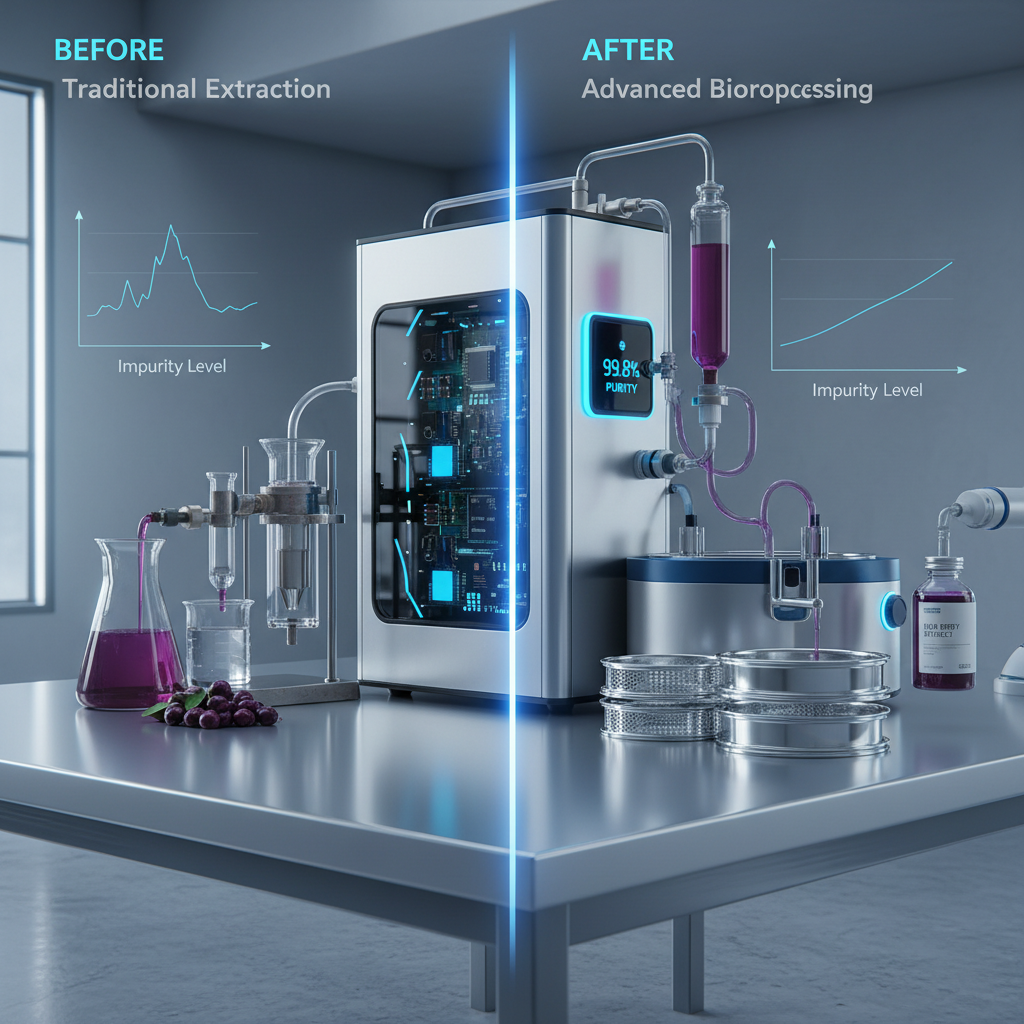
At the core of advanced nutrition is the process of encapsulating tiny core materials within a protective shell. This technical approach addresses several critical issues: it masks unpleasant tastes of potent ingredients, prevents reactive biomolecules from interacting with other components in a formula, and allows for controlled release profiles.
For instance, Cold Water Soluble (CWS) powders are engineered for rapid self-dispersion, making them ideal for powdered beverages where clumping is a common failure point. By optimizing the shell material, manufacturers can ensure that the active ingredient remains stable even in low-pH environments, such as the stomach, until it reaches the intestines.
Furthermore, the use of beadlets provides a spherical particle structure that improves flow characteristics during the tableting process. This ensures dosage uniformity across thousands of units, a requirement that is paramount for any professional-grade supplement intended for high-performance athletes.
Many of the most effective performance-enhancing nutrients, such as Omega-3s, certain vitamins, and carotenoids, are highly susceptible to thermal degradation and oxidation. When these ingredients are exposed to light or air, they lose their biological activity, rendering the final product ineffective.
True product differentiation in the nutrition industry is no longer about the list of ingredients, but about the delivery technology that guarantees those ingredients remain active and bioavailable upon ingestion.
To combat this, the industry has adopted oil suspensions and microencapsulated carotenoids. These formats provide a robust barrier against environmental stressors. By utilizing non-GMO vegetarian oil suspensions, manufacturers can create soft gel capsules that are stable over long shelf-lives without the need for excessive synthetic preservatives.
When evaluating the performance of various delivery formats, manufacturers look at several indices: solubility, stability, and bioavailability. A standard raw powder may have high purity but poor solubility, leading to wasted material and poor user experience.
In contrast, specialized formats like CWS powders or micro-beadlets exhibit significantly higher relative performance in liquid applications and tablet compression. The following index illustrates the relative effectiveness of these formats across key operational requirements.
In a typical industrial setting, a supplement brand creating a pre-workout or meal replacement product must balance taste with high-potency ingredients. For example, utilizing Instantized BCAA 2:1:1 or L-Arginine CWS powder allows the manufacturer to create a product that mixes instantly in cold water without the "gritty" texture common in lower-quality formulations.
Furthermore, for those developing targeted recovery capsules, microencapsulated beadlets containing Astaxanthin or Lutein provide a way to deliver high concentrations of antioxidants that are protected from the air inside the capsule, ensuring that the athlete receives the full intended dose.
The next evolution in performance nutrition is moving toward personalized, time-released delivery. Rather than a single spike in nutrient levels, the goal is to maintain a steady state of bioavailability over several hours, mimicking the body's natural absorption curves.
We are seeing an increase in the demand for "clean label" encapsulation, where synthetic shells are replaced by plant-based, gelatin-free options. This shift is driven by a growing demographic of vegetarian and vegan athletes who require the same performance benefits without compromising their dietary values.
Additionally, the integration of liposomal technology is promising for ingredients with extremely low absorption rates. By wrapping nutrients in a phospholipid bilayer, the body can absorb them more efficiently, potentially reducing the required dosage while increasing the actual biological effect.
Choosing the right raw material format requires a trade-off analysis between stability, cost, and application. A manufacturer focusing on budget-friendly powders may prioritize CWS formats, while a premium capsule line will likely require beadlets for their superior flow and stability.
It is also essential to consider the interaction between ingredients. Reactive biomolecules can degrade each other if not properly isolated. Encapsulation provides a physical barrier that allows multiple potent ingredients to coexist in one tablet without compromising the integrity of any single component.
Ultimately, the decision should be based on the intended end-use. Whether it is a rapidly dissolving drink or a slow-release tablet, the delivery technology is what transforms a raw chemical into a functional nutritional tool.
| Format | Primary Strength | Ideal Application | Stability Level |
|---|---|---|---|
| CWS Powder | Rapid Dispersion | Powdered Beverages | Medium-High |
| Beadlets | Flowability | Capsules/Tablets | High |
| Oil Suspension | Lipid Protection | Softgels | Very High |
| Raw Extract | Cost Efficiency | Bulk Mixtures | Low |
| Liposomal | Max Absorption | Liquid Concentrates | High |
| Time-Release | Extended Delivery | Daily Supplements | Medium |
The primary advantage is the protection of sensitive active ingredients from environmental degradation (oxidation, light, heat) and the masking of unpleasant tastes. More importantly, it allows for controlled release and improved bioavailability, ensuring the nutrient survives the digestive process to be absorbed effectively by the body.
Cold Water Soluble (CWS) powders are engineered to disperse rapidly in cold liquids without clumping. Standard powders often require heat or aggressive shaking to mix. CWS technology is critical for pre-workout and meal replacement drinks where a smooth texture and rapid preparation are essential for the user experience.
Beadlets are spherical and free-flowing, which prevents "bridging" in filling machinery and ensures that every capsule contains the exact same amount of active ingredient. Raw powders can clump or settle, leading to inconsistent dosing across a production batch, which is a significant quality control risk.
Yes. Modern encapsulation technology offers gelatin-free shell options. By using plant-based polymers and non-GMO vegetarian oil suspensions, manufacturers can create high-performance supplements that meet the strict dietary requirements of vegan and vegetarian athletes without losing stability or efficacy.
Advanced formats like microencapsulated beadlets or liposomal delivery have a higher initial raw material cost than standard extracts. However, they often reduce the total amount of active ingredient needed due to higher absorption rates and reduce waste during manufacturing, potentially lowering the overall cost per effective dose.
Stability and traceability are the most critical factors. A high-purity ingredient is useless if it oxidizes before it reaches the consumer. Manufacturers must verify the delivery technology (such as CWS or microencapsulation) and ensure the supplier follows ISO or KOSHER standards to guarantee consistency and safety.
The transition from simply buying performance enhancing drugs to implementing sophisticated nutrient delivery systems represents the maturity of the sports nutrition industry. When the focus shifts to bioavailability, stability, and precise release, the resulting products provide genuine, measurable value to the end-user.
For manufacturers, the integration of microencapsulated carotenoids, CWS powders, and specialized oil suspensions is no longer an optional luxury but a technical necessity for those competing in the high-end nutraceutical market. The future of performance belongs to those who master the science of delivery.