Centella Asiatica extract, often referred to as Gotu Kola, is a potent botanical ingredient prized for its regenerative properties and high concentration of triterpenes. When companies seek to buy centella asiatica extract, they are typically looking for a standardized raw material that can enhance skin barrier repair, promote collagen synthesis, and provide anti-inflammatory benefits in cosmeceutical or nutraceutical formulations.
In the competitive landscape of health supplements and skincare, the challenge lies in sourcing extracts with consistent purity and bioavailability. Many manufacturers struggle with raw materials that suffer from degradation during processing or contain inconsistent active markers, which can compromise the efficacy of the final product and lead to regulatory hurdles in global markets.
This professional procurement guide analyzes the technical specifications, application scenarios, and selection criteria for sourcing high-grade Centella Asiatica extract. By exploring the intersection of botanical chemistry and industrial application, this article provides procurement teams with the necessary data to ensure quality, stability, and performance in their product lines.

1Understanding Centella Asiatica Extract Composition

Centella Asiatica is a perennial plant rich in pentacyclic triterpenes, which are the primary drivers of its biological activity. When you buy centella asiatica extract, the focus is usually on the concentration of asiaticoside, madecassoside, asiatic acid, and madgecosic acid. These compounds work synergistically to modulate the inflammatory response and stimulate the synthesis of Type I collagen in the dermis.
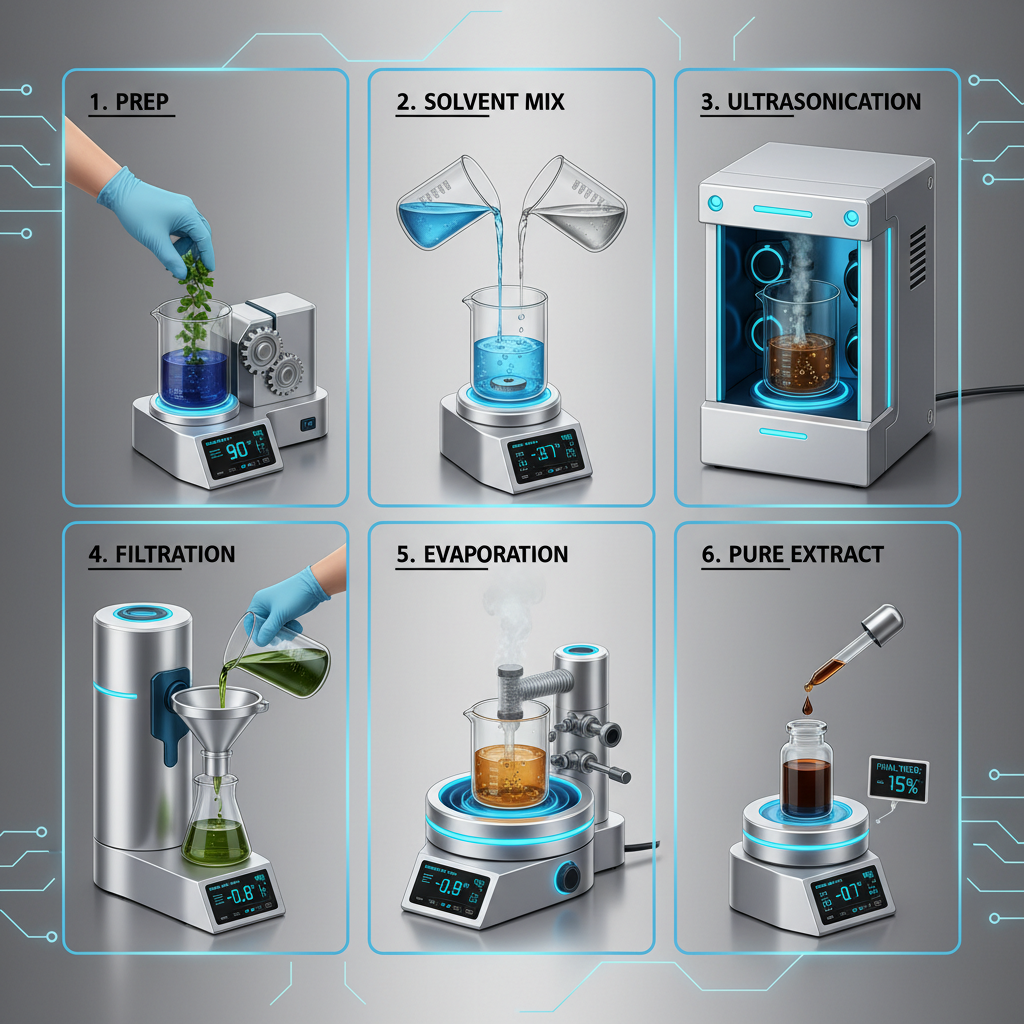
The extraction process determines the final profile of the ingredient. Solvent-based extraction using ethanol or water-ethanol mixtures is common, but the precision of the temperature and pressure during this phase is critical to prevent the thermal degradation of sensitive triterpenes.
Furthermore, the origin of the raw botanical material significantly impacts the phytochemical profile. Plants grown in specific climatic conditions of Asia often exhibit higher concentrations of bioactive markers compared to those grown in different geographical regions, making traceability essential for high-end procurement.
2Key Therapeutic Properties and Bioactive Markers
The efficacy of Centella Asiatica extract is rooted in its ability to enhance the skin's natural healing process. The bioactive markers promote the migration of fibroblasts and increase the production of glycosaminoglycans, which are vital for maintaining skin hydration and elasticity. This makes it a primary choice for anti-aging and scar-reduction products.
Beyond skincare, the extract is utilized in nutraceuticals for its potential neuroprotective and cognitive-enhancing properties. The presence of specific saponins helps in reducing oxidative stress within the nervous system, which is why it is frequently integrated into memory-support supplements.
From a technical standpoint, the interaction between these markers and cellular receptors triggers an upregulation of antioxidant enzymes, such as superoxide dismutase (SOD). This cellular response helps neutralize free radicals, protecting tissues from environmental damage and chronic inflammation.
3Industrial Applications in Cosmeceuticals and Health
In the cosmeceutical industry, Centella Asiatica extract is integrated into serums, creams, and masks. Its primary role is to soothe irritated skin and accelerate the recovery of the skin barrier. It is particularly effective in "Cica" creams, where it works in tandem with other calming agents to reduce redness and epidermal stress.
For the dietary supplement sector, the extract is often formulated into capsules or tablets. Procurement teams must decide between a full-spectrum extract, which preserves a wider range of plant metabolites, and a highly purified isolate, which is used when a precise dosage of a single active compound is required for clinical efficacy.
Additionally, the extract is increasingly found in functional beverages and wellness shots. Due to its slightly bitter natural taste, manufacturers often use microencapsulation or specific flavoring systems to mask the flavor without compromising the stability of the triterpenes.
4Comparative Performance Analysis of Extraction Methods
The method of extraction significantly alters the bioavailability and potency of the final product. Traditional solvent extraction is cost-effective but may leave trace residues. In contrast, supercritical CO2 extraction provides a cleaner, solvent-free product that preserves more heat-sensitive compounds, though it comes at a higher procurement cost.
When comparing these methods, the industry focuses on the "recovery rate" of active markers. Higher purity levels are achieved through chromatographic purification, which is essential for pharmaceutical-grade applications where a 98% purity level is often required to meet regulatory standards.
buy centella asiatica extract Performance Metrics
As shown in the metrics, standardized extracts outperform generic plant powders in terms of absorption and stability. This gap highlights why professional procurement focuses on purified extracts rather than crude botanical materials, as the latter often contains too many inert waxes and lipids that hinder skin penetration.
5Procurement Standards and Quality Evaluation
When deciding to buy centella asiatica extract, the evaluation process should begin with a rigorous audit of the supplier's quality control systems. Key parameters include heavy metal testing (lead, mercury, arsenic) and microbial limits, ensuring the material is safe for human use and compliant with international food and cosmetic safety laws.
Pesticide residue analysis is another critical factor. Since Centella Asiatica is often grown in regions with varying agricultural practices, using HPLC (High-Performance Liquid Chromatography) to verify the absence of banned pesticides is a non-negotiable requirement for high-quality sourcing.
Finally, the physical properties of the extract—such as particle size in powder form or viscosity in liquid form—must be aligned with the manufacturer's production equipment. Inconsistent particle sizes can lead to agglomeration in tablet presses or uneven distribution in emulsion creams.
6Stability Considerations and Formulation Constraints
Centella Asiatica extract is sensitive to light and high temperatures, which can lead to the oxidation of its active triterpenes. To maintain potency, the extract must be stored in airtight, amber-colored containers in a cool, dry environment. In formulation, adding antioxidants like Vitamin E can help stabilize the extract during its shelf life.
A common challenge in formulation is the solubility of the extract. While some grades are water-soluble, others require a solvent or an emulsifier to integrate properly into oil-in-water emulsions. Failure to account for this often results in precipitation or a "grainy" texture in high-end skincare products.
Furthermore, pH compatibility is essential. The extract's stability is typically optimal in a slightly acidic to neutral range (pH 5.0 to 7.0). Formulating at extreme pH levels can trigger the hydrolysis of glycosides, effectively neutralizing the biological benefits of the ingredient.
7Supplier Selection and Material Comparison
Choosing the right supplier involves balancing the cost per kilogram against the active marker concentration. A lower-priced extract may seem attractive, but if the asiaticoside content is low, the manufacturer will need to use more material to achieve the same effect, potentially increasing the total cost and affecting the product's sensory profile.
Comparing different grades of extract allows procurement teams to match the material to the specific product goal. For a luxury anti-aging cream, a 98% purity isolate is preferred; for a general wellness supplement, a standardized 10% extract may be sufficient and more cost-effective.
| Extract Grade | Primary Use | Active Marker Level | Solubility |
|---|---|---|---|
| Crude Powder | Budget Supplements | Low ( | Poor |
| Standardized (10%) | General Wellness | Moderate (10%) | Partial |
| Purified (40-60%) | Dermo-cosmetics | High (40%+) | Good |
| Ultra-Pure (98%) | Pharmaceuticals | Very High (98%) | Excellent |
| Liposomal Grade | High-end Serums | Variable | Superior |
| CWS Powder | Beverages/Powders | Moderate | Cold Water Soluble |
Ultimately, the decision to buy centella asiatica extract from a specific partner should be based on their ability to provide consistent technical documentation and a stable supply chain. Reliable partners provide not just the raw material, but the technical support needed to optimize its integration into the final formulation.
Frequently Asked Questions
Conclusion
Sourcing high-quality Centella Asiatica extract requires a technical approach that prioritizes the standardization of bioactive markers over mere price points. By focusing on purity, solubility, and stability, manufacturers can create products that deliver genuine regenerative and anti-inflammatory benefits to the end user. Whether for high-end cosmeceuticals or health supplements, the key to success lies in rigorous supplier auditing and precise formulation.
For procurement teams and product developers evaluating suitable raw material solutions, detailed product specifications and quality certifications can be reviewed at www.finutra.com to ensure the highest standards of botanical purity and efficacy.