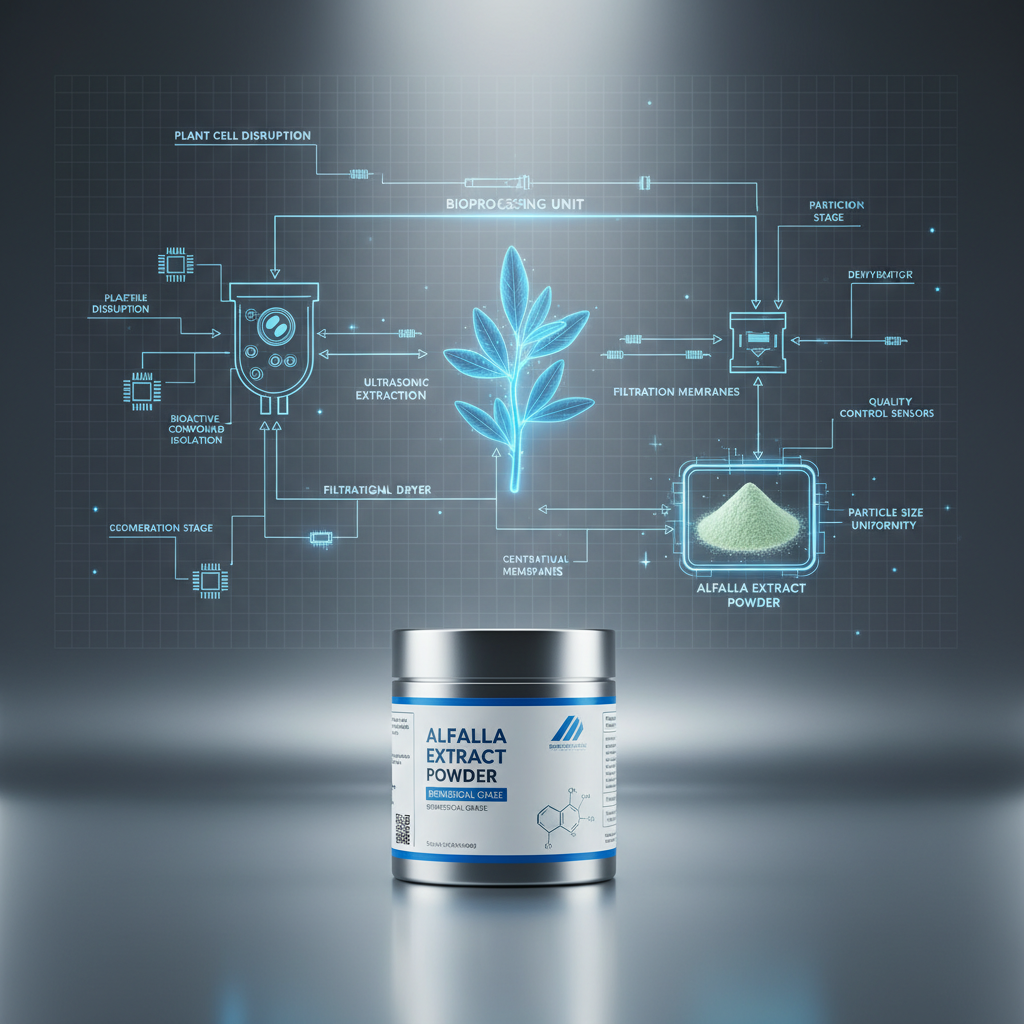
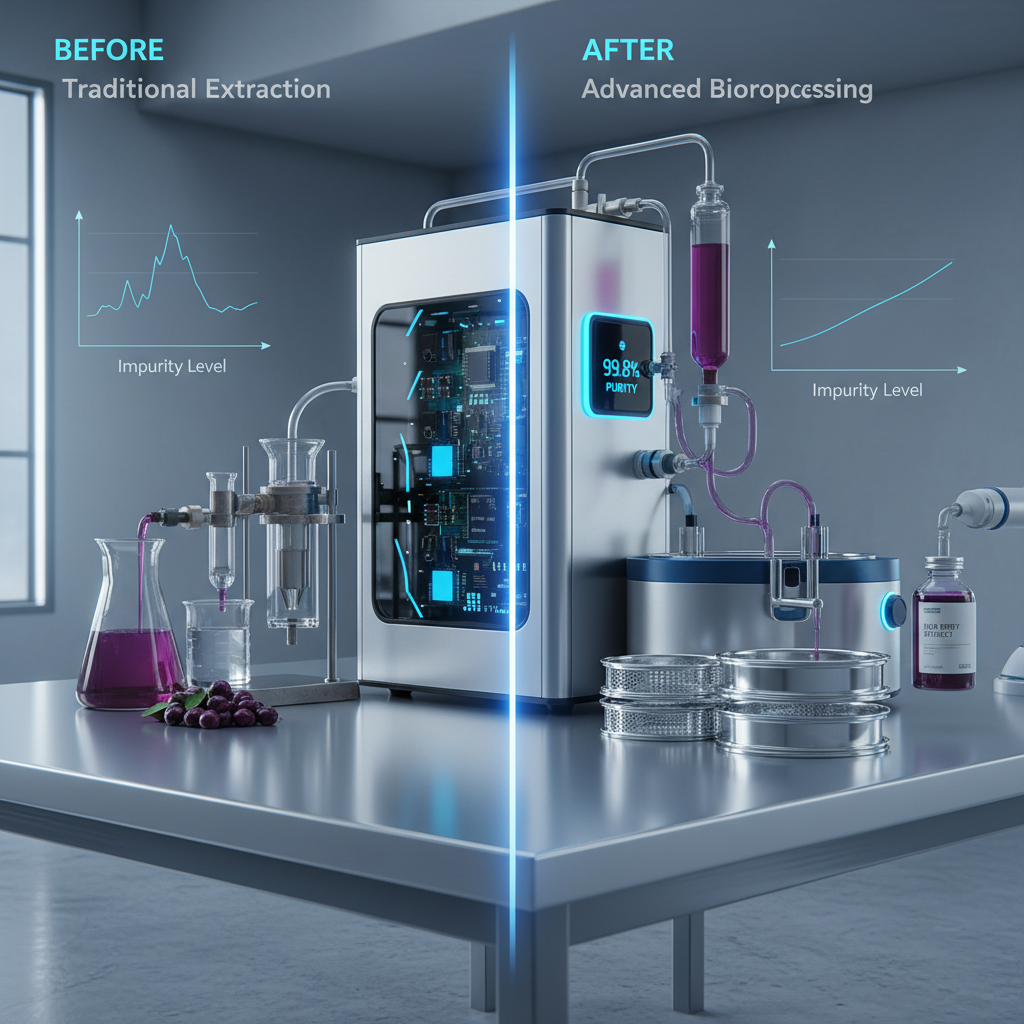
Herb extraction, the process of separating and concentrating desired phytochemicals from plant material, is a cornerstone of numerous industries globally. From pharmaceuticals and nutraceuticals to cosmetics and food production, the demand for high-quality herbal extracts is constantly rising. This isn’t merely a commercial trend; it reflects a growing global awareness of the potential health benefits offered by natural compounds and a shift towards more sustainable and holistic wellness approaches. Understanding the nuances of herb extraction is therefore crucial for professionals across diverse fields.
The global herbal extract market is projected to reach significant heights in the coming years, driven by factors such as increasing consumer preference for natural products, rising healthcare expenditure, and advancements in extraction technologies. According to recent reports, the market is witnessing a compound annual growth rate (CAGR) exceeding 8%, demonstrating its robust potential. This burgeoning market necessitates a comprehensive understanding of efficient, safe, and environmentally responsible extraction methods.
Moreover, the accessibility of traditional medicinal knowledge and the need for drug discovery in emerging economies are fueling the demand for standardized and effective herbal extracts. Herb extraction is not just a scientific process; it’s a vital link between ancient wisdom and modern therapeutic solutions, bridging cultural traditions with contemporary healthcare needs.


Herb extraction is a multi-faceted process requiring careful consideration of plant source, extraction solvent, and subsequent purification techniques. The selection of an appropriate method is paramount, as it directly impacts the yield, purity, and bioactivity of the resulting extract. Understanding the interplay between these factors is crucial for achieving optimal results.
The increasing demand for natural products underscores the importance of refining herb extraction techniques. Sustainable harvesting practices, coupled with innovative extraction methods, are essential to ensure the long-term availability and quality of herbal resources while minimizing environmental impact.
Supercritical Fluid Extraction (SFE) using carbon dioxide is widely considered the most environmentally friendly method for herb extraction. CO2 is a non-toxic, readily available, and recyclable solvent. It leaves no harmful residues and operates at relatively low temperatures, preserving the integrity of delicate phytochemicals. Although the initial investment can be higher, SFE offers a sustainable and clean extraction solution, minimizing environmental impact. The solvent can also be easily removed, leaving a pure and safe extract.
The plant source significantly influences the quality of the herbal extract. Factors such as genetic variation within the plant species, geographical location, growing conditions (soil composition, climate, sunlight), harvest time, and post-harvest handling all play a crucial role. These factors can affect the concentration of active compounds, the presence of contaminants, and the overall therapeutic efficacy of the extract. Consistent sourcing from reputable suppliers employing standardized cultivation and harvesting practices is crucial.
Choosing the right solvent is paramount for efficient herb extraction. Key considerations include the solubility of target compounds, safety profile, cost, environmental impact, and ease of removal. Common solvents include water, ethanol, methanol, hexane, and supercritical CO2. Polar compounds are best extracted with polar solvents like water and ethanol, while non-polar compounds require non-polar solvents like hexane. Regulations concerning solvent residues in the final product must also be taken into account.
Temperature plays a critical role in herb extraction, influencing both solubility and reaction rates. Higher temperatures generally increase solubility, leading to more efficient extraction. However, excessive heat can degrade heat-sensitive phytochemicals. Therefore, optimizing the temperature is crucial, balancing extraction efficiency with the preservation of bioactive compounds. Some techniques, like cold extraction, intentionally use low temperatures to minimize degradation.
Ensuring authenticity and purity requires a multi-faceted approach. This includes sourcing from trusted suppliers with robust quality control systems, employing advanced analytical techniques like HPLC-MS for compound identification and quantification, and performing tests for contaminants like heavy metals, pesticides, and microbial pathogens. Certification by independent organizations can also provide assurance of quality and authenticity. Proper documentation throughout the extraction process is essential.
Maceration involves soaking the plant material in a solvent for a prolonged period, allowing the phytochemicals to diffuse into the solvent. It's a simple and cost-effective method, but can be slow and inefficient. Percolation, on the other hand, involves slowly passing the solvent through a column of plant material. This continuous flow of solvent leads to more efficient extraction and can yield higher concentrations of active compounds. Percolation generally requires more specialized equipment than maceration.
Herb extraction is a vital process underpinning numerous industries, from pharmaceuticals to cosmetics. Understanding the core components – solvent selection, extraction techniques, pre-treatment methods, and purification processes – is critical for maximizing yield, ensuring purity, and achieving sustainable practices. The evolution of herb extraction towards more efficient, environmentally friendly, and technologically advanced methods is crucial for meeting the growing global demand for natural products.
Looking ahead, continued innovation in extraction technologies, coupled with a commitment to sustainable sourcing and quality control, will solidify the role of herb extraction in a healthier and more sustainable future. We encourage you to explore the potential of optimized herb extraction processes for your specific application. Visit our website at Finutra to learn more about our expertise in herb extraction solutions.