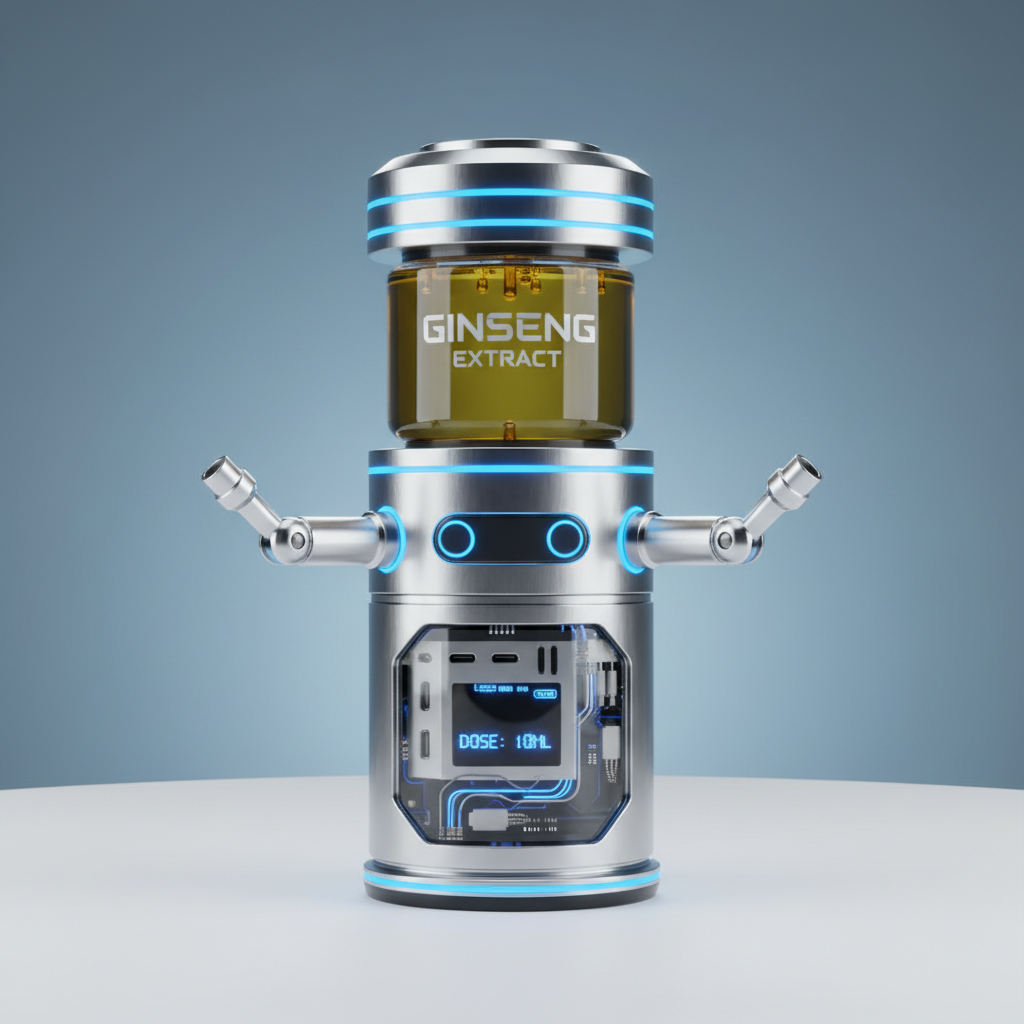
Herbal extract companies are at the forefront of a growing global demand for natural health products, dietary supplements, and ingredients for various industries like pharmaceuticals, cosmetics, and food & beverage. This surge in popularity is driven by increasing consumer awareness of the potential benefits of plant-based remedies and a desire to move away from synthetic alternatives. Understanding the nuances of these companies – their sourcing, extraction methods, quality control, and regulatory compliance – is crucial for both businesses and consumers navigating this complex landscape.
The market for herbal extracts is experiencing substantial growth, projected to reach billions of dollars in the coming years. This expansion is fueled by scientific research validating traditional uses of herbs, combined with innovation in extraction technologies that enhance bioavailability and efficacy. However, concerns regarding adulteration, sustainability of sourcing, and inconsistent quality standards present significant challenges that responsible herbal extract companies must address.
These companies are pivotal in bridging the gap between traditional botanical knowledge and modern scientific applications. Their success hinges on a commitment to rigorous quality assurance, sustainable sourcing practices, and transparent supply chains. As the demand continues to rise, the role of these organizations in promoting health, wellness, and a more sustainable future becomes increasingly important.
Introduction to herbal extract companies
The field of herbal extract companies encompasses a diverse range of businesses dedicated to the sourcing, processing, and distribution of concentrated plant compounds. These extracts serve as vital ingredients in various industries, including pharmaceuticals, nutraceuticals, cosmetics, and food supplements. The efficacy and safety of these extracts rely heavily on the meticulous processes employed by these companies.
Successful herbal extract companies prioritize sustainable sourcing, advanced extraction technologies, and rigorous quality control measures. They are committed to providing high-quality, standardized extracts that meet the evolving needs of their customers and comply with stringent regulatory requirements. This commitment builds trust and ensures product integrity in a competitive market.
Defining Herbal Extract Companies
Herbal extract companies are businesses specializing in the concentrated forms of plant compounds derived from various botanical sources. They don't simply sell raw herbs; they utilize sophisticated methods to isolate specific active constituents – the compounds believed to be responsible for a plant’s therapeutic properties. This process typically involves extraction using solvents (like water, ethanol, or supercritical CO2), followed by purification and standardization.
These companies play a crucial role in translating traditional herbal medicine into modern, scientifically validated applications. They supply ingredients to manufacturers producing everything from dietary supplements and herbal teas to pharmaceutical drugs and cosmetic products. Herbal extract companies often invest heavily in research and development to identify novel extracts and optimize extraction processes.
The connection to modern industry is strong. Without these specialized companies, access to consistent, potent, and standardized herbal ingredients would be severely limited, hindering the development of innovative health and wellness products. They are integral to a growing consumer market demanding natural and sustainable solutions.
Core Components of Successful Companies
Several key factors distinguish leading herbal extract companies. Firstly, sustainable sourcing is paramount. This involves establishing ethical and environmentally responsible relationships with growers and harvesters, ensuring the long-term availability of raw materials. Secondly, advanced extraction technologies are essential for maximizing yield and purity while minimizing environmental impact. Supercritical CO2 extraction is a prime example.
Thirdly, rigorous quality control is non-negotiable. This includes comprehensive testing for purity, potency, and contaminants (heavy metals, pesticides, microbial load). Companies must adhere to Good Manufacturing Practices (GMP) and often seek certifications like ISO 9001. Fourthly, regulatory compliance is critical, navigating the complex landscape of international regulations concerning herbal products.
Finally, research and development drive innovation and allow companies to stay ahead of the curve. Investing in scientific studies to validate the efficacy and safety of extracts, as well as exploring new extraction methods, is vital for long-term success. A commitment to these core components positions herbal extract companies for sustained growth and market leadership.
Global Applications and Use Cases
Herbal extracts find diverse applications worldwide. In the pharmaceutical industry, they serve as starting materials for drug development, with many modern medications originating from plant-derived compounds. In nutraceuticals, extracts are incorporated into dietary supplements targeting various health concerns, from immune support to cognitive function.
The cosmetic industry utilizes herbal extracts for their antioxidant, anti-inflammatory, and skin-rejuvenating properties in products like creams, lotions, and serums. In the food and beverage sector, extracts are used as natural flavoring agents, colorants, and preservatives. For instance, rosemary extract is widely used as a natural antioxidant in food processing.
Regions with a strong tradition of herbal medicine, such as Asia and South America, represent significant markets for herbal extracts. Increasingly, developed countries are also witnessing a surge in demand, driven by consumer interest in natural and holistic wellness solutions.
Comparative Analysis of Extraction Methods for Herbal Extract Companies
Advantages and Long-Term Value
The advantages of sourcing from reputable herbal extract companies are multifaceted. Cost-effectiveness is achieved through optimized extraction processes and economies of scale. Sustainability is ensured through responsible sourcing practices that protect biodiversity and support local communities. The social impact is positive, promoting fair trade and ethical business practices.
Long-term value stems from the reliability of supply, consistent product quality, and adherence to rigorous standards. These factors build trust with customers and foster long-term partnerships. Furthermore, investing in innovative extraction technologies enhances product efficacy and opens doors to new market opportunities.
Future Trends and Innovations
The future of herbal extract companies is poised for significant innovation. Green extraction technologies, such as ultrasonic-assisted extraction and microwave-assisted extraction, are gaining traction due to their reduced solvent consumption and energy efficiency. Digital transformation is streamlining supply chain management and enhancing traceability.
Automation in extraction and quality control processes will improve efficiency and reduce human error. Furthermore, advancements in analytical techniques, such as metabolomics and genomics, will enable a deeper understanding of the bioactive compounds in herbs and their therapeutic potential. A focus on personalized nutrition and targeted herbal formulations will drive future product development.
Challenges and Solutions in the Industry
The herbal extract industry faces challenges including adulteration, inconsistencies in raw material quality, and navigating complex regulatory landscapes. Establishing robust traceability systems, utilizing advanced analytical techniques for quality control, and advocating for harmonized international regulations are crucial solutions.
Another challenge is ensuring sustainable sourcing practices, particularly for rare or endangered medicinal plants. Investing in cultivation programs, promoting responsible harvesting techniques, and supporting conservation efforts are essential for safeguarding biodiversity. Collaboration between herbal extract companies, researchers, and regulatory agencies is vital for addressing these challenges effectively.
Ultimately, transparency and ethical practices are key to building consumer trust and fostering a sustainable future for the industry.
Summary of Key Challenges and Potential Solutions for Herbal Extract Companies
| Challenge |
Impact on Companies |
Potential Solutions |
Implementation Cost (1-10) |
| Adulteration of Raw Materials |
Reduced product quality, legal liabilities |
Advanced analytical testing, supplier audits |
7 |
| Inconsistent Raw Material Quality |
Batch-to-batch variations, reduced efficacy |
Standardized extraction procedures, controlled cultivation |
6 |
| Complex Regulatory Requirements |
Increased compliance costs, market access barriers |
Regulatory consulting, documentation management |
8 |
| Sustainable Sourcing Challenges |
Environmental impact, supply chain disruptions |
Ethical sourcing policies, cultivation programs |
5 |
| Lack of Transparency in Supply Chains |
Difficulty tracing origin, increased risk of fraud |
Blockchain technology, traceability systems |
9 |
| Limited Consumer Awareness |
Difficulty differentiating quality products |
Consumer education campaigns, clear labeling |
4 |
FAQS
A high-quality herbal extract company prioritizes sustainable sourcing, employs advanced extraction technologies, and maintains rigorous quality control standards. They typically have certifications like GMP and ISO 9001, conduct comprehensive testing for purity and potency, and offer transparent traceability of their raw materials. Their commitment extends to ethical practices and environmental responsibility, ensuring consistent product quality and efficacy.
Standardization is critically important. It refers to ensuring that each batch of an extract contains a consistent level of the active compounds responsible for its therapeutic effects. Without standardization, the potency of an extract can vary significantly, leading to unpredictable results. Reputable companies standardize their extracts to guarantee consistent quality and efficacy for consumers.
Sustainability is increasingly vital. Many medicinal plants are at risk due to overharvesting and habitat destruction. Sustainable sourcing practices – like supporting cultivation programs, promoting responsible wildcrafting, and protecting biodiversity – are essential for ensuring the long-term availability of these resources. Consumers are also demanding more sustainable products.
Common methods include ethanol extraction, water extraction, supercritical CO2 extraction, maceration, and percolation. Each method has its advantages and disadvantages regarding yield, purity, and environmental impact. Supercritical CO2 extraction is often favored for its clean, solvent-free process, while ethanol extraction is widely used for its efficiency and versatility.
Look for products that have been third-party tested for purity and potency. Check for certifications like USP, NSF International, or ConsumerLab.com. Research the company's sourcing practices and manufacturing processes. Transparency and a commitment to quality are key indicators of a reliable brand.
Future trends include the adoption of green extraction technologies, increased use of automation, the implementation of blockchain for supply chain traceability, and a growing focus on personalized herbal formulations based on individual needs. Advancements in analytical techniques will also play a crucial role in identifying and quantifying bioactive compounds.
Conclusion
In conclusion, herbal extract companies are pivotal players in the global health and wellness landscape. Their dedication to sustainable sourcing, innovative extraction technologies, and rigorous quality control is essential for delivering safe, effective, and reliable products. Understanding the core components of successful companies and the challenges they face is crucial for both consumers and industry professionals.
Looking ahead, the future of these companies hinges on embracing green technologies, promoting transparency, and fostering collaboration to address emerging challenges. By prioritizing sustainability, innovation, and ethical practices, herbal extract companies can continue to contribute to a healthier and more sustainable future. Visit our website today to learn more!