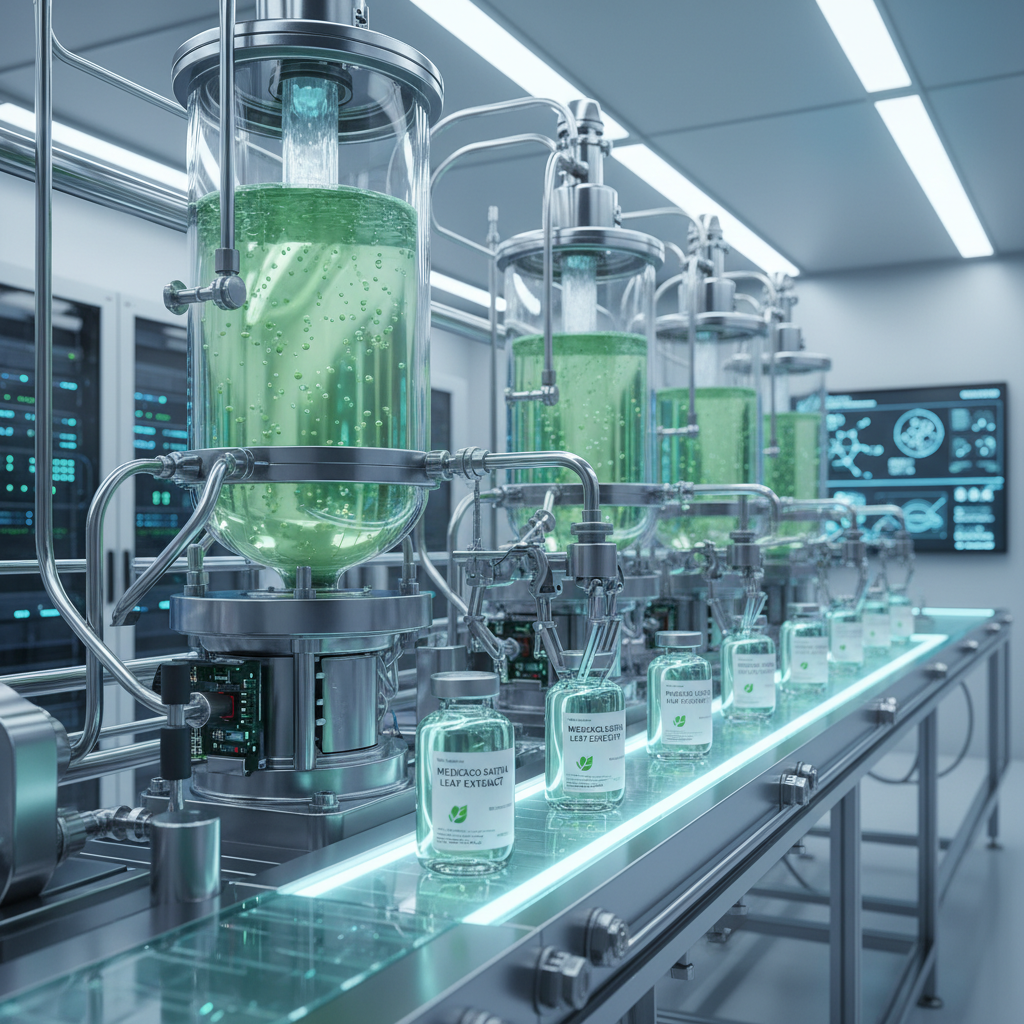
The process of learning how to make a plant extract is becoming increasingly vital across diverse industries, from pharmaceuticals and cosmetics to food and agriculture. Understanding the principles and methods behind plant extraction allows for the sustainable utilization of natural resources, unlocking potent compounds for various applications. As global demand for natural products rises, the ability to efficiently and effectively extract these valuable components is paramount, driving innovation and economic growth. This knowledge empowers researchers, manufacturers, and even individuals to harness the power of nature for improved health, wellness, and sustainability.
The importance of mastering how to make a plant extract extends beyond commercial applications. It plays a critical role in preserving traditional knowledge, fostering biodiversity, and empowering local communities. Many indigenous cultures have centuries-old expertise in plant-based medicine, and documenting and validating these practices through scientific extraction methods is essential for safeguarding this cultural heritage. Moreover, developing accessible extraction techniques can enable self-sufficiency in resource-limited settings, providing communities with locally sourced remedies and economic opportunities.
In a world facing increasing environmental challenges, how to make a plant extract responsibly and sustainably is not just a skill but a necessity. It’s about finding a balance between utilizing nature’s gifts and protecting our planet for future generations, paving the way for a more holistic and environmentally conscious approach to product development and healthcare.
Introduction to Making Plant Extracts
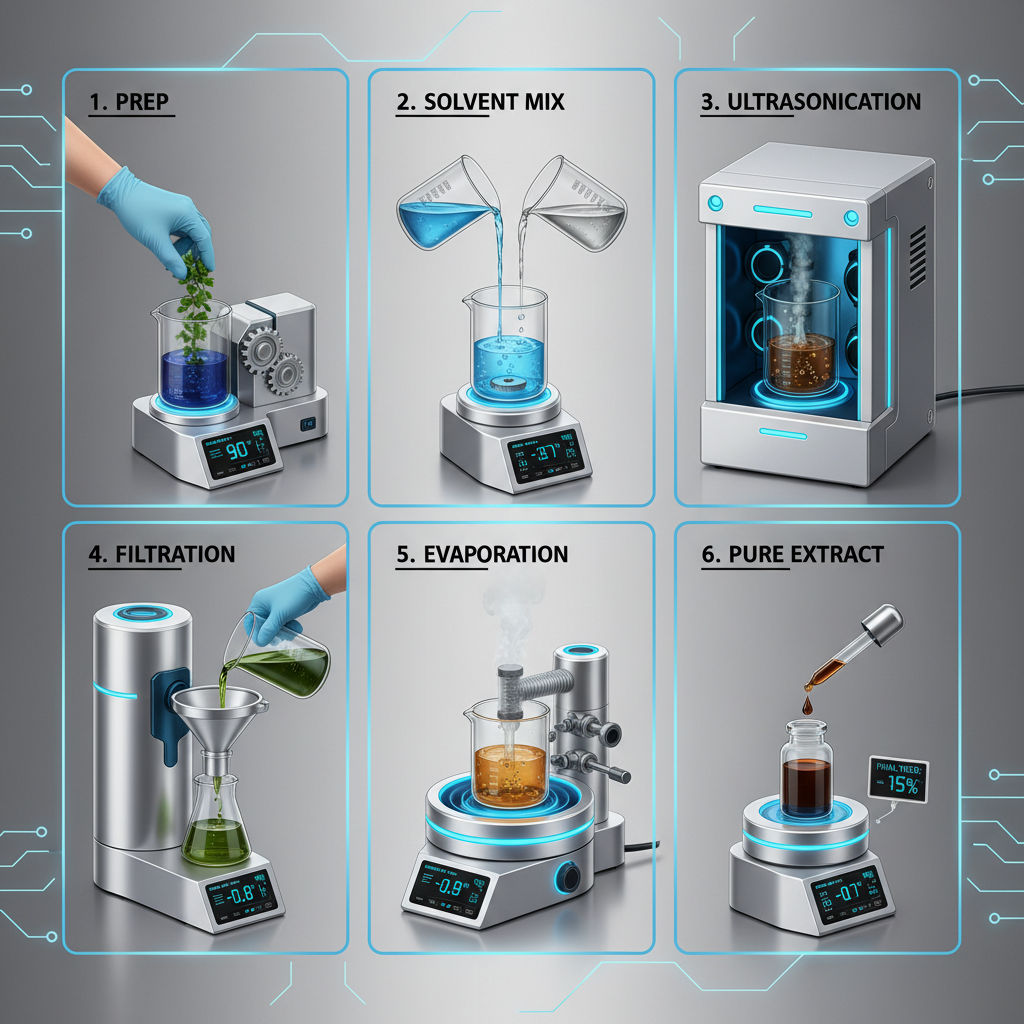
The fundamental process of how to make a plant extract involves separating the desired chemical compounds from the plant material. This is achieved by using various solvents, temperatures, and techniques, each influencing the yield and purity of the final extract. Understanding the plant’s chemical composition and the properties of the target compounds is crucial for selecting the optimal extraction method.
Different extraction methods, such as maceration, percolation, and sonication, all rely on the principle of solubility. Choosing the right method depends on the characteristics of the plant material, the stability of the target compounds, and the desired scale of production. The selection of solvent is equally important, ranging from water and ethanol to more specialized organic solvents, each with its own advantages and disadvantages regarding effectiveness, safety, and environmental impact.
Defining Plant Extraction
Plant extraction, at its core, is the process of isolating valuable compounds from plant tissues. These compounds, known as phytochemicals, can include alkaloids, flavonoids, terpenes, and many others, each possessing unique properties. This process is foundational to numerous industries, providing ingredients for pharmaceuticals, nutraceuticals, cosmetics, and even food additives.
The connection to modern industry is undeniable; the global botanical extract market is a multi-billion dollar industry, continuously driven by consumer demand for natural and sustainable products. Pharmaceutical companies rely on plant extracts for developing novel drugs, while the cosmetics industry utilizes them for their antioxidant, anti-inflammatory, and skin-nourishing properties.
Beyond commercial applications, plant extraction plays a crucial role in humanitarian needs. Traditional medicine systems around the world depend heavily on plant-derived remedies, and understanding how to make a plant extract can ensure the sustainable and quality-controlled production of essential medicines in resource-limited settings.
Core Components of Effective Extraction
Several key factors determine the success of how to make a plant extract. These include solvent selection, temperature control, extraction time, and the ratio of plant material to solvent. Each of these parameters interacts with the others, influencing the yield, purity, and quality of the resulting extract. A systematic approach to optimization is often required to achieve the best results.
Solvent polarity is particularly crucial. "Like dissolves like" is a fundamental principle - polar solvents (like water or ethanol) are more effective at extracting polar compounds, while non-polar solvents (like hexane) are better for extracting non-polar compounds. Understanding the polarity of the target phytochemicals is essential for choosing the appropriate solvent. Furthermore, environmental considerations and regulatory compliance increasingly favor the use of more sustainable and less toxic solvents.
Pre-treatment of the plant material, such as drying, grinding, or cell disruption, can also significantly enhance extraction efficiency. These steps increase the surface area available for solvent penetration and release the target compounds from the plant tissues. Optimizing these pre-treatment methods can lead to substantial improvements in extract yield.
Global Applications of Plant Extracts
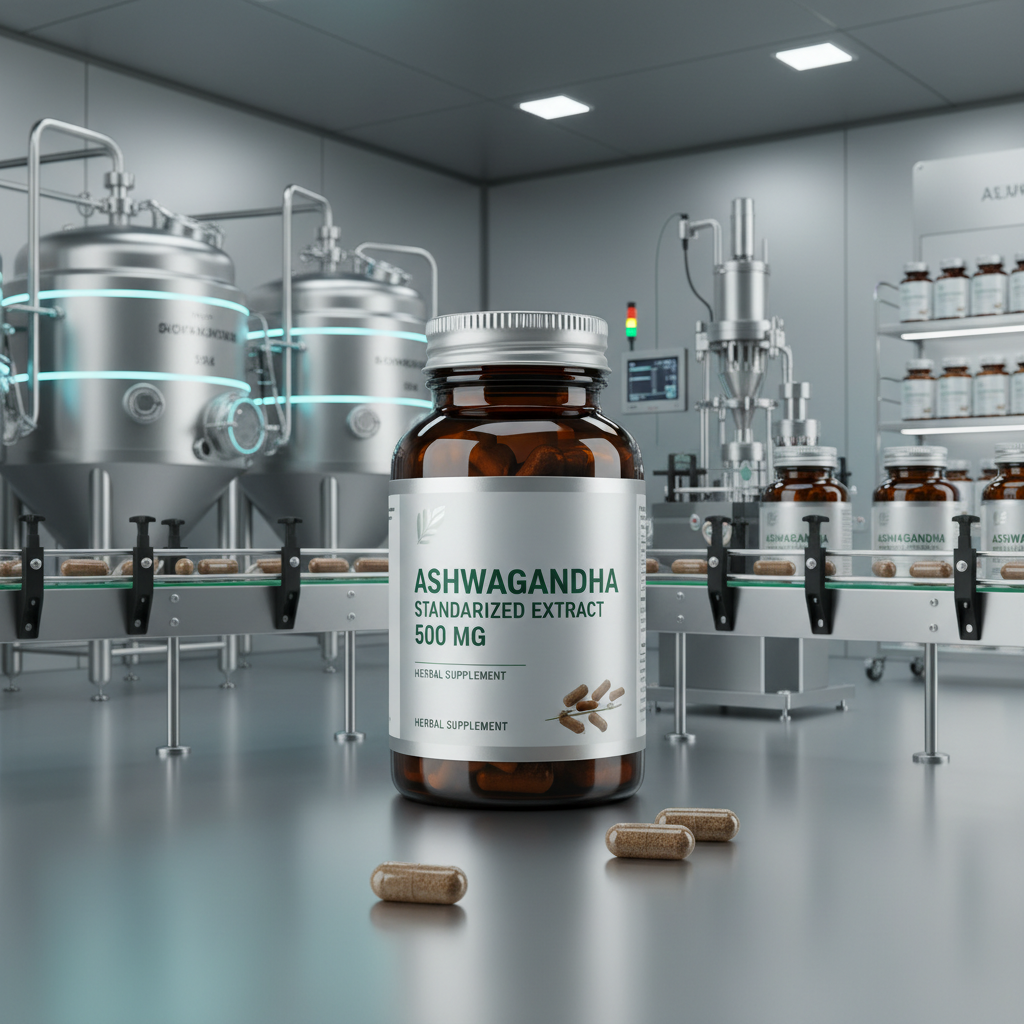
How to make a plant extract is vital across the globe, impacting diverse industries. In the pharmaceutical sector, plant extracts form the basis of many traditional medicines and are increasingly explored for the development of novel drugs. The nutraceutical industry utilizes extracts for dietary supplements, promoting health and wellness.
The cosmetic industry heavily relies on plant extracts for their antioxidant, anti-inflammatory, and skin-rejuvenating properties. These extracts are incorporated into creams, lotions, and serums, catering to the growing demand for natural skincare products. Agricultural applications are also emerging, with plant extracts used as biopesticides and biofertilizers, promoting sustainable farming practices.
For instance, in post-disaster relief operations, locally sourced plant extracts can provide crucial medicinal support when access to conventional healthcare is limited. In remote industrial zones, the ability to extract valuable compounds from local flora can create economic opportunities and foster self-sufficiency. Organizations like the World Health Organization (WHO) actively promote the sustainable use of medicinal plants, recognizing their importance in global health.
Efficiency of how to make a plant extract Methods
Advantages and Long-Term Value
The advantages of mastering how to make a plant extract are multifaceted. From a cost perspective, utilizing locally sourced plant materials can significantly reduce production expenses compared to relying on synthetic alternatives. Sustainability is another key benefit, as it promotes responsible resource management and minimizes environmental impact.
Socially, this skill empowers communities by fostering local economies and preserving traditional knowledge. Reliability is enhanced by reducing dependence on external supply chains, ensuring a consistent source of valuable compounds. The ability to produce high-quality plant extracts builds trust with consumers and stakeholders, establishing a reputation for excellence and sustainability.
Future Trends in Plant Extraction
Future innovations in how to make a plant extract are centered around green technologies and automation. Supercritical fluid extraction (SFE) using carbon dioxide is gaining traction as a sustainable and efficient alternative to traditional solvent extraction. Microwave-assisted extraction (MAE) and ultrasound-assisted extraction (UAE) are also becoming increasingly popular due to their speed and reduced energy consumption.
Digital transformation plays a role, with advancements in process monitoring, data analysis, and artificial intelligence optimizing extraction parameters and predicting yields. The development of novel solvents derived from renewable sources, like deep eutectic solvents (DES), promises further improvements in sustainability and efficiency.
Challenges and Innovative Solutions
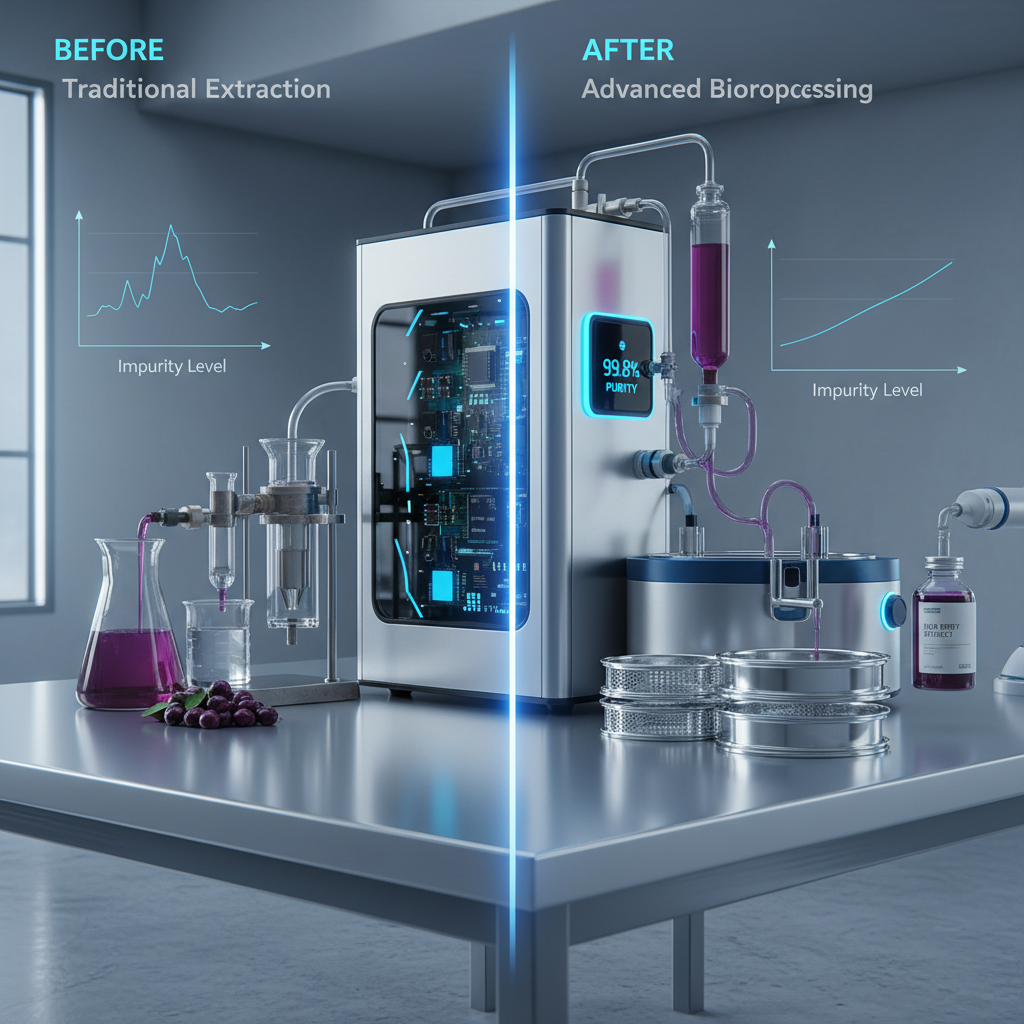
Current challenges in how to make a plant extract include the variability in plant material composition, the potential for solvent residues in the final extract, and the scalability of certain extraction methods. Ensuring consistent quality and purity across batches is a persistent concern.
Innovative solutions involve implementing robust quality control measures, optimizing pre-treatment processes to minimize variability, and developing closed-loop extraction systems to recover and recycle solvents. The integration of advanced analytical techniques, such as chromatography and mass spectrometry, provides more precise monitoring of extract composition and purity.
Furthermore, research into biorefinery concepts, where all components of the plant material are utilized, minimizes waste and maximizes resource efficiency, offering a holistic approach to sustainable extraction practices.
Summary of Challenges and Solutions in Plant Extraction
| Challenge |
Impact on Extraction |
Proposed Solution |
Implementation Level |
| Plant Material Variability |
Inconsistent Extract Quality |
Standardized Pre-treatment Procedures |
Medium |
| Solvent Residues |
Safety Concerns, Regulatory Issues |
Closed-Loop Extraction Systems |
High |
| Scalability Limitations |
Difficulty in Large-Scale Production |
Optimized Continuous Extraction Processes |
Medium |
| Extraction Efficiency |
Low Yields, Increased Costs |
Utilizing Advanced Techniques (MAE, SFE) |
High |
| Environmental Impact |
Use of Harmful Solvents |
Switching to Green Solvents (DES) |
Medium |
| Quality Control |
Lack of standardized protocols |
Implementing Advanced Analytical Techniques |
High |
FAQS
The most common solvents include water, ethanol, methanol, hexane, and ethyl acetate. The choice depends on the polarity of the target compounds. Water is safe and inexpensive but may not extract non-polar compounds effectively. Ethanol is widely used due to its relatively low toxicity and good solvent properties. Hexane is effective for non-polar compounds but is a petroleum-derived solvent with environmental concerns.
Temperature significantly impacts extraction efficiency. Generally, increasing the temperature enhances solubility and diffusion rates, leading to higher yields. However, excessive heat can degrade heat-sensitive compounds. Optimizing the temperature is crucial – finding a balance between maximizing solubility and preserving the integrity of the desired phytochemicals. Controlled heating techniques, such as water baths, are often employed.
Supercritical fluid extraction (SFE) uses a substance, typically carbon dioxide, above its critical temperature and pressure. In this state, it exhibits properties of both a liquid and a gas, allowing it to penetrate plant material effectively. SFE offers several advantages, including non-toxicity, environmental friendliness, and tunable selectivity by adjusting pressure and temperature.
Ensuring quality involves rigorous quality control measures throughout the process. This includes using authenticated plant materials, optimizing extraction parameters, and employing advanced analytical techniques like HPLC, GC-MS, and spectrophotometry to identify and quantify the target compounds. Solvent residue analysis is also essential to ensure safety and compliance with regulatory standards.
Pre-treatment methods like drying, grinding, and cell disruption are vital for improving extraction efficiency. Drying reduces moisture content, preventing microbial growth and facilitating solvent penetration. Grinding increases the surface area of the plant material, enhancing solvent contact. Cell disruption techniques, such as sonication or enzymatic treatment, break down cell walls, releasing intracellular compounds.
Sustainability can be improved by using green solvents like ethanol or supercritical carbon dioxide, implementing closed-loop extraction systems to recycle solvents, utilizing renewable energy sources for heating and cooling, and adopting biorefinery approaches that maximize the utilization of all plant components. Additionally, sourcing plant materials from sustainable and ethical sources is crucial.
Conclusion
Mastering how to make a plant extract is a complex yet rewarding endeavor with significant implications for various industries and global well-being. From pharmaceuticals and cosmetics to agriculture and traditional medicine, the ability to sustainably and effectively extract valuable compounds from plants is becoming increasingly crucial. Understanding the core principles, utilizing advanced technologies, and embracing sustainable practices are essential for unlocking the full potential of plant-based resources.
Looking ahead, continued innovation in extraction techniques, coupled with a growing emphasis on green chemistry and responsible sourcing, will pave the way for a more sustainable and equitable future. By embracing these advancements, we can harness the power of nature to address critical challenges in healthcare, environmental protection, and economic development. Visit our website at www.finutra.com to learn more about our expertise in plant extraction and related services.