Herbal extract manufacturers are at the forefront of a rapidly expanding global industry, driven by increasing consumer demand for natural health products, functional foods, and botanical ingredients. The market, estimated at billions of dollars annually, is fueled by a growing awareness of the health benefits associated with plant-derived compounds and a shift away from synthetic alternatives. Understanding the nuances of this sector – from sourcing and extraction technologies to quality control and regulatory compliance – is crucial for businesses and consumers alike.
This industry isn’t simply about producing ingredients; it’s about bridging traditional knowledge with modern science. The global trade in herbal extracts impacts diverse communities, from farmers cultivating medicinal plants in developing nations to researchers developing innovative applications in pharmaceutical and cosmetic industries. Successfully navigating this landscape requires a commitment to sustainability, ethical sourcing, and rigorous scientific validation.
The increasing demand for herbal extracts has created opportunities for specialized herbal extract manufacturers to emerge, focusing on specific extraction techniques, plant species, or target markets. This specialization, coupled with stringent quality standards, allows these manufacturers to provide tailored solutions for various industries and ultimately contribute to a healthier and more sustainable future.
The Global Significance of Herbal Extract Manufacturers
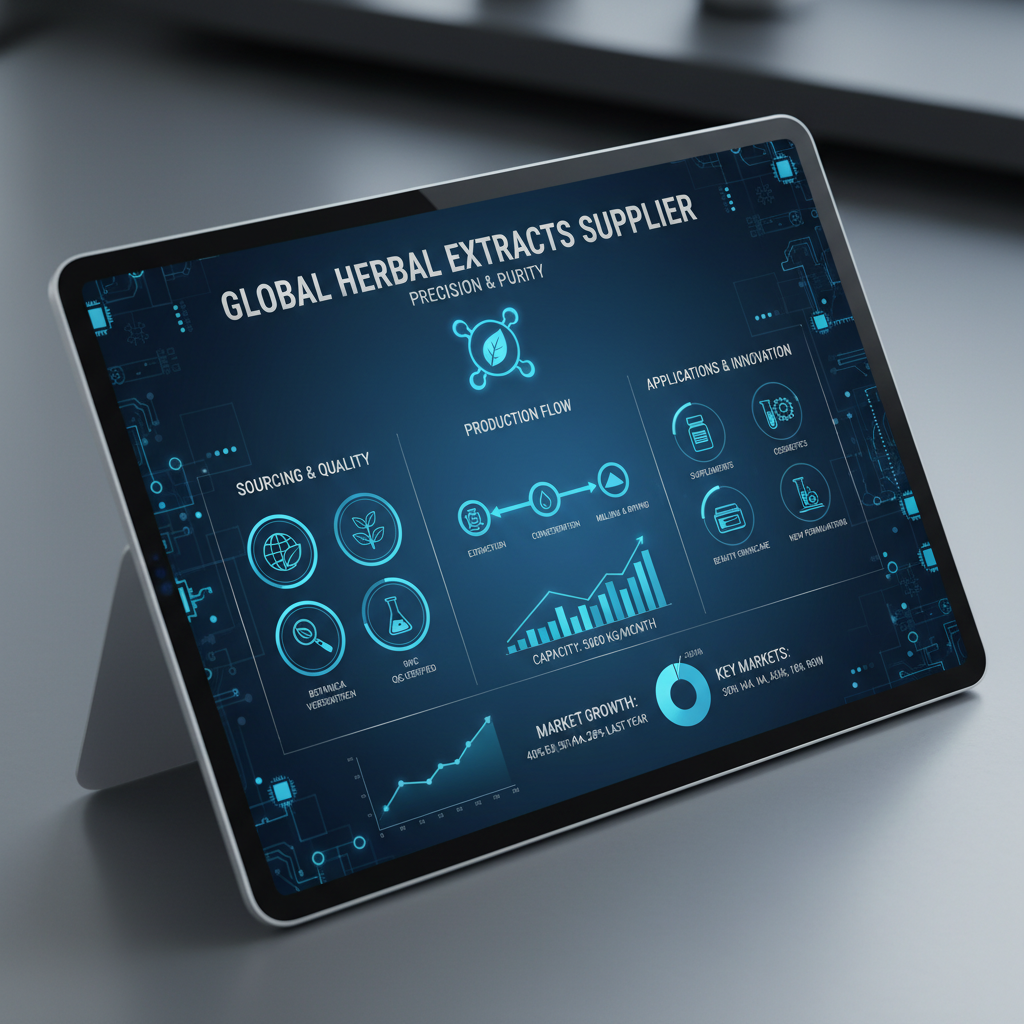
The global herbal extract market is a multi-billion dollar industry, with projections indicating continued growth. According to a 2023 report by Grand View Research, the market size was valued at USD 16.41 billion and is expected to expand at a compound annual growth rate (CAGR) of 8.2% from 2024 to 2030. This growth is driven by factors like increasing demand for natural products, rising healthcare expenditures, and growing awareness of the health benefits associated with botanical ingredients.
Herbal extract manufacturers play a critical role in this global supply chain. They are responsible for transforming raw plant material into standardized, high-quality extracts suitable for a diverse range of applications. Without efficient and reliable manufacturing, the burgeoning demand for herbal remedies and natural ingredients couldn’t be met, posing a challenge to the availability of vital healthcare solutions.
Defining Herbal Extract Manufacturers
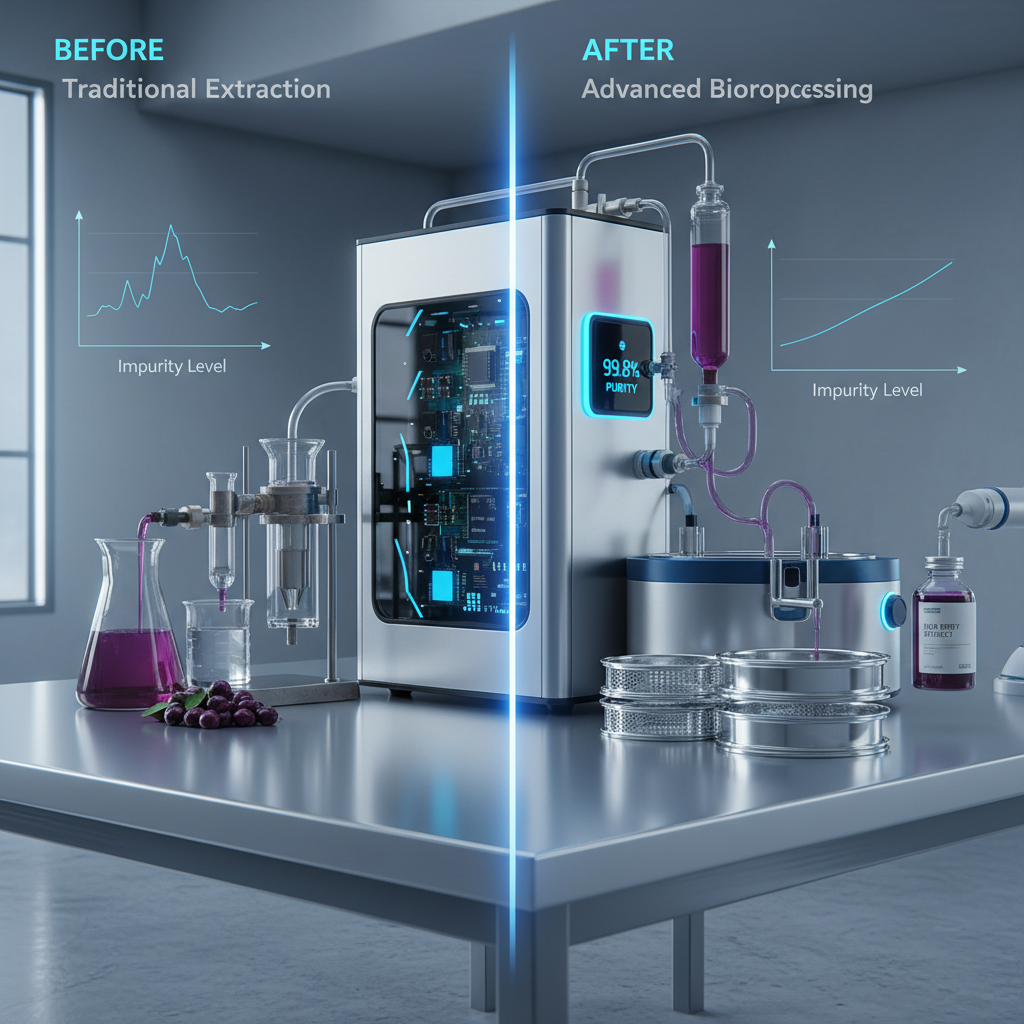
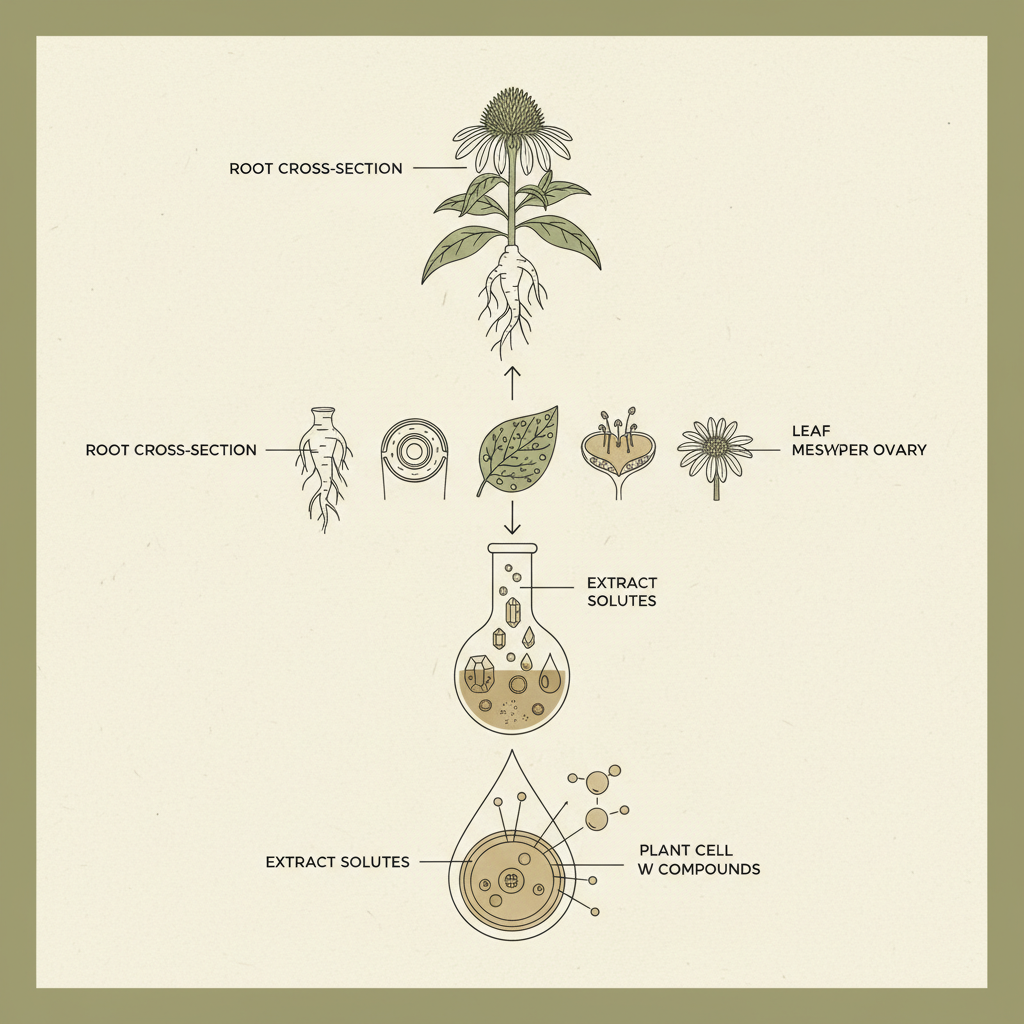
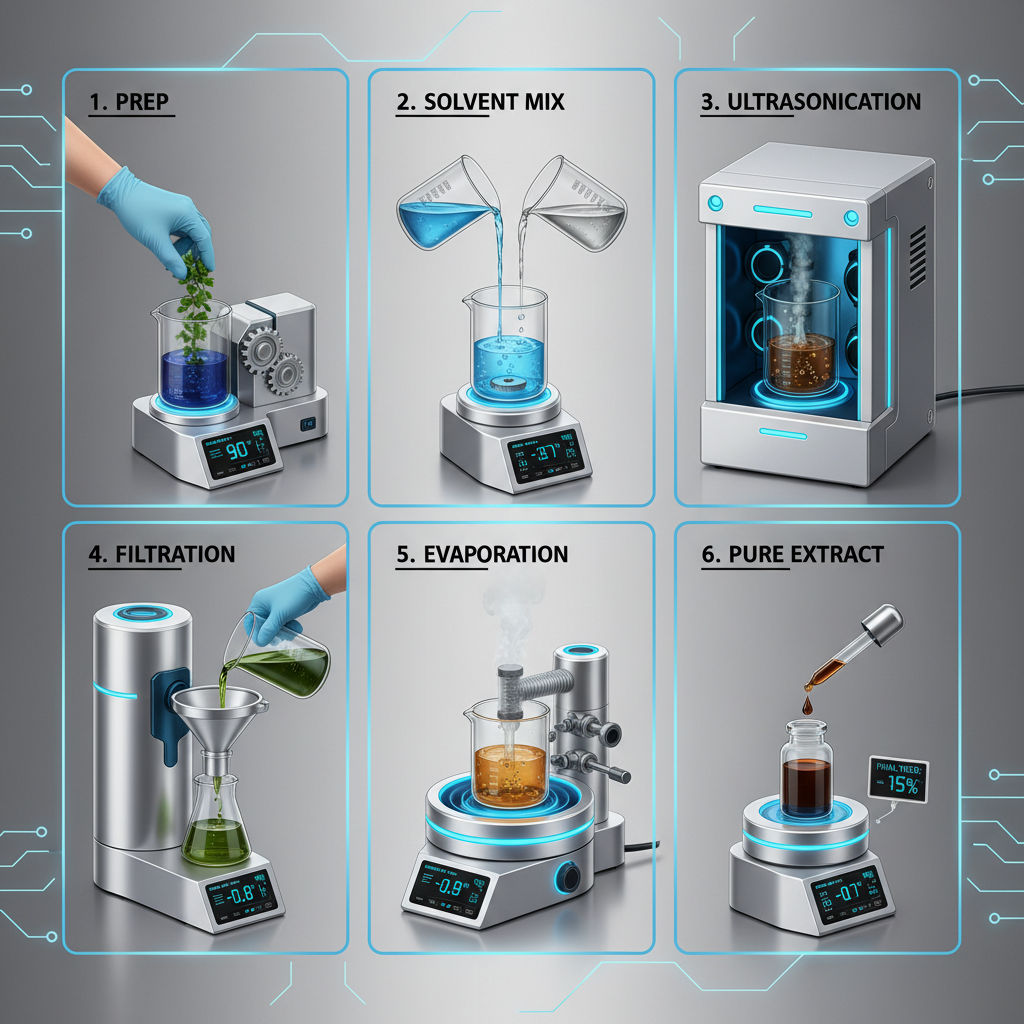
Herbal extract manufacturers are companies specializing in the process of isolating and concentrating bioactive compounds from plant materials. This isn't simply grinding herbs; it’s a complex scientific process utilizing various extraction techniques like solvent extraction, supercritical fluid extraction, and water-based extraction. These techniques aim to selectively isolate desired phytochemicals while preserving their potency and purity.
These manufacturers serve as crucial links in the supply chain, supplying ingredients to a wide range of industries, including pharmaceuticals, nutraceuticals, cosmetics, food and beverage, and aromatherapy. Their role extends beyond simply processing plants; they also often engage in sourcing, quality control, research and development, and regulatory compliance.
The connection to modern industry and humanitarian needs is strong. Herbal extracts are integral to many life-saving medications, innovative dietary supplements, and essential cosmetic formulations. Ethical and sustainable herbal extract manufacturers contribute directly to improved public health and well-being.
Core Components of Effective Manufacturing
Several core components define successful and reliable herbal extract manufacturing. Firstly, Sourcing & Sustainability is paramount. Manufacturers must ensure ethical and sustainable sourcing of raw plant materials, respecting biodiversity and supporting local communities. Traceability and verification of origin are key elements.
Secondly, Extraction Technology plays a vital role. The choice of extraction method – solvent, supercritical fluid, water-based, enzymatic – impacts the yield, purity, and environmental footprint of the process. Modern manufacturers prioritize techniques that minimize solvent residue and maximize the preservation of bioactive compounds.
Thirdly, Quality Control & Standardization are essential. Rigorous testing throughout the manufacturing process, including identification, purity, potency, and safety assessments, is crucial. Standardization ensures batch-to-batch consistency, a critical requirement for pharmaceutical and nutraceutical applications. Finally, Regulatory Compliance is non-negotiable. Manufacturers must adhere to stringent regulations set by agencies like the FDA and EMA, ensuring product safety and efficacy.
Key Applications Across Industries
The applications of herbal extracts are remarkably diverse. In the Pharmaceutical Industry, they serve as starting materials for drug development, providing active compounds for treating a wide range of ailments. In the Nutraceutical Industry, they are key ingredients in dietary supplements, promoting health and wellness.
The Cosmetics Industry utilizes herbal extracts for their antioxidant, anti-inflammatory, and skin-conditioning properties. In the Food & Beverage Industry, they add flavor, color, and nutritional value to products. Even the Aromatherapy Industry relies heavily on essential oils derived from plants, providing therapeutic benefits through inhalation. Herbal extract manufacturers are instrumental in supplying these diverse industries with consistent, high-quality ingredients.
Herbal Extract Manufacturing Methods - Efficiency & Cost
The Advantages of Partnering with Experts
Choosing the right herbal extract manufacturers offers significant benefits. Expert manufacturers can provide access to specialized extraction technologies, ensuring optimal yield and purity of desired compounds. They also possess the expertise to navigate complex regulatory landscapes, reducing the risk of non-compliance.
Furthermore, strong partnerships ensure consistent product quality, reliable supply chains, and potential cost savings through economies of scale. These advantages translate into faster time-to-market, improved product efficacy, and enhanced brand reputation.
Future Trends and Innovation
The future of herbal extract manufacturing is characterized by innovation. Green extraction technologies, like using environmentally friendly solvents and minimizing waste, are gaining prominence. Digital transformation, through automation and data analytics, is optimizing processes and improving quality control.
Advancements in biotechnology, such as plant cell culture and metabolic engineering, offer the potential to produce rare or endangered plant compounds sustainably. The integration of artificial intelligence (AI) for process optimization and quality prediction is also on the horizon, promising even greater efficiency and precision.
Challenges and Solutions in Herbal Extraction
Despite the advancements, challenges remain. Sourcing consistent, high-quality raw materials can be difficult, particularly for rare or geographically limited plants. Maintaining the stability and bioavailability of extracted compounds is another ongoing concern.
Solutions involve establishing robust supply chain partnerships, investing in advanced analytical techniques for quality control, and developing innovative formulation strategies to enhance bioavailability. Furthermore, embracing circular economy principles – minimizing waste and maximizing resource utilization – is essential for sustainable manufacturing.
Collaboration between herbal extract manufacturers, research institutions, and regulatory agencies is crucial for overcoming these challenges and unlocking the full potential of herbal extracts.
Summary of Key Challenges & Solutions in Herbal Extraction
| Challenge |
Impact on Manufacturing |
Proposed Solution |
Implementation Timeline |
| Raw Material Sourcing |
Inconsistent quality, supply disruptions |
Direct partnerships with growers, traceability systems |
Short-term (6-12 months) |
| Solvent Residue |
Safety concerns, regulatory compliance issues |
Supercritical fluid extraction, optimized solvent removal processes |
Medium-term (1-2 years) |
| Bioavailability |
Reduced therapeutic effect |
Nanoparticle encapsulation, liposomal delivery systems |
Long-term (2-5 years) |
| Batch-to-Batch Variability |
Inconsistent product quality |
Standardized extraction protocols, rigorous quality control |
Ongoing (continuous improvement) |
| Regulatory Compliance |
Delays, costly audits |
Dedicated regulatory affairs team, robust documentation |
Ongoing (proactive monitoring) |
| Sustainability Concerns |
Environmental impact, ethical sourcing issues |
Sustainable sourcing practices, waste reduction strategies |
Medium-term (1-2 years) |
FAQS
When selecting a manufacturer, prioritize certifications like GMP (Good Manufacturing Practices), ISO 9001 (Quality Management System), and organic certifications (USDA Organic, EU Organic). These demonstrate a commitment to quality, safety, and traceability. Look also for certifications related to specific aspects like sustainability (e.g., FairWild) or testing standards (e.g., USP, EP). A reputable herbal extract manufacturer will readily provide documentation of these certifications.
Contaminant testing is crucial. Ask manufacturers about their testing protocols for heavy metals, pesticides, residual solvents, and microbial contamination. They should employ validated analytical methods (e.g., HPLC, GC-MS) and provide Certificates of Analysis (COAs) for each batch. Independent third-party testing adds an extra layer of assurance. Transparency and detailed testing reports are key indicators of a reliable supplier.
Standardized extracts contain a defined concentration of a specific bioactive compound. This ensures consistency between batches. Full-spectrum extracts, however, contain a broader range of compounds present in the original plant material, potentially offering synergistic benefits. The best choice depends on your application; standardized extracts are preferred for precise dosing, while full-spectrum extracts may be beneficial for complex therapeutic effects.
Lead times vary significantly based on the complexity of the extraction process, the availability of raw materials, and the manufacturer’s production schedule. Typically, custom extraction can take anywhere from 4-12 weeks. It’s important to discuss your specific requirements and timeline with the herbal extract manufacturer during the initial consultation to establish realistic expectations.
Sustainable sourcing is paramount for the long-term viability of the herbal extract industry. It protects biodiversity, supports local communities, and ensures a consistent supply of high-quality raw materials. Look for manufacturers who prioritize ethical sourcing practices, such as fair trade agreements, responsible harvesting methods, and conservation efforts. Sustainable sourcing is not only environmentally responsible but also builds brand trust and enhances product value.
Supercritical fluid extraction (SFE) utilizes supercritical carbon dioxide (CO2) as a solvent. It's a green technology offering several advantages: it’s non-toxic, leaves no solvent residue, and can selectively extract desired compounds. SFE is particularly effective for heat-sensitive compounds, preserving their integrity. While it can be more expensive than traditional solvent extraction, its benefits in terms of purity and environmental friendliness often outweigh the cost.
Conclusion
In conclusion, the world of herbal extract manufacturers is a dynamic and essential component of the global health and wellness landscape. From rigorous quality control and sustainable sourcing to innovative extraction technologies and regulatory compliance, these manufacturers play a pivotal role in delivering safe, effective, and reliable botanical ingredients to diverse industries. Understanding the nuances of this sector is crucial for both businesses and consumers seeking to harness the power of nature.
Looking forward, continued investment in research and development, coupled with a commitment to sustainability and ethical practices, will be vital for unlocking the full potential of herbal extracts. By fostering collaboration between manufacturers, researchers, and regulatory bodies, we can pave the way for a healthier, more sustainable, and more innovative future. For high-quality herbal extracts and customized solutions, visit our website: www.finutra.com.