Herbal extracts suppliers play a critical role in a vast array of industries, from pharmaceuticals and nutraceuticals to cosmetics and food & beverage. The global demand for natural and plant-based ingredients is surging, driven by increased consumer awareness of health and wellness and a growing preference for sustainable products. Understanding the complexities of sourcing, quality control, and regulatory compliance within this sector is paramount for businesses seeking to leverage the power of botanicals. herbal extracts suppliers are increasingly focused on sustainable sourcing and innovative extraction techniques.
The herbal extract supply chain is incredibly diverse, encompassing everything from wild harvesting to large-scale agricultural cultivation. Ensuring traceability, authenticity, and purity is a significant challenge, particularly with the rise of adulteration and misidentification of plant materials. Effective herbal extracts suppliers prioritize rigorous testing protocols and build strong relationships with growers and harvesters to guarantee the integrity of their products. The quality of these extracts directly impacts the efficacy and safety of the final products they are used in.
Consequently, the selection of a reliable and reputable herbal extracts suppliers is a strategic decision for any company relying on plant-derived ingredients. Factors like extraction methods, certifications, and supply chain transparency are becoming increasingly important considerations for informed buyers. The industry is witnessing a shift towards more sustainable and ethical sourcing practices, reflecting a broader societal demand for responsible business operations.
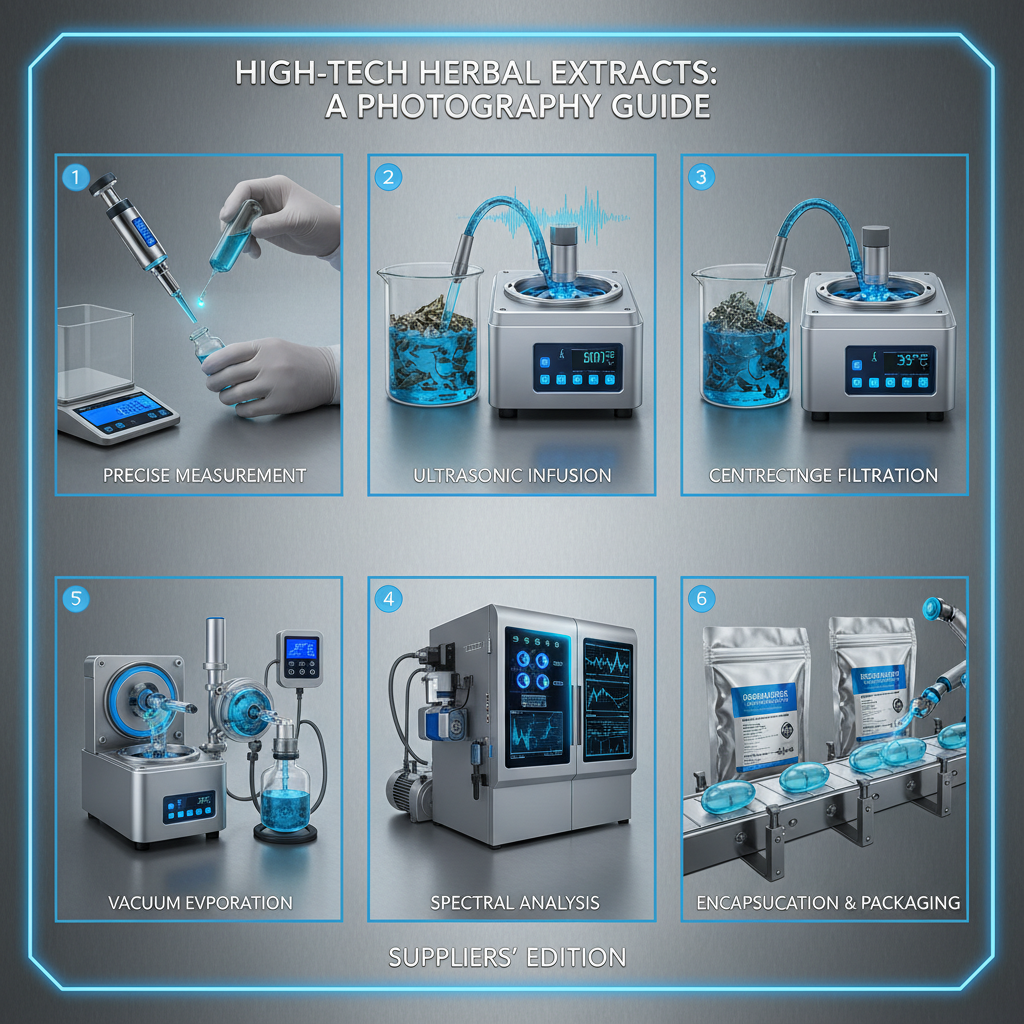

The demand for herbal extracts is experiencing exponential growth worldwide, fueled by consumer preference for natural health products and a growing distrust of synthetic ingredients. This escalating demand necessitates reliable herbal extracts suppliers who can consistently deliver high-quality materials. The market isn't just about volume; it's about sourcing ethically and sustainably.
This surge in demand is also impacting the complexity of the supply chain, requiring greater attention to traceability and authentication. Herbal extracts suppliers must now invest heavily in quality control measures and transparent sourcing practices to meet the evolving needs of their customers and regulatory bodies.
When evaluating herbal extracts suppliers, prioritize certifications like ISO 9001 (quality management), GMP (Good Manufacturing Practice), and organic certifications (e.g., USDA Organic, EU Organic). These certifications demonstrate a commitment to quality, safety, and regulatory compliance. Look for suppliers with third-party testing reports verifying the purity and potency of their extracts. Additionally, certifications related to sustainable sourcing practices (e.g., Fair Trade) indicate ethical responsibility.
Authenticity is a critical concern. Request detailed Certificates of Analysis (COAs) for each batch of extract, outlining the specific compounds present and their concentrations. Inquire about the supplier's testing methods, including DNA barcoding and other advanced analytical techniques to verify plant species. Traceability documentation, showing the origin of the raw materials, is also essential. Working with suppliers who practice transparency and readily share this information is vital.
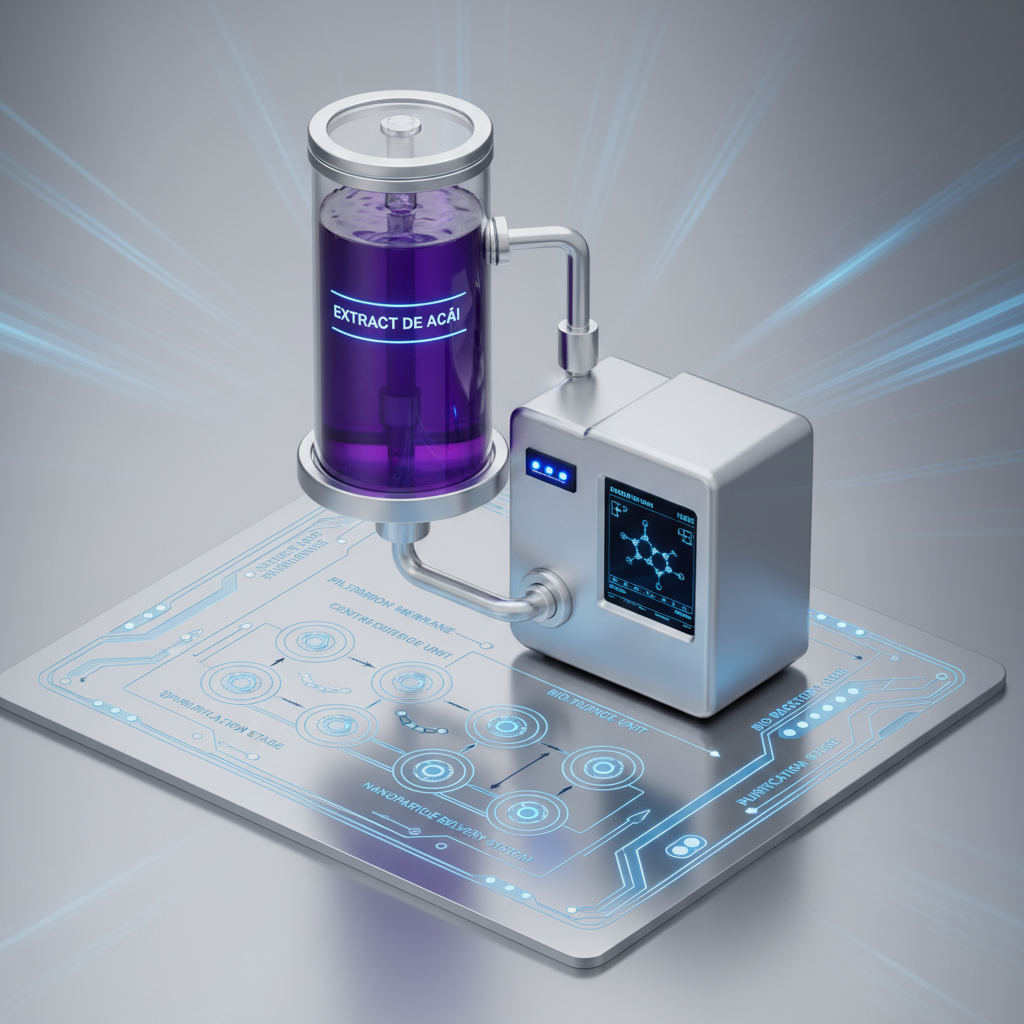
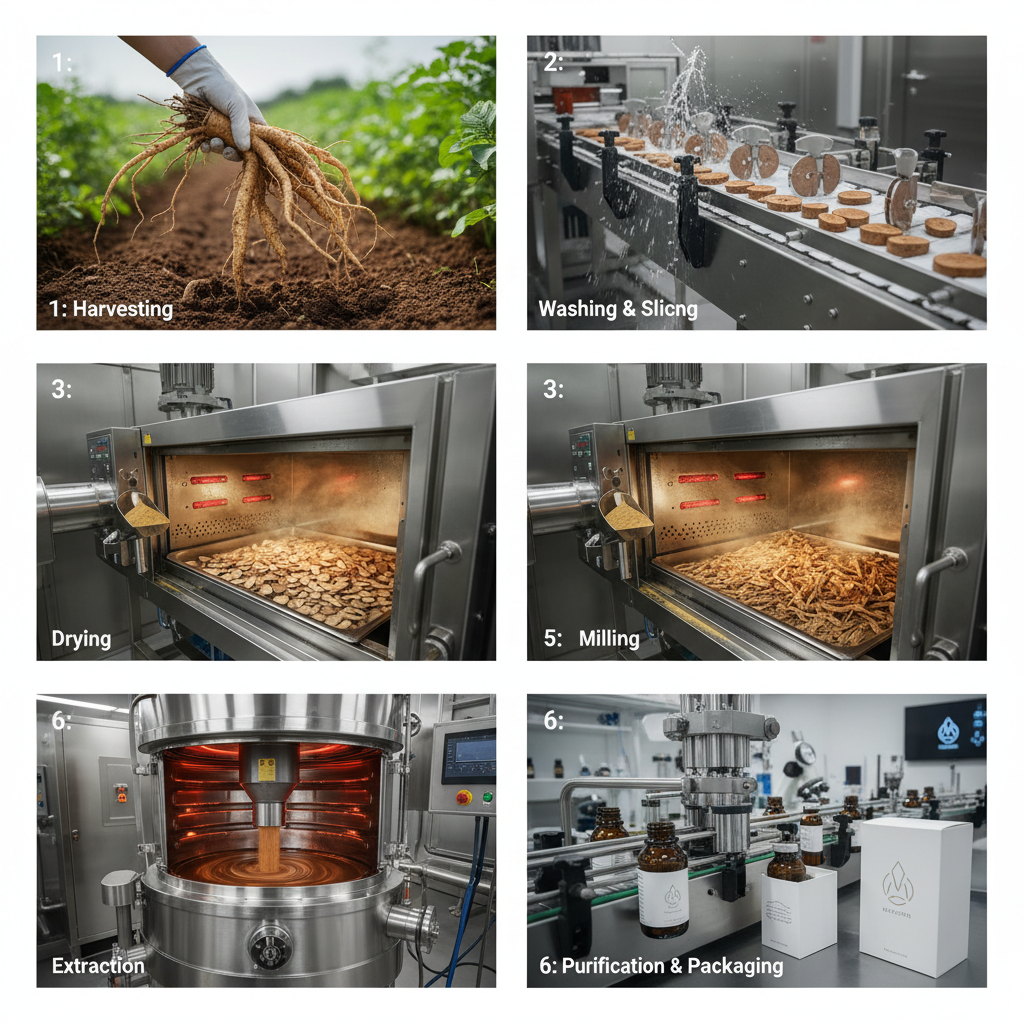
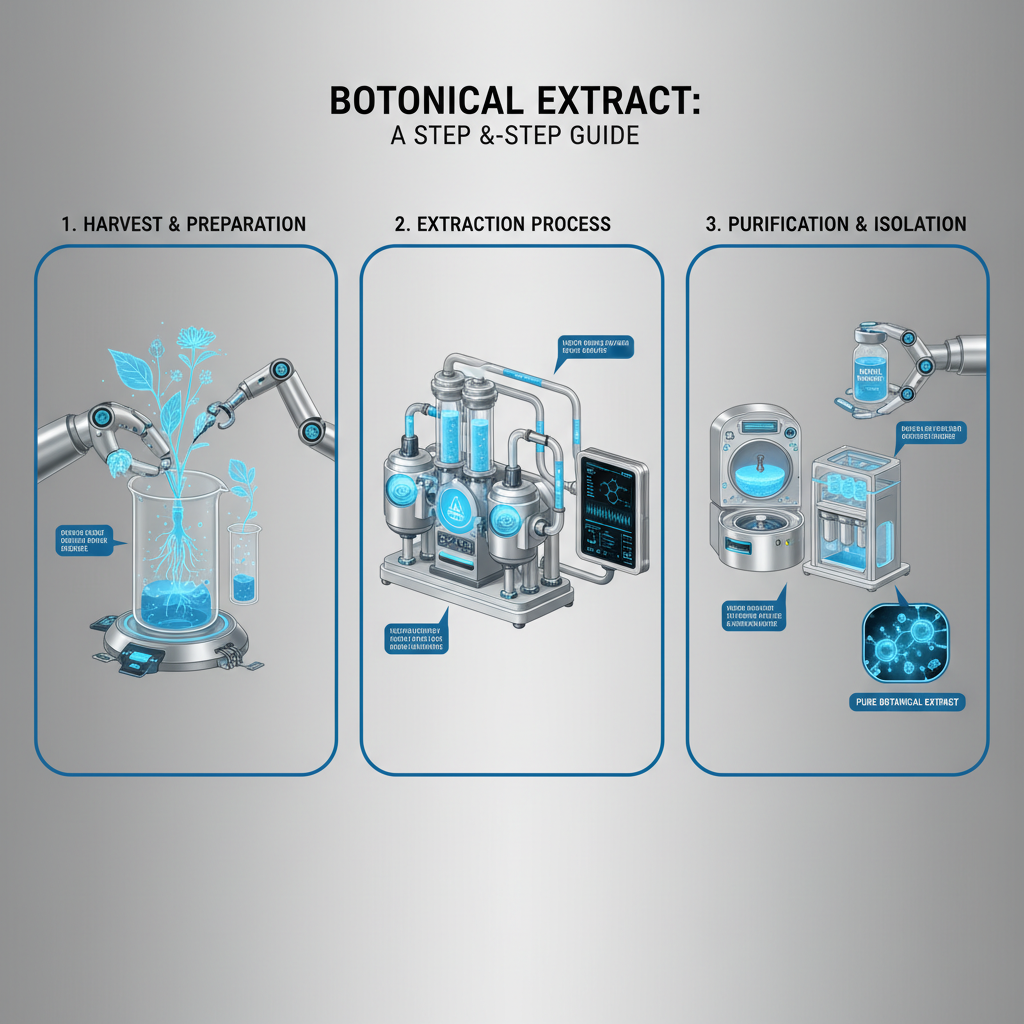
The choice of extraction method significantly impacts the quality of the extract. Supercritical fluid extraction (SFE) using CO2 is often considered superior as it avoids harsh solvents and preserves heat-sensitive compounds. Other effective methods include ultrasonic-assisted extraction and enzyme-assisted extraction, which can improve yield and reduce processing time. The optimal method depends on the specific plant material and target compounds.
Sustainable sourcing involves minimizing environmental impact and supporting local communities. Look for suppliers who practice responsible harvesting techniques, avoid overexploitation of wild plants, and prioritize organic cultivation. Fair Trade partnerships ensure equitable compensation for growers. Transparency in the supply chain, with clear documentation of origin, is crucial for verifying sustainability claims.
Reputable herbal extracts suppliers implement rigorous quality control measures to prevent contamination. This includes testing for heavy metals, pesticides, microbial contaminants, and residual solvents. They maintain strict hygiene standards throughout the extraction and processing facilities and adhere to Good Manufacturing Practices (GMP). Regular audits and third-party certifications provide additional assurance.
Lead times for custom extraction requests vary depending on the complexity of the project, the availability of raw materials, and the supplier's workload. Typically, lead times range from 4 to 12 weeks, but it's essential to discuss specific requirements and timelines with the supplier upfront. A well-established supplier will provide realistic estimates and maintain clear communication throughout the process.
In conclusion, the selection of reliable herbal extracts suppliers is pivotal for businesses operating in the nutraceutical, pharmaceutical, cosmetic, and food industries. Prioritizing quality control, sustainable sourcing, and transparent practices safeguards product integrity and builds consumer trust. The increasing demand for natural and plant-based ingredients necessitates a strategic approach to supplier selection.
Looking ahead, collaboration and innovation will be crucial for addressing the challenges facing the herbal extract sector. Investing in advanced extraction technologies, embracing sustainable practices, and fostering strong supplier partnerships will ensure a resilient and responsible supply chain. Visit our website at www.finutra.com to learn more about our commitment to delivering high-quality herbal extracts.