The pursuit of peak athletic capability has historically led to a complex intersection between nutrition, pharmacology, and ethics. While the conversation often centers on banned substances, there is a growing industry shift toward legal adaptogens and functional ingredients that support the body's resilience without violating anti-doping regulations. Understanding the nuances of drugs enhancing performance in sport requires a clear distinction between prohibited ergogenic aids and biological support systems.
The challenge for modern athletes and supplement formulators is to identify compounds that can legitimately increase mental performance and physical robustness under extreme stress. This is particularly critical in high-endurance sports where the physiological threshold is pushed to its limit, and the recovery window is narrow. The industry is currently moving away from synthetic stimulants toward botanical extracts that normalize the body's response to environmental and physical stressors.
This analysis explores the technical mechanism of adaptogenic support in sports nutrition, focusing on how specific botanical extracts can optimize athletic output. We will examine the role of Rhodiola Rosea as a sustainable alternative for those researching drugs enhancing performance in sport through a legal, nutritional framework.


Adaptogens operate by inducing a "nonspecific immunity," which effectively normalizes the body's physiological state during periods of acute or chronic stress. Unlike synthetic stimulants, these compounds do not force a temporary spike in energy but rather enhance the body's capacity to resist chemical, physical, and environmental stressors.
In the context of athletic performance, this mechanism prevents the premature onset of fatigue by modulating the HPA (Hypothalamic-Pituitary-Adrenal) axis. By regulating cortisol levels, these extracts allow athletes to maintain higher intensity for longer durations without the subsequent "crash" associated with many prohibited substances.
The efficacy of a botanical extract is determined by its chemical markers rather than total biomass. For Rhodiola Rosea, the critical specifications are the concentrations of Rosavins and Salidroside. A standard professional grade typically requires Rosavins ≥5% and Salidroside ≥2%, as these are the primary drivers of the adaptogenic response.
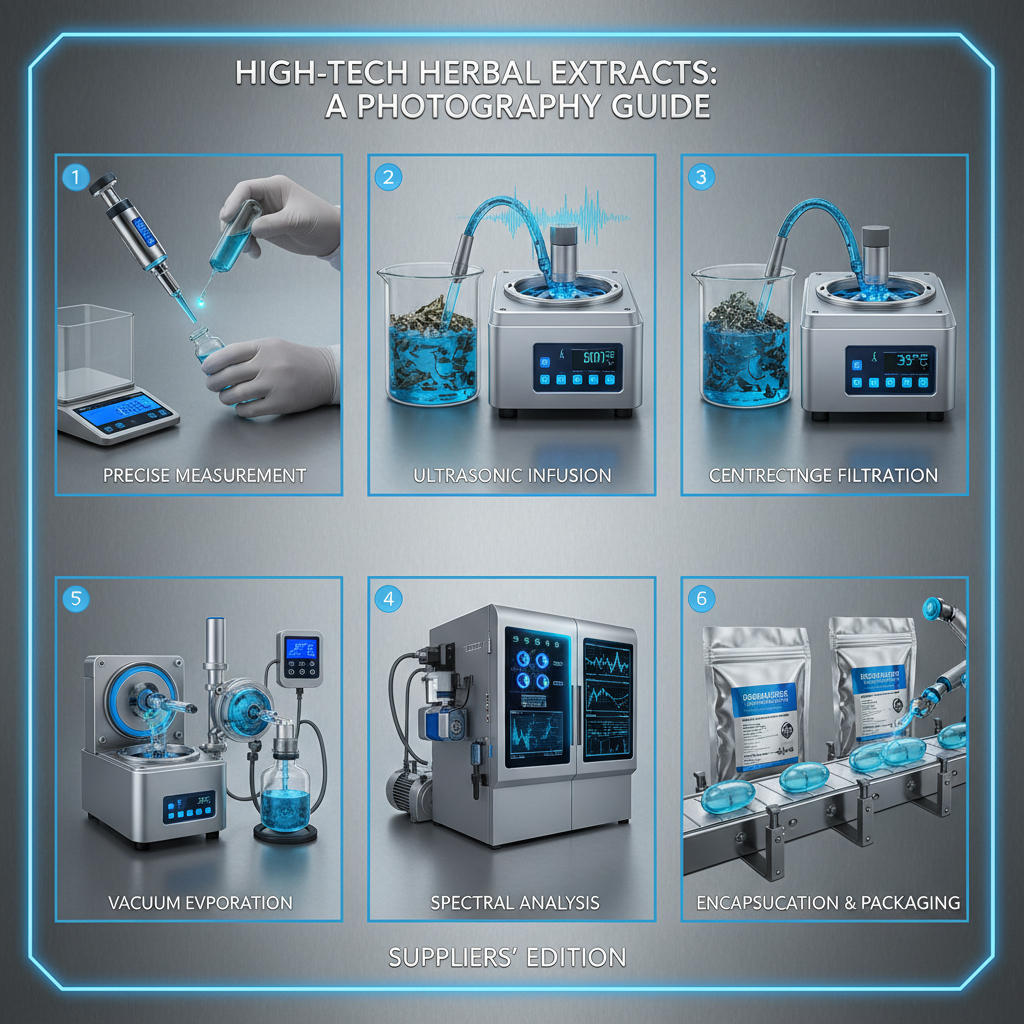
From an engineering perspective, the solvent used during extraction—typically a combination of water and ethanol—determines the solubility and subsequent absorption rate in the human digestive tract. High-purity powders with a particle size of 95% passing through an 80-mesh sieve ensure a consistent dispersion in formulation, whether in tablets or capsules.
Contaminant control is equally vital. In the production of nutritional ingredients, limits on heavy metals (Lead, Arsenic, Cadmium, Mercury) must be strictly kept below 10 ppm to ensure the safety of athletes who may be subject to rigorous biological testing. This level of purity is what differentiates industrial grade extracts from pharmaceutical-grade nutraceuticals.
Athletic performance is as much a psychological challenge as it is a physical one. The ability to maintain focus and decision-making capacity under extreme fatigue is a key differentiator in professional sports. Many traditional drugs enhancing performance in sport targeted the central nervous system to force alertness.
This effect is achieved through the modulation of neurotransmitters and the protection of neurons against oxidative stress. By improving the brain's efficiency in processing information under pressure, athletes can execute complex strategies with greater precision, effectively bridging the gap between raw physical power and tactical execution.
Evaluating the impact of legal adaptogens versus synthetic performance enhancers requires a shift in metrics. While synthetic drugs may provide an immediate, aggressive increase in strength or aerobic capacity, adaptogens provide a cumulative improvement in systemic robustness and recovery speed.
The following data represents a normalized engineering assessment of different performance-support profiles. This assessment considers factors such as recovery rate, mental clarity, and systemic safety, rather than raw power output.
Integrating botanical extracts into a professional training cycle requires a strategic approach to timing and dosage. Typically, adaptogens are introduced during the high-volume phase of training to mitigate the effects of overreaching. For instance, a daily intake of 3-6g of root extract is often recommended in traditional applications to support vitality and longevity.
In a representative engineering scenario, a sports nutritionist would pair Rhodiola extract with other functional ingredients to create a synergistic effect. The focus is on creating a baseline of physical robustness that allows the athlete to absorb higher training loads without risking burnout or injury, thereby providing a legal and sustainable path to performance enhancement.
The trajectory of sport-related supplements is moving toward "precision nutrition." This involves the use of highly standardized extracts that provide consistent dosages of active compounds, reducing the variability often found in raw botanical powders. The industry is shifting away from generic "energy boosters" toward targeted cognitive and physiological support.
Future R&D directions are likely to focus on the synergistic effects of microencapsulation to improve the delivery and absorption of active markers. By protecting fragile compounds from gastric degradation, manufacturers can ensure that the active components of the extract reach the systemic circulation more efficiently.
Furthermore, there is an increasing demand for "clean label" certifications. Athletes are now prioritizing Non-GMO, BSE/TSE-free, and Allergen-free ingredients to avoid any potential risks of contamination that could lead to failed drug tests or health complications.
For B2B buyers and supplement brands, the selection of a raw material supplier is a critical risk management decision. The quality of the final product depends entirely on the traceability and standardization of the input material. HPLC (High-Performance Liquid Chromatography) testing is the industry gold standard for verifying the assay data of Rosavins and Salidroside.
When evaluating different configuration profiles, buyers must consider the balance between potency and purity. A high-assay extract is only valuable if it meets strict microbiological standards, such as negative results for E. Coli and Salmonella, ensuring the product is safe for global distribution.
The following matrix provides a framework for evaluating different botanical extract profiles based on their intended application in athletic support formulations.
| Profile Type | Primary Specification | Recovery Factor | Recommended Use Case |
|---|---|---|---|
| Standard Adaptogen | Rosavins ≥5% | Moderate | General Athletic Support |
| High-Potency Focus | Salidroside ≥3% | High | Intense Cognitive Demand |
| Endurance Baseline | Rosavins 3% / Salidroside 1% | Moderate | Long-distance Training |
| Premium Recovery | Rosavins 5% / Salidroside 2% | Very High | Professional Competition |
| Entry-Level Support | Standardized Root Powder | Low | Wellness & Vitality |
| Custom Formulation | Tailored Marker Ratio | Variable | Specific Sport Requirement |
The primary markers are Rosavins and Salidroside. Rosavins are specific to Rhodiola Rosea and are essential for its adaptogenic properties. Salidroside is also found in other species but contributes significantly to the anti-fatigue effect. A high-quality extract typically maintains a ratio of at least 5% Rosavins and 2% Salidroside, verified via HPLC analysis to ensure consistency across batches.
Synthetic performance enhancers often target a specific pathway to force an immediate physiological response, such as increasing red blood cell count or stimulating the central nervous system. In contrast, adaptogens like Rhodiola work by modulating the body's overall stress response. They improve the efficiency of the body's natural systems, enhancing resilience and recovery without the extreme side effects or the risk of anti-doping violations.
Yes, Rhodiola is recognized for its ability to increase mental performance and improve brain function, particularly when the body is under stress. By reducing the symptoms of fatigue and mental exhaustion, it allows athletes to maintain higher levels of concentration and cognitive clarity, which is essential for tactical decision-making in the final stages of endurance sports.
Rhodiola extract should be stored in a cool, dry place, avoiding direct sunlight to prevent the degradation of active compounds. When packed in standard 25kg drums, the shelf life is typically two years. Maintaining these conditions is critical for preserving the potency of the Rosavins and Salidroside, ensuring that the end-user receives the full biological benefit.
While generally safe, athletes should always verify the purity of their supplements to avoid cross-contamination with banned substances. Using extracts that are Non-GMO and free from BSE/TSE and irradiation is a baseline requirement. It is also recommended to consult a sports nutritionist to determine the optimal dosage based on individual body weight and the specific intensity of the training regimen.
The "nonspecific immunity" refers to the adaptogen's ability to increase the body's general resistance to a wide range of stressors. This is achieved by optimizing the production of heat shock proteins and modulating the release of cortisol. This systemic stabilization prevents the body from overreacting to stress, thereby preserving energy and reducing the physiological damage caused by extreme physical exertion.
The transition from prohibited substances to legal, high-efficacy adaptogens represents a maturation of the sports nutrition industry. By focusing on the biochemical markers of extracts like Rhodiola Rosea, the industry can provide athletes with tools that genuinely enhance performance and recovery without compromising health or ethical standards.
The practical implication for manufacturers and athletes is clear: purity and standardization are the only reliable metrics for success. Implementing a rigorous quality framework for drugs enhancing performance in sport alternatives ensures that the biological benefits are realized consistently, paving the way for a new era of sustainable athletic excellence.