Liquid alfalfa extract, a concentrated form of the alfalfa plant, is gaining significant attention in the nutraceutical and health food industries. Globally, the demand for natural and plant-based supplements is surging, driven by increasing consumer awareness regarding preventative healthcare and a desire for holistic wellness solutions. This rise is particularly prominent in developed nations, but also growing rapidly in emerging markets where traditional medicine and natural remedies are deeply ingrained in cultural practices.
Alfalfa, scientifically known as Medicago sativa, has a long history of use as both a food source for livestock and a medicinal herb. The extraction process concentrates the beneficial compounds present in the plant, offering a potent source of vitamins, minerals, enzymes, and antioxidants. The increasing pressure on conventional food systems and the growing desire for sustainable and ethically sourced ingredients further fuels the demand for liquid alfalfa extract as a versatile ingredient.
As concerns regarding synthetic additives and pharmaceutical interventions increase, consumers are actively seeking natural alternatives to support their health and well-being. Liquid alfalfa extract represents a compelling solution, offering a wide range of potential health benefits – from digestive support and detoxification to immune system enhancement and hormonal balance – making it a valuable asset in the burgeoning landscape of preventative healthcare.
The Significance of Liquid Alfalfa Extract
The importance of liquid alfalfa extract lies in its potent concentration of vital nutrients and bioactive compounds. Unlike consuming alfalfa in its raw form, the extraction process optimizes bioavailability, meaning the body can more readily absorb and utilize these beneficial elements. This makes liquid alfalfa extract a powerful addition to dietary supplements and functional food formulations.
Furthermore, the growing interest in sustainable agriculture and plant-based nutrition positions liquid alfalfa extract as a key ingredient for brands seeking to align with consumer values. Alfalfa itself is a nitrogen-fixing plant, enriching the soil and reducing the need for synthetic fertilizers, aligning with environmentally conscious practices.
Understanding Liquid Alfalfa Extract
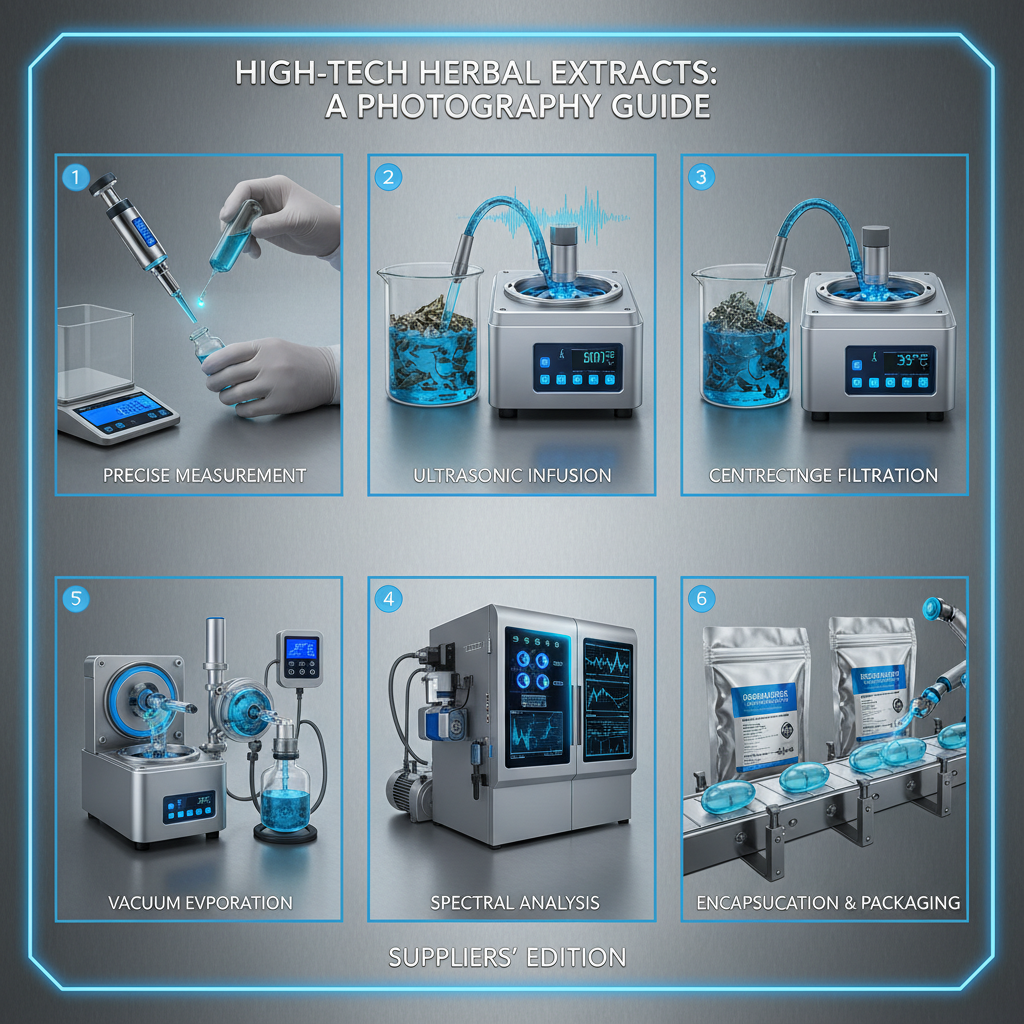
Liquid alfalfa extract is created by carefully processing the roots, stems, and leaves of the alfalfa plant. The process typically involves harvesting the alfalfa at peak maturity, followed by extraction using water or a water-alcohol mixture. This method preserves a broad spectrum of phytochemicals, including vitamins (A, C, E, K, and several B vitamins), minerals (calcium, magnesium, phosphorus, potassium, and trace minerals), enzymes, chlorophyll, and saponins. The resulting extract is then concentrated and often standardized to ensure consistent potency.
The connection to modern industry and humanitarian needs is significant. In the nutraceutical industry, it serves as a base for various supplements targeting digestive health, detoxification, and immune support. Its ability to provide a broad spectrum of nutrients also makes it a potentially valuable resource in addressing micronutrient deficiencies in regions with limited access to diverse food sources.
The extract’s versatility allows for its incorporation into various formulations, from liquid tinctures and capsules to powders and even topical applications, making it adaptable to diverse consumer preferences and product development goals.
Key Components & Nutritional Profile
The nutritional profile of liquid alfalfa extract is remarkably comprehensive. Key components include chlorophyll, which supports detoxification and oxygenation, and saponins, known for their immune-boosting properties. Enzymes present in the extract aid in digestion and nutrient absorption. Furthermore, it’s a significant source of bioavailable minerals, crucial for maintaining optimal physiological function. liquid alfalfa extract offers a concentrated dose of these essential nutrients.
Beyond the macro-nutrients, liquid alfalfa extract boasts a rich array of phytonutrients with potent antioxidant activity. These compounds help combat oxidative stress, protecting cells from damage and contributing to overall health and longevity. The extract’s vitamin K content is particularly noteworthy, playing a vital role in blood clotting and bone health.
The standardized extraction process ensures a consistent concentration of these beneficial compounds, providing consumers with a reliable and predictable health benefit. Variations in extraction methods, however, can influence the final nutrient profile, highlighting the importance of sourcing high-quality liquid alfalfa extract from reputable suppliers.
Applications Across Industries
Liquid alfalfa extract has diverse applications spanning multiple industries. In the nutraceutical sector, it’s a staple ingredient in detoxifying formulas, digestive aids, and immune-boosting supplements. The food and beverage industry utilizes it as a natural colorant and flavor enhancer in juices, smoothies, and health food products.
In animal feed, liquid alfalfa extract improves palatability, boosts nutrient absorption, and promotes overall animal health. The cosmetic industry leverages its antioxidant properties in skincare formulations designed to protect against environmental damage and promote skin rejuvenation. liquid alfalfa extract is used across continents in these various industries.
Application Breakdown of Liquid Alfalfa Extract
Advantages & Long-Term Value
The advantages of incorporating liquid alfalfa extract into formulations are numerous. It's a cost-effective source of essential nutrients, offering a high potency per serving. The extract’s natural composition reduces the risk of adverse reactions commonly associated with synthetic supplements. liquid alfalfa extract represents a natural alternative.
Long-term value is derived from its preventative health benefits, supporting overall well-being and potentially reducing the risk of chronic diseases. Furthermore, its sustainable sourcing potential aligns with growing consumer demand for environmentally responsible products.
Future Trends and Innovations
Emerging trends indicate a growing focus on personalized nutrition, where liquid alfalfa extract could be tailored to individual needs through targeted formulations. The development of advanced extraction techniques, such as supercritical fluid extraction, promises even higher purity and bioavailability of beneficial compounds.
Furthermore, research into the extract’s potential role in gut health and microbiome modulation is gaining momentum, opening up exciting avenues for future applications. The integration of digital technologies, such as blockchain, to ensure traceability and transparency in the supply chain will enhance consumer trust and confidence.
The convergence of these innovations will solidify liquid alfalfa extract’s position as a key ingredient in the evolving landscape of functional foods and nutraceuticals.
Challenges & Sustainable Solutions
Despite its benefits, challenges exist. Maintaining consistent quality and potency across different batches can be difficult due to variations in growing conditions and extraction processes. Sourcing sustainable alfalfa and minimizing environmental impact is another crucial concern.
Solutions include implementing rigorous quality control measures, standardizing extraction protocols, and investing in research to optimize cultivation practices. Supporting farmers who employ regenerative agriculture techniques and prioritizing ethical sourcing are vital steps towards a sustainable supply chain.
Collaboration between researchers, producers, and industry stakeholders is essential to overcome these challenges and unlock the full potential of liquid alfalfa extract.
Summary of Key Challenges and Sustainable Solutions for Liquid Alfalfa Extract Production
| Challenge |
Impact Level (1-10) |
Proposed Solution |
Implementation Cost (USD) |
| Inconsistent Quality |
8 |
Standardized Extraction Protocols |
5,000 |
| Sustainability of Sourcing |
7 |
Support Regenerative Agriculture |
10,000 |
| Batch-to-Batch Variability |
6 |
Implement Rigorous QC Testing |
7,500 |
| Environmental Impact of Production |
5 |
Water Conservation Techniques |
2,000 |
| Traceability and Transparency |
4 |
Implement Blockchain Technology |
15,000 |
| Consumer Awareness |
3 |
Educational Marketing Campaigns |
3,000 |
FAQS
Liquid alfalfa extract is renowned for its diverse health benefits. It is rich in vitamins and minerals like vitamin K, calcium, and potassium, supporting bone health and potentially aiding in regulating blood pressure. Its chlorophyll content promotes detoxification, while enzymes aid in digestion. Many users report improvements in energy levels and immune function. liquid alfalfa extract has these features.
Generally, liquid alfalfa extract is considered safe for most individuals. However, individuals with autoimmune diseases, kidney problems, or those taking blood thinners should consult with a healthcare professional before use. Pregnant and breastfeeding women should also exercise caution. While rare, some people may experience mild digestive upset.
Liquid alfalfa extract offers a more concentrated dose of nutrients compared to alfalfa sprouts. The extraction process allows for a higher bioavailability of beneficial compounds. Sprouts are a good source of fiber, but the extract delivers a more potent and readily absorbed form of vitamins, minerals, and antioxidants.
Dosage recommendations vary depending on individual needs and the concentration of the extract. A common starting dosage is 1-2 teaspoons (5-10 ml) daily, diluted in water or juice. It’s best to start with a lower dose and gradually increase it as tolerated. Consulting a healthcare professional or registered dietitian is recommended for personalized guidance.
When sourcing liquid alfalfa extract, prioritize reputable brands that adhere to stringent quality control standards and utilize sustainable sourcing practices. Look for products that are certified organic and free from additives, fillers, and contaminants. liquid alfalfa extract sourced from trusted suppliers are important.
Due to its vitamin K content, liquid alfalfa extract may interact with blood thinners like warfarin. It’s also important to note that alfalfa can potentially interact with medications used to treat autoimmune conditions. Therefore, individuals taking any medications should consult with a healthcare professional before using liquid alfalfa extract.
Conclusion
In summary, liquid alfalfa extract emerges as a potent and versatile natural ingredient with a wide range of health benefits. Its rich nutritional profile, combined with its potential to address various health concerns – from digestive support to immune boosting – positions it as a valuable asset in the modern health and wellness landscape. The sustainable sourcing of alfalfa, coupled with advancements in extraction technology, further enhances its appeal to both consumers and industry stakeholders.
Looking ahead, continued research and innovation will unlock even greater potential for liquid alfalfa extract. Embracing sustainable practices, prioritizing quality control, and promoting consumer awareness will be crucial steps in maximizing its long-term value and impact. As a natural, plant-based solution, liquid alfalfa extract is poised to play a significant role in shaping the future of preventative healthcare.