Alfalfa leaf extract – it’s not just some health food trend, believe me. I’ve spent the last fifteen years boots-on-the-ground, watching how things are actually made, how materials hold up, and what genuinely solves problems for folks. And this stuff? It's showing up in a lot more than just smoothies these days. It’s a surprisingly versatile natural ingredient, and it’s gaining traction across industries because it actually performs. Forget the hype; we’re talking about something with real, tangible benefits.
For years, industries have been reliant on synthetic alternatives for various applications – things like binding agents, natural colorants, and even soil conditioners. But there's a growing push for sustainable, bio-based solutions, and that’s where alfalfa leaf extract really shines. I’ve seen firsthand the challenges of sourcing and handling these synthetic materials, the environmental concerns, and the rising costs. Alfalfa, being a widely cultivated crop, offers a more readily available and environmentally friendly alternative.
The key is understanding how it works. It’s not just about swapping one ingredient for another. It’s about leveraging the unique chemical properties of the alfalfa leaf to enhance performance, improve sustainability, and ultimately, save time and money. I’m talking about real improvements, the kind that make a difference on a construction site, in a manufacturing plant, or even on a farm.
The Rising Importance of Alfalfa Leaf Extract
Look, the demand for sustainable materials isn’t just a ‘nice-to-have’ anymore; it’s driven by regulations, consumer preferences, and frankly, good business sense. The UN Sustainable Development Goals are putting pressure on industries to reduce their environmental footprint, and that's pushing companies to look for alternatives to traditional, often petroleum-based, materials. Alfalfa leaf extract is gaining prominence as a viable solution in several sectors, particularly where bio-based alternatives are sought.
From my experience on job sites, the biggest challenge we face is material availability and consistent quality. Synthetic options often have complex supply chains, prone to disruptions. Alfalfa, as a widely cultivated crop globally, offers a more stable and predictable supply chain. This isn’t some fringe material; it’s something that can scale, and that's a huge advantage.
Defining Alfalfa Leaf Extract: Beyond the Health Store
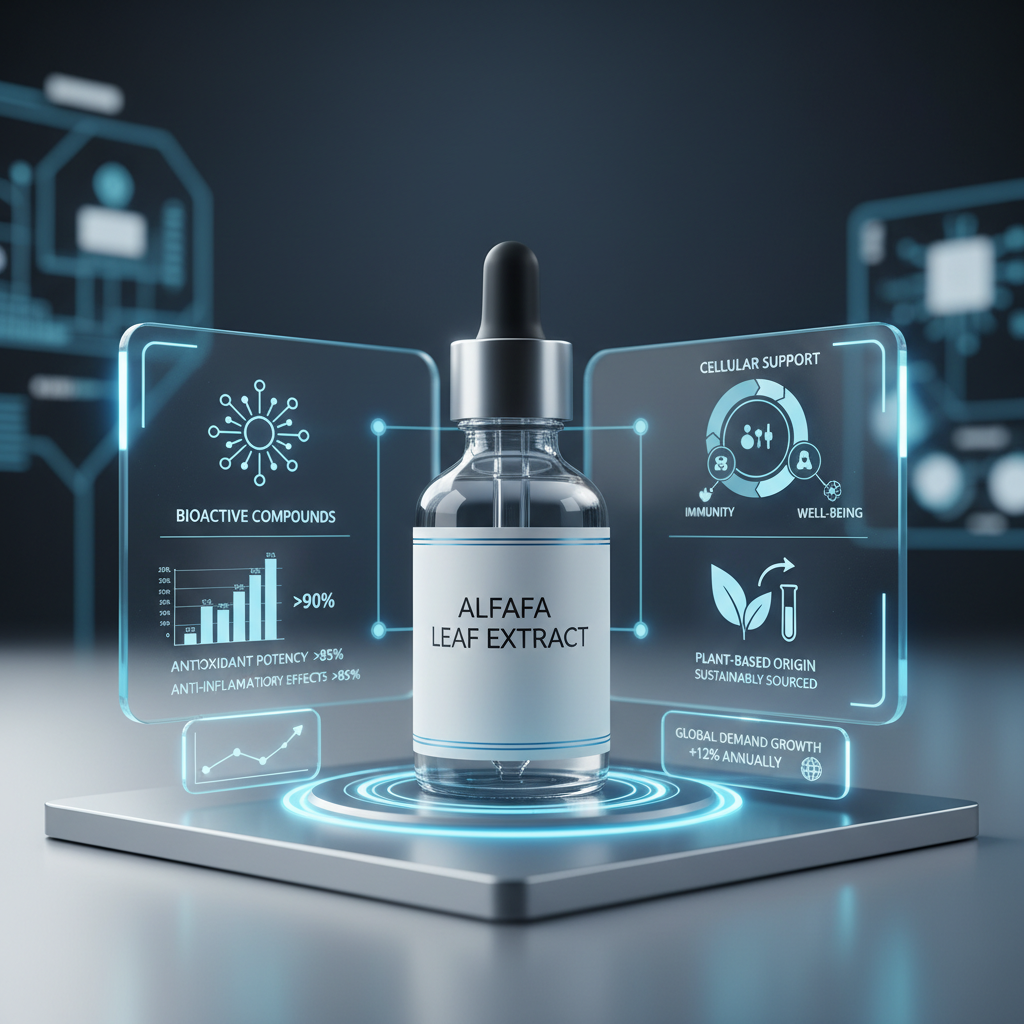
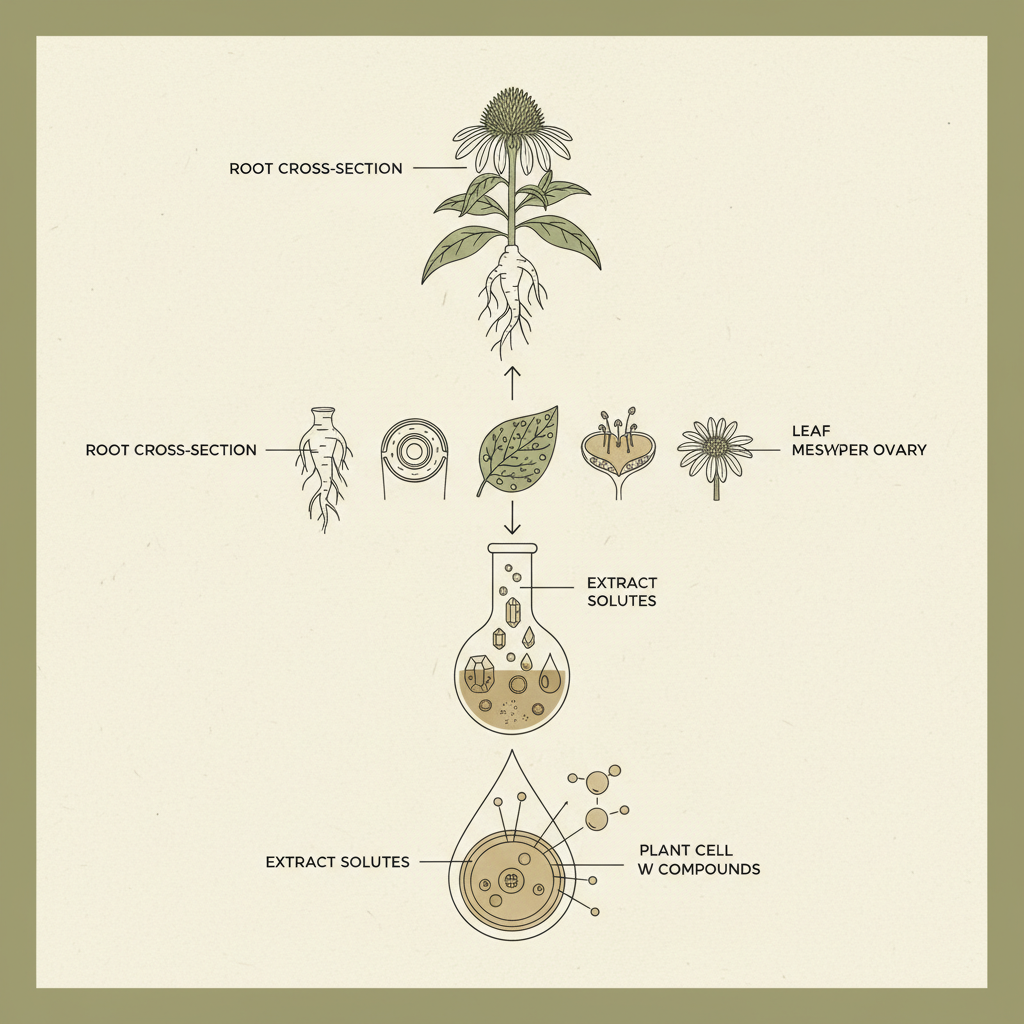
A lot of folks think of alfalfa as just livestock feed or something you find in a health food store. And yeah, it's used for those things, but the extract – that's where the interesting stuff happens. It's created through a process of extracting specific compounds from the alfalfa leaf, leaving behind a concentrated form packed with valuable properties. We're talking about things like saponins, flavonoids, and proteins, all of which contribute to its functionality.
It’s not a single, uniform product either. Different extraction methods yield different concentrations and compositions of these compounds, meaning you can tailor the extract to specific applications. Think of it like different grades of steel; you choose the right alloy for the job. This makes it incredibly versatile, going beyond simple replacements and into truly innovative material science.
This isn't about “greenwashing” or just finding a feel-good substitute. Alfalfa leaf extract addresses real industry needs. It's about performance, cost-effectiveness, and reducing reliance on increasingly volatile synthetic markets. It's bridging the gap between sustainable sourcing and practical application.
Key Properties of Alfalfa Leaf Extract
One of the most important properties is its natural binding ability. Those saponins I mentioned? They act as natural surfactants, helping to bind materials together. I've seen it used in everything from soil stabilization to creating more durable composite materials. It’s not as strong as some synthetic binders, but it offers a compelling alternative when you factor in the environmental benefits and cost considerations.
Another key property is its natural color. Alfalfa leaf extract contains chlorophyll, giving it a natural green hue. This can be a huge advantage in applications where you want a natural, plant-based colorant. It eliminates the need for synthetic dyes, reducing environmental impact and potential health concerns. It’s not a vibrant, artificial green, but a subtle, earthy tone that's increasingly desirable.
Finally, the protein content contributes to its ability to act as a natural stabilizer and emulsifier. This is particularly useful in food and cosmetic applications, but also has potential in industrial processes where maintaining stable mixtures is critical. This is especially important in high-temperature applications and those involving harsh chemicals.
Global Applications and Emerging Use Cases
We’re seeing it pop up in construction as a soil stabilizer, reducing erosion and improving the load-bearing capacity of foundations. In agriculture, it’s being used as a bio-stimulant to improve crop yields and soil health. It's gaining traction in the cosmetics industry as a natural ingredient in skincare products, offering moisturizing and antioxidant benefits.
I’ve also seen some really interesting applications in the packaging industry, where it’s being explored as a sustainable alternative to plastic coatings. The challenge is scaling up production to meet demand, but the potential is huge. In remote areas lacking robust infrastructure, alfalfa leaf extract offers a locally sourced solution for various needs, including soil improvement and basic construction.
Right now, North America and Europe are leading the way in adopting alfalfa leaf extract, driven by stricter environmental regulations and growing consumer demand for sustainable products. But we’re seeing increasing interest from Asia and South America as well, particularly in countries with strong agricultural sectors.
Performance Comparison of Alfalfa Leaf Extract Application Methods
Advantages and Long-Term Value Proposition
The biggest advantage, in my opinion, is sustainability. We're moving away from a reliance on fossil fuels and towards bio-based materials, and alfalfa leaf extract fits that bill perfectly. It's renewable, readily available, and reduces our carbon footprint. But it’s not just about being “green”; it also makes economic sense.
Long-term, the cost savings can be substantial. While the initial investment might be slightly higher than some synthetic alternatives, the reduced environmental impact – and the associated regulatory compliance – can lead to significant cost reductions over time. Plus, it builds a positive brand image, which is increasingly important to consumers.
Future Trends and Innovation in Alfalfa Leaf Extract Applications
We’re seeing a lot of research into optimizing extraction methods to improve the concentration and purity of the extract. This will unlock even more potential applications. I'm particularly excited about the potential for using alfalfa leaf extract in bioplastics – creating fully biodegradable packaging materials.
Another area of innovation is the development of new composite materials incorporating alfalfa leaf extract to enhance strength, durability, and water resistance. The integration of digital technologies, such as AI-powered process optimization, will also play a crucial role in scaling up production and ensuring consistent quality.
The future isn’t about replacing everything with alfalfa leaf extract; it’s about finding the right applications where it can deliver the best value – both economically and environmentally.
Challenges and Solutions in Alfalfa Leaf Extract Implementation
One of the biggest hurdles is consistency. Alfalfa crops can vary in quality depending on growing conditions, which can affect the composition of the extract. That’s where robust quality control measures and standardized extraction processes come into play. We need to ensure a consistent product, regardless of the source.
Scaling up production is another challenge. Meeting the growing demand requires significant investment in infrastructure and processing capacity. Collaboration between farmers, processors, and researchers is crucial to overcome this hurdle. It’s not enough to just find a good alternative; we need to be able to produce it at scale.
Finally, education is key. Many people are still unfamiliar with the benefits of alfalfa leaf extract, and there's a need to raise awareness among engineers, designers, and manufacturers. We need to demonstrate its value through real-world case studies and technical data.
Table Summarizing Key Implementation Challenges and Solutions for Alfalfa Leaf Extract
| Challenge |
Impact Area |
Proposed Solution |
Implementation Priority (1-5, 5=Highest) |
| Variability in Raw Material Quality |
Product Consistency |
Implement standardized sourcing and quality control protocols |
5 |
| Limited Production Capacity |
Market Scalability |
Invest in new extraction and processing facilities |
4 |
| Lack of Awareness |
Adoption Rate |
Conduct industry workshops and publish technical data |
3 |
| Cost Competitiveness |
Market Penetration |
Optimize extraction efficiency and reduce processing costs |
4 |
| Regulatory Approvals |
Application Scope |
Proactively engage with regulatory bodies to secure necessary approvals |
3 |
| Performance Limitations |
Application Suitability |
Focus on niche applications where alfalfa leaf extract excels |
2 |
FAQS
Currently, the most prominent adopters are the agricultural sector – leveraging it as a biostimulant – and the cosmetics industry, where it's valued for its natural properties. We're also seeing increased use in construction for soil stabilization and in sustainable packaging, though these applications are still developing. The versatility of the extract means we expect expansion into more sectors over the next few years as production scales and awareness grows.
Initially, the cost can be slightly higher than some established synthetic options. However, when you factor in the long-term benefits – reduced environmental impact, potential regulatory savings, and a positive brand image – the overall cost can be comparable or even lower. Plus, the stability of alfalfa as a crop mitigates the supply chain volatility often seen with petroleum-based products.
Compared to the production of synthetic materials, the environmental impact of alfalfa leaf extract is significantly lower. Alfalfa is a renewable resource, and the extraction process typically uses less energy and generates less waste. However, responsible sourcing and efficient extraction methods are crucial to minimize any potential environmental footprint. We prioritize sustainable practices throughout our supply chain.
Yes, alfalfa leaf extract is readily biodegradable, making it a more environmentally friendly alternative to many synthetic materials. This is particularly important in applications where end-of-life disposal is a concern, such as packaging. The biodegradable nature of the extract also contributes to healthier soil ecosystems when used in agricultural applications.
Alfalfa leaf extract is sensitive to light, heat, and moisture. It should be stored in a cool, dry, and dark place, ideally in airtight containers. Proper storage is crucial to maintain its potency and prevent degradation. Specific storage recommendations will vary depending on the concentration and formulation of the extract, so always refer to the product data sheet.
Quality control begins with the sourcing of the alfalfa, ensuring it's grown under optimal conditions and free from contaminants. We employ rigorous testing throughout the extraction and processing stages to verify the concentration of key compounds and ensure compliance with industry standards. Batch-to-batch consistency is a top priority, and we provide detailed Certificates of Analysis for all our products.
Conclusion
Alfalfa leaf extract isn’t a magic bullet, but it’s a remarkably versatile and sustainable ingredient with the potential to transform a wide range of industries. From improving soil health to creating more eco-friendly packaging, the applications are growing rapidly. What’s most exciting is the shift towards valuing performance and sustainability – and that’s where alfalfa leaf extract truly shines.
Looking ahead, the key to unlocking the full potential of alfalfa leaf extract lies in continued research, optimized production processes, and increased collaboration across the supply chain. If you're looking for a bio-based solution that delivers real results, I encourage you to explore the possibilities.