The global demand for high-purity botanical extracts has surged as the nutraceutical industry shifts toward evidence-based wellness. Among these, alfalfa extract stands out for its dense concentration of vitamins, minerals, and saponins, making the selection of reliable alfalfa extract suppliers a critical decision for manufacturers of supplements and functional foods. Understanding the nuances of sourcing ensures that the final product maintains both biological activity and regulatory compliance.
From a commercial perspective, the ability of alfalfa extract suppliers to provide consistent batch-to-batch standardization is what separates industry leaders from generic commodity traders. With the rise of "clean label" trends, companies are now seeking suppliers who can guarantee a pesticide-free supply chain and transparent extraction methodologies, moving beyond simple cost-per-kilogram metrics to prioritize long-term stability.
Whether you are developing a new chewable tablet, a liposomal delivery system, or a specialized botanical blend, the quality of your raw material defines your brand's efficacy. By analyzing the technical capabilities and quality assurance protocols of top-tier alfalfa extract suppliers, brands can mitigate risks associated with contamination and potency loss, ultimately delivering superior health outcomes to the end consumer.
Global Industry Context of Alfalfa Extract Suppliers
The landscape for alfalfa extract suppliers is shaped by the increasing global intersection of agriculture and pharmaceutical-grade processing. As ISO standards and GMP (Good Manufacturing Practices) become the baseline for international trade, the supply chain has evolved from simple agricultural trading to a sophisticated bio-chemical industry. Current market data indicates a steady climb in demand for plant-based proteins and micronutrients, pushing suppliers to optimize their yield and purity levels to meet the stringent requirements of the EU and US FDA.
However, the industry faces a significant challenge: the variability of raw alfalfa crops due to climate change and soil depletion. This creates a volatility in the active compound concentration, placing immense pressure on alfalfa extract suppliers to implement advanced stabilization techniques. When suppliers cannot maintain a consistent profile, manufacturers face the risk of product recalls or inconsistent efficacy, which can be devastating for a brand's reputation in the competitive health food sector.
Defining Quality in Alfalfa Extract Suppliers
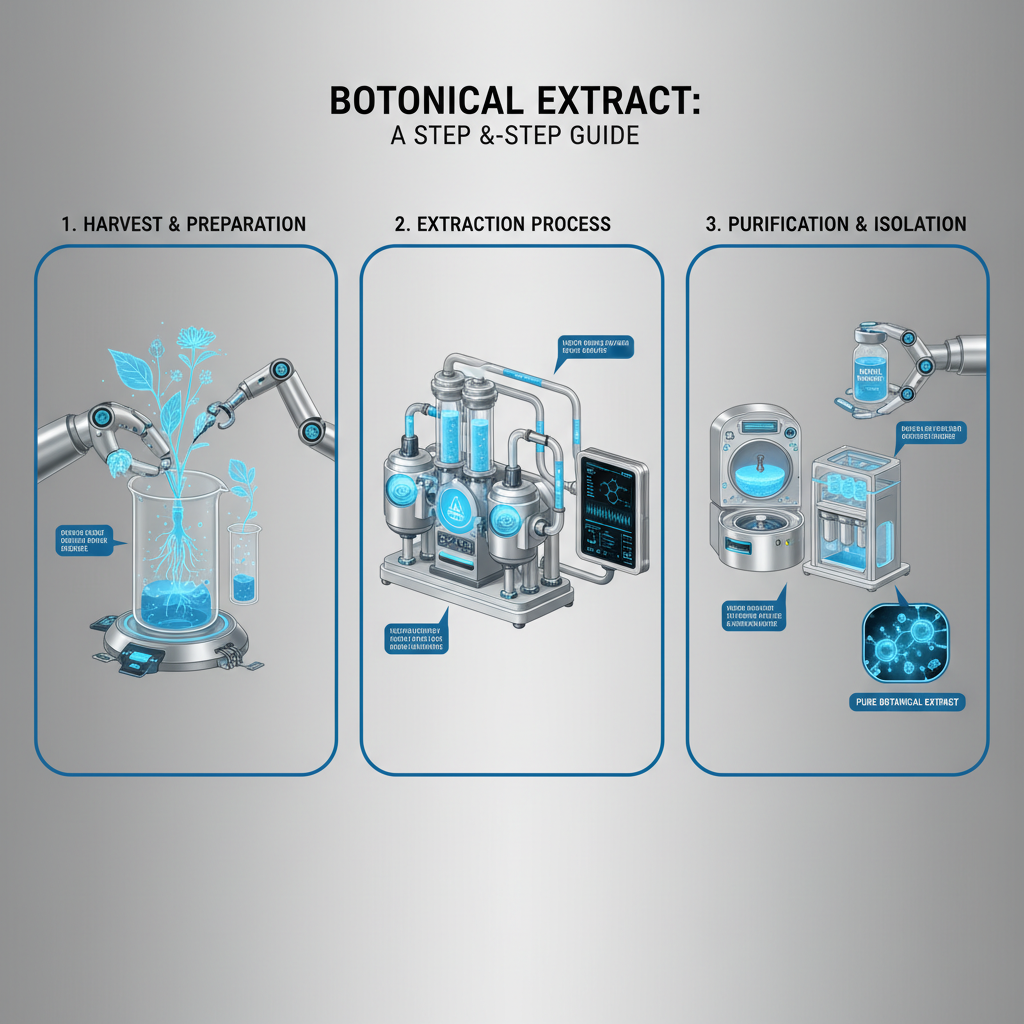
In professional terms, alfalfa extract suppliers are not merely vendors of powder; they are specialized biotechnology partners that transform Medicago sativa into a standardized raw material. This process involves complex solvent extraction, filtration, and spray-drying to ensure that key nutrients—such as Vitamin K, saponins, and chlorophyll—are preserved while unwanted plant waxes and impurities are removed.
The role of these suppliers is intrinsically linked to modern humanitarian and health needs, particularly in the fight against micronutrient deficiencies in urban populations. By providing concentrated, bioavailable forms of alfalfa, alfalfa extract suppliers enable the creation of fortified foods and supplements that are easier to distribute and consume than raw forage, bridging the gap between traditional herbal wisdom and modern clinical nutrition.
Ultimately, a "qualified" supplier is defined by their transparency. This includes providing a comprehensive Certificate of Analysis (CoA) for every batch, detailing the exact percentage of active markers and verifying the absence of heavy metals. For the manufacturer, this transparency is the only way to ensure that the claims made on the final product label are scientifically accurate and legally defensible.
Core Components of Supplier Evaluation
When vetting alfalfa extract suppliers, the first critical factor is Purity and Standardization. It is not enough to have a "10:1 extract"; a professional supplier must standardize the extract to a specific marker compound, such as total saponins. This ensures that every gram of powder provides the same biological effect, regardless of when the alfalfa was harvested.
Scalability and Supply Chain Resilience is the second pillar. Leading alfalfa extract suppliers maintain diverse sourcing regions to avoid disruptions caused by regional droughts or pests. A supplier that relies on a single farm is a risk; a supplier with a global procurement network is an asset, ensuring that your production line never stops due to raw material shortages.
Finally, Regulatory Compliance and Certification acts as the ultimate safety net. Top-tier alfalfa extract suppliers hold certifications such as Organic (USDA/EU), Kosher, and Halal, alongside HACCP certifications. These aren't just badges; they represent a systemic approach to preventing cross-contamination, which is vital for brands catering to sensitive dietary requirements or medical-grade nutrition.
Technical Standards and Extraction Methods
The methodology employed by alfalfa extract suppliers directly impacts the solubility and bioavailability of the final ingredient. While traditional water extraction is common, many advanced suppliers are now utilizing supercritical CO2 extraction. This method eliminates the need for toxic solvents and allows for a more precise "tuning" of the extract, resulting in a cleaner profile with higher concentrations of lipophilic nutrients.
Furthermore, the integration of microencapsulation allows alfalfa extract suppliers to protect sensitive compounds from oxidation. By coating the extract in a thin layer of protective material, the shelf-life is extended, and the "grassy" taste of alfalfa is masked, making it far more suitable for inclusion in beverage powders or chewable tablets without compromising the sensory experience.
Performance Analysis of Alfalfa Extract Suppliers' Methods
Global Applications and Use Cases
The versatility of the materials provided by alfalfa extract suppliers allows for broad application across several high-growth sectors. In the cosmetic industry, alfalfa extracts are utilized as active ingredients in anti-aging creams due to their antioxidant properties and ability to soothe the skin. In these cases, suppliers must provide a highly refined, colorless, and odorless extract to ensure it does not interfere with the fragrance or texture of the luxury cosmetic formulation.
Beyond beauty, the pharmaceutical sector employs these extracts in the production of metabolic health supplements. For instance, in remote industrial zones where dietary variety is limited, fortified nutritional shakes utilizing high-potency alfalfa extracts help prevent vitamin deficiencies. The ability of alfalfa extract suppliers to offer different formats—such as liposomal versions for higher absorption—makes these products viable for therapeutic use in clinical settings.
Long-Term Value and Sustainability
Investing in a partnership with sustainable alfalfa extract suppliers provides more than just a raw material; it provides brand equity. As consumers increasingly demand "Earth-friendly" products, suppliers who implement regenerative farming practices and water-recycling systems in their factories become an extension of the brand's own sustainability goals. This logical shift toward green chemistry reduces the environmental footprint of the supplement industry.
From a financial standpoint, the reliability of premium alfalfa extract suppliers reduces the "hidden costs" of production. Low-cost suppliers often lead to higher wastage due to poor solubility or instability, which increases the cost per finished unit. By paying a premium for a stabilized, high-purity extract, companies actually lower their total cost of ownership through higher yields and fewer failed batches.
Moreover, the emotional value of trust cannot be overstated. In an era of widespread food fraud and ingredient adulteration, having a supplier that welcomes third-party audits and provides full traceability from seed to powder creates a sense of security. This trust allows brands to market their products with confidence, knowing that the dignity and safety of the consumer are protected by a rigorous supply chain.
Future Trends in Alfalfa Sourcing
The future of alfalfa extract suppliers is being driven by digital transformation and "Precision Botanicals." We are seeing the emergence of AI-driven harvesting, where sensors determine the exact moment the alfalfa plant reaches its peak nutrient density before being cut. This ensures that the raw material entering the factory is of the highest possible quality, reducing the need for aggressive chemical processing during extraction.
Additionally, the shift toward "personalized nutrition" is pushing alfalfa extract suppliers to offer customized profiles. Instead of a one-size-fits-all extract, suppliers are now capable of adjusting the ratio of specific minerals or vitamins based on the target demographic—such as creating a high-calcium version for elderly care or a high-protein version for athletic recovery.
Finally, the move toward automation in the manufacturing process is streamlining the way extracts are delivered. Integrated API systems between alfalfa extract suppliers and supplement brands allow for just-in-time inventory management, reducing warehouse costs and ensuring that the botanical extracts are as fresh as possible when they reach the production line.
Comparative Analysis of Sourcing Models for Alfalfa Extract
| Sourcing Model |
Purity Level |
Cost Stability |
Risk Factor |
| Generic Commodity Traders |
Low to Medium |
Highly Volatile |
High (Contamination) |
| Certified Organic Suppliers |
Very High |
Stable (Premium) |
Low (Regulated) |
| Customized Bio-Tech Partners |
Ultra-High |
Contract-Based |
Minimal |
| Regional Small-Scale Farms |
Medium |
Moderate |
Medium (Yield Risk) |
| Integrated Vertical Suppliers |
High |
Very Stable |
Low |
| Global Trading Hubs |
Variable |
Competitive |
Medium (Logistics) |
FAQS
The most reliable way is to request a third-party lab analysis using HPLC (High-Performance Liquid Chromatography) to quantify the specific marker compounds, such as saponins. Ensure the supplier provides a Certificate of Analysis (CoA) that matches the batch number of your sample. Comparing the results against a known standard ensures the extract is not diluted or adulterated.
A 10:1 extract simply means 10kg of raw alfalfa was used to make 1kg of extract, which doesn't guarantee the potency of active ingredients. A standardized extract is processed to contain a specific percentage of a bioactive compound (e.g., 20% saponins). Professional alfalfa extract suppliers prioritize standardization to ensure consistent therapeutic results across different batches.
Yes, but it depends on the extraction method. Water-soluble extracts are easier to integrate, but for clear liquids, you should look for suppliers offering micronized or highly refined powders. Some alfalfa extract suppliers provide specialized water-dispersible grades that use advanced milling techniques to prevent clumping and sedimentation in beverages.
Yes, alfalfa can absorb contaminants from the soil. To mitigate this, only work with alfalfa extract suppliers who provide pesticide residue screening reports and adhere to GAP (Good Agricultural Practices). Opting for certified organic extracts is the most effective way to ensure the absence of synthetic pesticides and heavy metals.
Generally, high-quality alfalfa extract has a shelf life of 24 months if stored in a cool, dry place away from direct sunlight. However, if the supplier uses microencapsulation or vacuum-sealed moisture-proof packaging, the stability of the active vitamins is significantly enhanced, preventing oxidation and maintaining potency over time.
Importing requires proper HS Code classification and documentation, including a Bill of Lading, Commercial Invoice, and Phytosanitary Certificate. Most experienced alfalfa extract suppliers handle the export documentation and can recommend freight forwarders who specialize in food-grade ingredients to ensure smooth customs clearance and temperature-controlled shipping.
Conclusion
Selecting the right alfalfa extract suppliers is a strategic decision that impacts every stage of a product's lifecycle, from the initial formulation and regulatory approval to the final consumer experience. By focusing on standardization, purity, and supply chain resilience, manufacturers can transform a simple botanical ingredient into a powerful tool for health and wellness. The shift from commodity sourcing to strategic partnerships ensures that quality is never sacrificed for cost, protecting both the brand's integrity and the consumer's health.
Looking forward, the integration of AI and green chemistry will further redefine the standards of botanical extraction. Companies that align themselves with forward-thinking suppliers today will be best positioned to lead the market in personalized and sustainable nutrition. We encourage you to audit your current supply chain and move toward partners who offer full transparency and technical innovation. Visit our website for more professional insights and premium sourcing solutions: www.finutra.com