

Unlocking the Power of Tartary Buckwheat Extract: Why It Matters Worldwide
If you’re not yet familiar with tartary buckwheat extract, you’re in for an interesting ride. Beyond just a funky name, it’s a plant-derived powerhouse that’s been quietly gaining ground across global nutrition, health industries, and even sustainable agriculture. But why the surge in attention? Well, tartary buckwheat is an ancient grain that is now catching the eye of scientists and industries thanks to its rich bioactive compounds, particularly flavonoids such as rutin. These natural compounds have significant antioxidant, anti-inflammatory, and even cardiovascular benefits — making the extract a compelling source for supplements, functional foods, and natural remedies worldwide.
Given the rise of lifestyle diseases globally and the desire for plant-based health solutions, the demand and understanding of tartary buckwheat extract are poised to grow rapidly. Mapping these trends is not only about acknowledging a niche crop; it’s about recognizing a critical pivot in how we approach nutrition, sustainability, and even economic development — especially in remote or mountainous regions that traditionally cultivate Tartary buckwheat.
The Global Context: Why Tartary Buckwheat Extract Counts
From the uplands of China, Nepal, and Eastern Europe to supplement shelves in North America and Europe, tartary buckwheat extract’s global footprint is expanding. According to the FAO, over 3 million hectares worldwide grow some form of buckwheat, but tartary buckwheat’s unique phytochemical profile makes it a specialist ingredient for health-conscious markets (1). Countries with aging populations and increased chronic disease burden are particularly interested.
More practically, many communities in mountainous or marginal farming areas rely on tartary buckwheat as a resilient crop. The extract derived from it taps into that resilience, aiming to provide nutritional value even where food security is a concern. Frankly, it’s kind of a twofold answer — nutritive AND economic, supporting sustainable farming in fragile environments while offering health benefits to end consumers.
The Challenge It Addresses
Modern diets, especially in urbanized areas, suffer from oxidative stress-induced diseases such as type 2 diabetes, hypertension, and heart ailments. Pharmaceutical treatments are helpful but can have side effects. Here, tartary buckwheat extract offers a natural adjunct — leveraging centuries of traditional use but now backed by rigorous scientific studies.
What Is Tartary Buckwheat Extract?
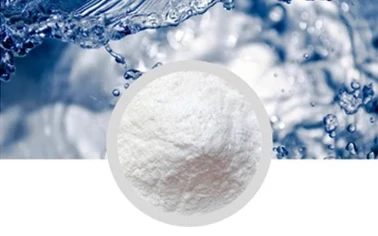
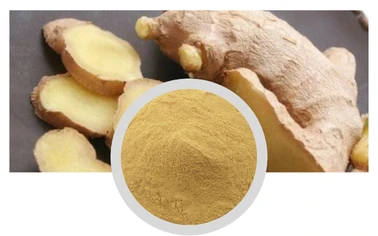
Simply put, tartary buckwheat extract is a concentrated substance obtained by processing the seeds or hulls of the tartary buckwheat plant (Fagopyrum tataricum). Unlike the common buckwheat, tartary buckwheat is known for its higher content of polyphenols, especially rutin. These extracts usually come as powders or tinctures and are incorporated into dietary supplements, functional beverages, or even cosmetics.
In basic industry terms, it’s a botanical active ingredient. For humanitarian needs, it means providing accessible, nutrient-rich supplements in areas suffering from micronutrient deficiencies or food scarcity. It also supports the growing trend toward plant-based, clean-label products sought after by consumers globally.
Key Characteristics of Tartary Buckwheat Extract
1. Antioxidant Power
Its high flavonoid content makes it a strong antioxidant — critical for neutralizing harmful free radicals linked to ageing and chronic diseases.
2. Cardiovascular Support
Rutin, abundant in this extract, has been shown to improve blood vessel function, reducing hypertension and protecting capillaries.
3. Nutritional Richness
Besides flavonoids, the extract packs essential amino acids, vitamins (like B-complex), and minerals, contributing to holistic nutrition.
4. Sustainable Sourcing
Tartary buckwheat is highly tolerant to poor soils and cold climates, making it a sustainable crop for marginal lands.
5. Versatility
Used across food, pharma, and cosmetic industries, demonstrating diverse application potential.
Global Applications: How Tartary Buckwheat Extract Makes a Difference
Across Asia, especially in China and the Himalayan region, the extract is integrated into health tonics and traditional medicines. More recently, supplement brands in Europe and the US have incorporated it into heart health and longevity products.
- Functional Foods and Beverages: Infused into protein bars, teas, and smoothies for natural antioxidant boosts.
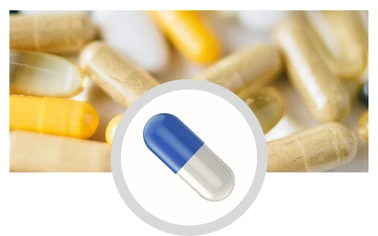
- Pharmaceutical Supplements: Capsule or powder forms targeting cardiovascular wellness.
- Cosmetics: Antioxidant properties are leveraged in anti-aging creams and serums.
- Food Security Programs: NGOs have trialed fortified food blends in remote mountain communities to alleviate micronutrient deficiencies.
Oddly enough, even the pet food industry is experimenting, recognizing benefits for animal health.
Typical Product Specification Table
| Specification | Typical Value | Test Method |
|---|---|---|
| Rutin Content | 3–5% (w/w) | HPLC |
| Moisture | ≤ 8% | Loss on drying |
| Particle Size | 80 mesh (180 µm) | Sieve Analysis |
| Heavy Metals | Complies with USP 232 | ICP-MS |
| Microbial Limits | Within regulatory limits | AOAC |
Advantages & Long-Term Value of Tartary Buckwheat Extract
When many engineers and product formulators try out tartary buckwheat extract, they’re won over by its dual role: health benefits and ethical sourcing. It’s a great fit for brands focused on transparency, naturally because consumers demand more plant-based and functional products these days. The extract’s antioxidant quality means it supports aging well — something many users say feels like a gift from nature rather than a chemical fix.
I suppose the sustainability angle is equally compelling. Since tartary buckwheat can thrive in poor soils, farmers in struggling regions gain income without exhausting the land. On a social level, programs using the extract to boost nutrition in vulnerable groups provide dignity, empowerment, and trust.
Vendor Comparison: Popular Tartary Buckwheat Extract Providers
| Vendor | Rutin % | Certifications | MOQ | Price Estimate |
|---|---|---|---|---|
| Finutra Co. | 4.5% | ISO, GMP, Organic | 500 kg | $$$ |
| Himalaya Extracts | 3.8% | GMP, Organic | 200 kg | $$ |
| Green Fields | 5% | ISO, GMP | 1,000 kg | $$$ |
Emerging Trends and Innovations
Looking ahead, innovation in tartary buckwheat extract is quite exciting. Advanced extraction techniques such as ultrasonic-assisted or supercritical CO₂ extraction are improving purity and yield, while retaining bioactivity. Meanwhile, biotechnologists are exploring how to amplify rutin content through optimized farming or genetic tweaking — nothing too sci-fi, but practical for scaling production sustainably.
Sustainability is another big trend. Companies are partnering directly with remote farming communities to ensure fair trade and organic farming. Digital traceability platforms are increasingly used to guarantee authenticity, which frankly helps cut through a lot of market noise.
Finally, expect to see more integration with digital health apps that personalize nutrition supplementation — tartary buckwheat could become a sought-after ingredient in smart nutrition plans tailored for cardiovascular or metabolic health.
Challenges and How the Industry Is Handling Them
Of course, it’s not all smooth sailing. Variability in quality due to growing conditions and harvest timing remains a challenge. Some producers struggle with consistent rutin content or microbial contamination risks.
Thankfully, standardized testing protocols (ISO/USP aligned) and certification processes are becoming more widespread, helping buyers identify reliable extract sources. I also noticed that innovations in supply chain transparency have reduced the risk of adulteration — which is a relief, considering the growing consumer demand for authentic, clean-label supplements.
FAQ About Tartary Buckwheat Extract
- What health benefits does tartary buckwheat extract provide?
- It mainly offers antioxidant, anti-inflammatory, and cardiovascular support benefits due to its high flavonoid content. It's often used to support healthy blood pressure and improve vascular function.
- How is tartary buckwheat extract sourced sustainably?
- The plant thrives in poor soils and cool climates, reducing the need for pesticides or irrigation. Many suppliers work with small-scale farmers in mountainous regions, promoting organic farming and fair trade.
- Is tartary buckwheat extract safe for long-term consumption?
- Generally yes, when used according to recommended dosages. However, consumers with allergies or on blood-thinner medications should consult healthcare professionals first.
- Can tartary buckwheat extract be used in cosmetic products?
- Yes, its antioxidant properties protect skin from free radicals, making it popular in anti-aging creams and serums.
- How do companies ensure consistent quality of tartary buckwheat extract?
- By following rigorous extraction protocols, employing standardized assays (HPLC for rutin content), and obtaining certifications (ISO, GMP, organic) to guarantee consistency across batches.
Conclusion: Why Tartary Buckwheat Extract Matters Now
All told, tartary buckwheat extract stands out as a fascinating fusion of traditional wisdom and modern science. It delivers tangible health and social benefits, supports sustainable agricultural livelihoods, and aligns strongly with consumer demand for natural, effective, and clean-label ingredients. For businesses and health advocates curious about plant-derived nutraceuticals, it’s worth keeping a close eye on this “super seed.”
If you want to dive deeper or explore buying options, visit our website tartary buckwheat extract for detailed info, supplier contacts, and product samples. Because frankly, sometimes an old crop has the freshest possibilities.
1. Food and Agriculture Organization of the United Nations (FAO), Buckwheat Production Statistics, 2022.
2. Wikipedia contributors. "Fagopyrum tataricum." Wikipedia, The Free Encyclopedia.
3. International Organization for Standardization (ISO), Guidelines for Plant Extract Quality, ISO 9001:2015.
Post time:Nov - 30 - 2025