

What is Polygonum Fagopyrum Seed Extract and Why It Matters
Polygonum fagopyrum seed extract might not ring a bell for everyone, but it’s steadily gaining attention across industries worldwide. Derived from the seeds of the buckwheat plant (Polygonum fagopyrum), this extract boasts a fascinating profile of bioactive compounds with health and industrial potential. Globally, as consumers and manufacturers turn toward natural, plant-based ingredients, understanding this extract’s benefits has become more crucial than ever. From nutritional supplements to skincare and pharmaceutical applications, its multifaceted properties position it as a valuable resource in addressing modern health challenges and sustainability goals.
A Global Snapshot: Why This Natural Extract is In The Spotlight
Why the buzz? Well, the global natural extracts market recently surpassed $43 billion (2023, ISO and market analysts) and buckwheat derivatives are riding that wave. Polygonum fagopyrum seed extract is notable for its rich flavonoid content, antioxidants, and prebiotic fibers — ingredients that major health-conscious markets are chasing.
Meanwhile, shifts toward sustainable sourcing and cleaner label products pressure industries to find safe, effective plant extracts that are scalable. The UN’s Food and Agriculture report highlights the importance of integrating underutilized crops like buckwheat into food and pharma supplies to improve nutrition security globally.
However, a challenge looms large: how to ensure consistent, high-quality extraction processes that keep the bioactive compounds potent while remaining cost-effective. From laboratory to factory floor, many players wrestle with this.
Defining Polygonum Fagopyrum Seed Extract
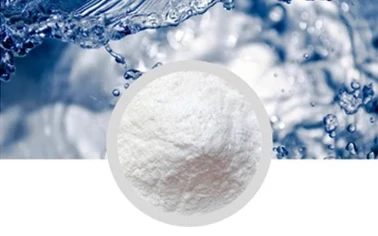
To put it plainly, polygonum fagopyrum seed extract is a concentrated liquid or powder derived from the seeds of the buckwheat plant. The seeds are rich in compounds like rutin, quercetin, and essential amino acids, which lend the extract its therapeutic virtues.
Industrially, this extract serves various uses — as a natural antioxidant in cosmetics, an ingredient in functional foods, and even in traditional and modern medicine. Its connection to humanitarian needs emerges as it offers a locally sourced, nutritional solution in regions facing food scarcity or health deficits.
And yes, you’ll find it tucked inside antioxidant blends, nutraceutical formulas, and sometimes surprisingly in bio-based packaging applications.
Key Attributes That Make Polygonum Fagopyrum Seed Extract Special
Rich Bioactive Compound Profile
The seed extract is notable for its high antioxidant content, especially rutin, which offers anti-inflammatory and vascular benefits. Many pharmacists and food scientists favor rutin-rich extracts for their proven bioactivities.
Sustainability & Local Cultivation
Buckwheat thrives in marginal soils with minimal fertilizer, making its seed extract a sustainable alternative to synthetic ingredients. It fits well with green certification schemes (like ISO 14000) and supports local farmers, especially in Eastern Europe and parts of Asia.
Cost Efficiency in Production
Compared to rarer medicinal plants, buckwheat seeds are relatively affordable and accessible. Modern extraction methods, including supercritical CO2 and ethanol extraction, ensure efficiency without compromising the integrity of key flavonoids.
Compatibility & Versatility
The extract’s solubility and low allergenic potential make it adaptable for foods, beverages, supplements, and topical cosmetics alike. For instance, it mixes well into creams for enhanced antioxidant protection without destabilizing the formula.
Regulatory Approvals & Safety
Being a naturally derived ingredient consumed for centuries, polygonum fagopyrum seed extract has reassuring safety profiles, with many regulatory bodies (e.g., FDA, EFSA) listing it as Generally Recognized As Safe (GRAS) in specified uses.
Applications Around the Globe: From Food to Pharma and Beyond
You’ll spot polygonum fagopyrum seed extract popping up in various sectors:
- Nutrition & Supplements: Functional food companies in Japan and Europe incorporate it for vascular support supplements.
- Cosmetics Industry: Brands capitalize on its antioxidant properties to boost skin barrier protection — especially in anti-aging serums.
- Pharmaceuticals: It finds a role in natural remedies for managing hypertension and inflammation.
- Food Industry: As a natural preservative or additive improving fiber content and digestibility.
- Emerging Uses: Exploring bio-based packaging and biodegradable films owing to its polymer compatibility.
Regions like Eastern Europe, China, and North America lead the commercial use, with research hubs developing extraction tech and formulating innovative products.
Example Use Case:
In Ukraine, smallholder farmers produce buckwheat for seed extraction, supplying nutraceuticals companies keen on clean-label ingredients. This supply chain has helped revitalize rural economies while meeting rising international demand. Notably, a cosmetics brand recently launched an anti-pollution facial cream featuring this extract, scaling rapidly in European markets.
Advantages & Long-Term Value of Polygonum Fagopyrum Seed Extract
It’s no surprise producers and consumers alike are warming up to this extract, and not just because it’s “natural.” Its benefits are tangible:
- Health and Wellness: Scientifically backed antioxidant and vascular health effects appeal directly to aging populations.
- Sustainability: Low environmental footprint thanks to buckwheat's farming traits.
- Economic Impact: Supports local agriculture and fair-trade initiatives, fostering social dignity in rural communities.
- Reliability: Consistent quality and safety reassure formulators across industries.
- Innovation Catalyst: Unlocks new product lines in clean-label foods and cosmeceuticals.
Frankly, it’s a win-win for everyone involved — growers, manufacturers, and end-users — feeding a positive feedback loop of health and sustainability.
Polygonum Fagopyrum Seed Extract Specification Table
| Parameter | Typical Value | Method |
|---|---|---|
| Appearance | Dark brown powder | Visual |
| Rutin Content | ≥ 5% w/w | HPLC |
| Moisture | ≤ 8% | Loss on Drying |
| Ash Content | ≤ 3% | Gravimetric |
| Microbial Limits | USP |
Comparing Top Vendors for Polygonum Fagopyrum Seed Extract
| Vendor | Extraction Method | Rutin % | Price per kg (USD) | Certifications |
|---|---|---|---|---|
| Herbal Solutions Ltd. | Ethanol Extraction | 5 - 7% | $120 | ISO 9001, GMP |
| NatureXtract Co. | Supercritical CO₂ | 6 - 8% | $145 | Organic, ISO 22000 |
| GreenLeaf Botanicals | Water/Ethanol Mix | 5% | $110 | GMP, Kosher |
Looking Ahead: Trends and Innovations
Polygonum fagopyrum seed extract is poised to ride several exciting waves:
- Green Extraction Techniques: Methods minimizing solvent use and energy, such as enzyme-assisted extractions.
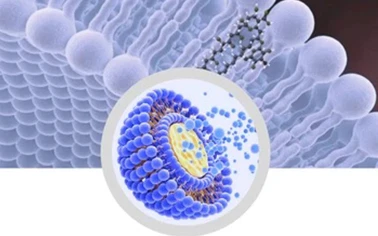
- Nanoencapsulation: For enhanced bioavailability in supplements and topical products.
- Multi-Ingredient Formulations: Combining with probiotics or other botanicals for synergistic effects.
- Regulatory Advances: More streamlined approvals globally will push market expansion.
Oddly enough, the push for climate-resilient crops could drive more interest in buckwheat-derived ingredients, given its hardy growing conditions.
Challenges and Solutions
Despite its promise, several bottlenecks remain:
- Standardization: Variability in flavonoid content due to seed source and processing methods.
- Supply Chain: Limited cultivation areas can constrain volumes and lead to price fluctuations.
- Consumer Awareness: Many end-users still don’t recognize buckwheat seed extract’s value.
Innovation in seed breeding for uniform quality, along with transparent supply chains and strong educational marketing, can tackle these issues effectively.
FAQ: Common Questions on Polygonum Fagopyrum Seed Extract
- Q1: What health benefits does polygonum fagopyrum seed extract offer?
- A1: It’s rich in antioxidants like rutin, which supports cardiovascular health, reduces inflammation, and promotes skin vitality. Its fiber content may also aid digestion. Clinical studies back these claims, though dosage and formulation methods influence outcomes.
- Q2: Is this extract safe for use in cosmetics and supplements?
- A2: Yes, it has a proven safety profile and is generally recognized as safe (GRAS) when used within recommended limits. Always check vendor certificates to ensure purity and absence of contaminants.
- Q3: How does the extraction method affect the quality?
- A3: Extraction impacts compound concentration and stability. Supercritical CO₂ extraction tends to yield purer, higher rutin content with fewer residual solvents compared to traditional ethanol methods, but is costlier.
- Q4: Can polygonum fagopyrum seed extract support sustainable farming?
- A4: Definitely. Since buckwheat can grow on less fertile land with minimal inputs, promoting its farming supports sustainable agriculture and livelihood diversification in rural areas.
- Q5: Where can I source high-quality polygonum fagopyrum seed extract?
- A5: Reliable suppliers include certified botanical ingredient companies specializing in natural extracts. Compare certifications, extraction methods, and reviews to select the best fit for your application.
Conclusion: A Natural Solution Worth Watching
Polygonum fagopyrum seed extract represents more than just a plant-derived ingredient — it embodies a convergence of tradition, science, and sustainability. Those tapping into its benefits unlock new opportunities across nutrition, wellness, and green innovation.
If you're curious or ready to explore the potential of this versatile extract, dive deeper at polygonum fagopyrum seed extract suppliers and innovators for tailored solutions to your industry’s needs.
At the end of the day, it’s about harnessing what nature offers with a mindful eye on tomorrow. And honestly, isn’t that what every good product or partnership should do?
References:
Post time:Nov - 30 - 2025