In the evolving landscape of global wellness, ashwagandha root extract has emerged as a cornerstone of adaptogenic support, bridging the gap between ancient Ayurvedic wisdom and modern pharmacological rigor. As the global population faces unprecedented levels of chronic stress and burnout, the demand for natural compounds that modulate the endocrine system has surged, placing this potent botanical at the forefront of the nutraceutical industry. Understanding the biochemistry and application of this extract is essential for manufacturers and consumers alike who seek a sustainable approach to mental and physical homeostasis.
From a manufacturing perspective, the production of high-purity ashwagandha root extract involves sophisticated extraction techniques designed to preserve the integrity of withanolides—the active steroidal lactones responsible for its therapeutic effects. The global market for adaptogens is expanding rapidly, driven by a shift toward preventative healthcare and the integration of "functional foods" into daily diets. This trend is not merely a fad but a response to a systemic need for stress-management tools that offer long-term reliability without the adverse side effects associated with synthetic alternatives.
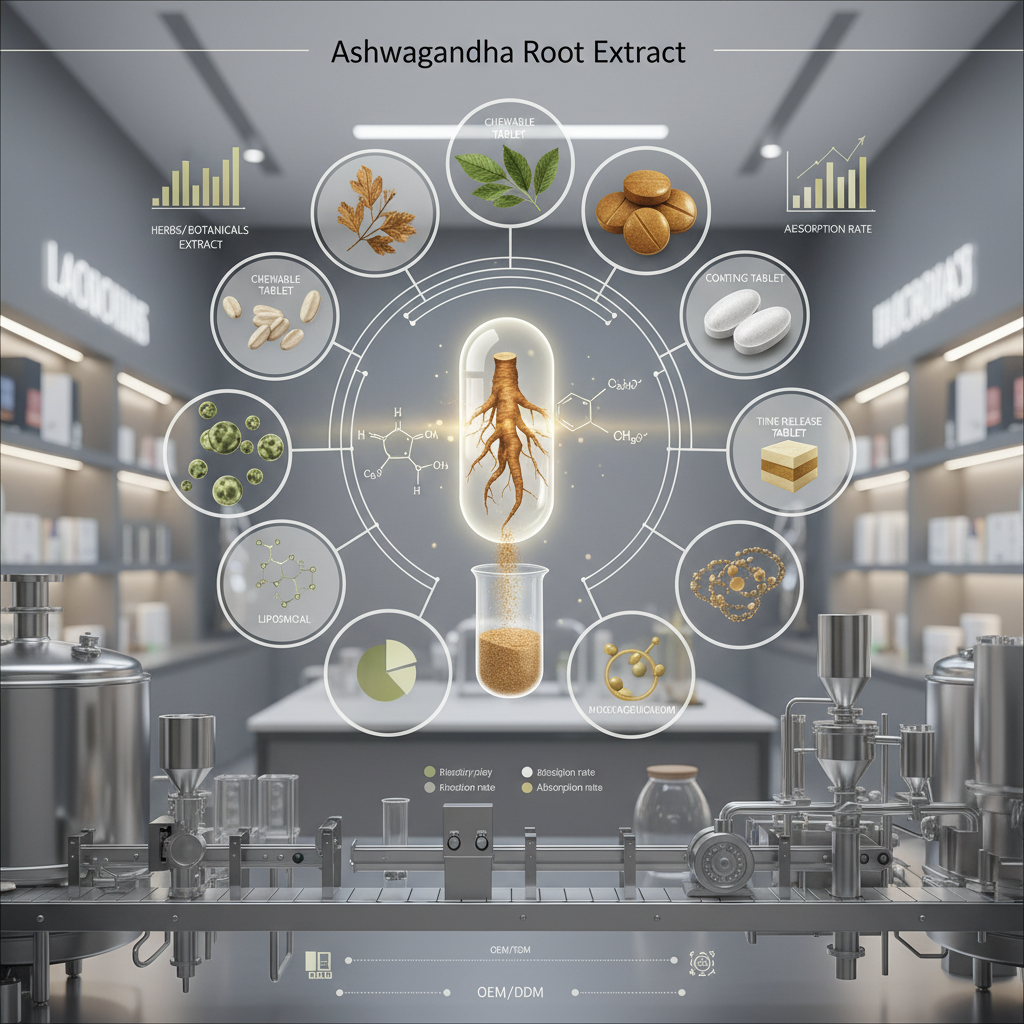
The significance of this extract extends beyond simple supplement tablets; it is now being integrated into diverse formats, including liposomal delivery systems, chewable tablets, and specialized coatings to enhance bioavailability. By optimizing the extraction process and ensuring standardized concentrations of active markers, the food and health supplement industry can provide consistent, evidence-based solutions for cortisol regulation and cognitive enhancement. This comprehensive guide explores the technical, commercial, and clinical dimensions of this extraordinary botanical.
Global Market Relevance of Ashwagandha Root Extract
The global demand for ashwagandha root extract has seen an exponential rise, mirroring the broader trend toward holistic health. According to market analysis and health data trends, the prevalence of stress-related disorders has increased globally, prompting a shift toward adaptogens that help the body "adapt" to stressors. This has transformed a traditional Ayurvedic remedy into a multi-million dollar industrial sector, with North America and Europe becoming primary hubs for consumption.
However, the rapid scaling of production has introduced challenges regarding sustainability and authenticity. With the surge in demand, the industry must navigate the complexities of raw material sourcing to prevent over-harvesting of wild Withania somnifera. The integration of ISO standards and GMP (Good Manufacturing Practices) in the production of this extract is no longer optional but a necessity to ensure that the end-consumer receives a product free from contaminants and rich in active withanolides.
Definition and Bioactive Composition
At its core, ashwagandha root extract is a concentrated form of the bioactive compounds found in the roots of the Withania somnifera plant. Unlike simple root powders, an "extract" undergoes a solvent-based process to isolate and concentrate specific molecules, primarily withanolides. These steroidal lactones act as the primary drivers of the plant's pharmacological activity, interacting with the hypothalamic-pituitary-adrenal (HPA) axis to lower cortisol levels.
In the context of modern nutritional science, this extract serves as a biological regulator. By mimicking certain neurotransmitters, such as GABA, it helps in reducing neuronal excitability, which translates to a calming effect on the central nervous system. This makes it an invaluable tool for those struggling with insomnia, anxiety, and cognitive fatigue in high-pressure industrial or academic environments.
Furthermore, the connection between this botanical and humanitarian health needs is evident in its accessibility. As a plant-based solution, it offers a scalable way to address mental wellbeing in regions where psychiatric medication may be prohibitively expensive or stigmatized. The transition from a raw root to a standardized extract allows for precise dosing, ensuring that the health benefits are reproducible and scientifically verifiable.
Core Technical Factors for Quality Extraction
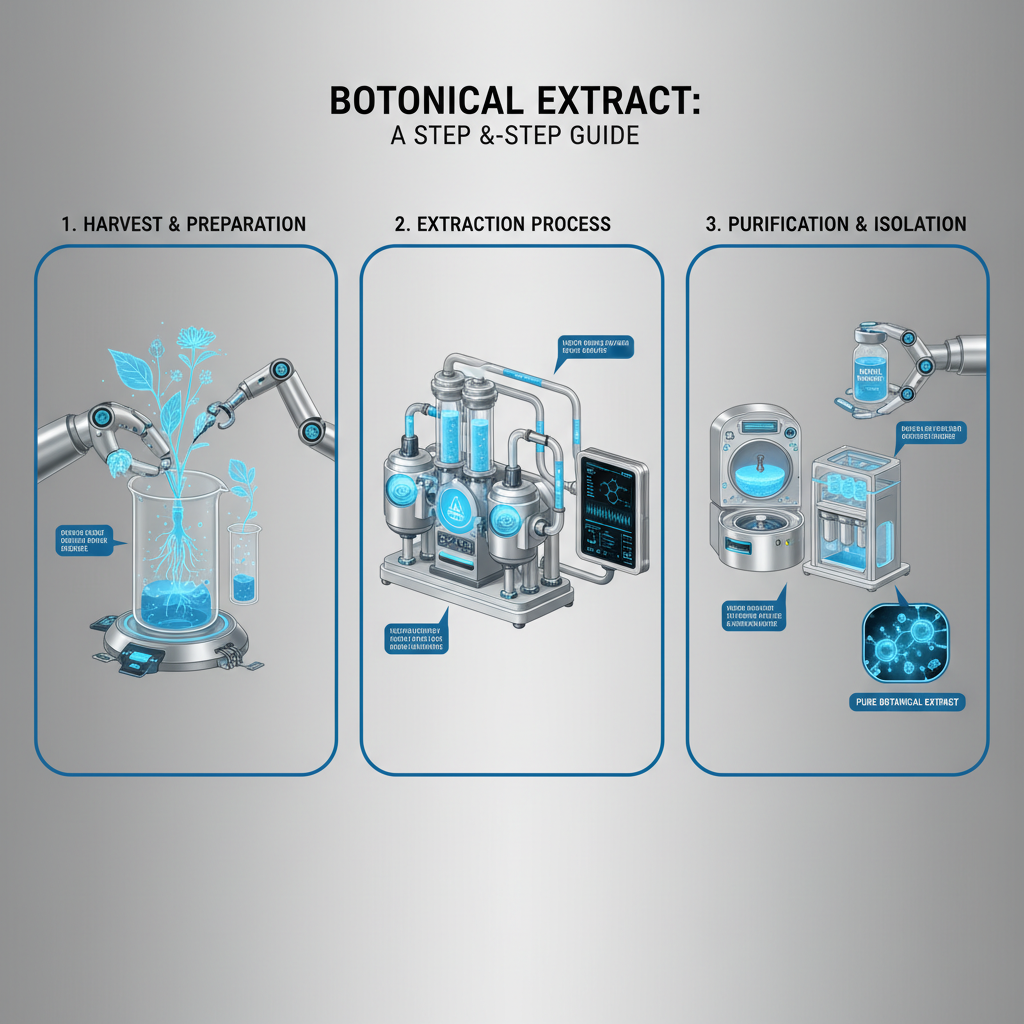
The efficacy of ashwagandha root extract depends heavily on the extraction method used. Solvent selection—whether using ethanol, water, or supercritical CO2—determines the final profile of withanolides. A high-quality extract must maintain a balance between potency and purity, ensuring that the removal of unwanted plant waxes and fibers does not degrade the sensitive active compounds.
Scalability and cost-efficiency are critical for industrial production. Manufacturers must employ advanced filtration and spray-drying technologies to transform liquid extracts into stable, free-flowing powders. This process allows the ashwagandha root extract to be easily integrated into various delivery formats, such as chewable tablets or liposomal capsules, without compromising its shelf-life or bioactive potency.
Finally, standardization is the gold standard of the industry. A professional extract is not labeled by weight alone but by the percentage of withanolides (e.g., 5% or 2.5%). This ensures that regardless of the harvest year or soil quality of the raw material, the final pharmaceutical or nutritional product provides a consistent therapeutic dose to the user, maintaining trust and safety in the brand.
Global Applications and Industrial Use Cases
The versatility of ashwagandha root extract allows it to penetrate multiple sectors of the health industry. In the pharmaceutical realm, it is used as a complementary therapy for stress-induced hypertension. In the sports nutrition market, it is highly valued for its ability to increase muscle recovery and strength by reducing exercise-induced oxidative stress, making it a staple in high-performance athlete supplements.
Beyond tablets, we see innovative applications in "nutricosmetics," where the extract is added to skincare to combat cortisol-induced skin aging. In remote industrial zones or high-stress corporate environments, functional beverages infused with this extract are being used to enhance focus and resilience without the jitteriness associated with high caffeine intake.
Comparative Efficacy of Ashwagandha Root Extract Delivery Methods
Long-term Value and Therapeutic Advantages
The long-term value of incorporating ashwagandha root extract into a wellness regimen lies in its cumulative effect. Unlike stimulants that provide a temporary peak and a subsequent crash, adaptogens work to recalibrate the body's internal thermostat. Over time, this leads to improved sleep quality, a stabilized mood, and a more robust immune response, which collectively reduce the long-term risk of stress-related chronic diseases.
From a social and emotional perspective, the use of this extract fosters a sense of resilience and dignity. By empowering individuals to manage their mental health naturally, it reduces dependence on harsh chemicals and promotes a proactive approach to wellbeing. The reliability of a standardized extract ensures that this transformation is based on science rather than anecdote, building deep trust between the manufacturer and the consumer.
Future Trends in Adaptogenic Innovation
The future of ashwagandha root extract is inextricably linked to the digital transformation of agriculture and biotechnology. We are seeing the rise of "Precision Farming," where AI-driven soil analysis is used to maximize the withanolide content of the roots before they even reach the extraction facility. This ensures a higher baseline potency and reduces the amount of solvent required during the industrial process.
Moreover, the industry is moving toward "Green Chemistry." The replacement of traditional organic solvents with supercritical fluid extraction (SFE) using CO2 is becoming more common. This not only removes toxic residues from the final product but also aligns with the global push for sustainability and eco-friendly manufacturing, making the extract more appealing to the conscious, Gen-Z consumer.
We also anticipate the development of "Smart Supplements," where ashwagandha root extract is combined with other synergistic botanicals via microencapsulation. This allows for a time-release mechanism, ensuring that the adaptogenic support is delivered consistently throughout a 24-hour cycle, mirroring the natural rhythm of the human endocrine system.
Overcoming Challenges in Botanical Standardization
One of the primary challenges in the production of ashwagandha root extract is the natural variability of the raw material. Factors such as altitude, rainfall, and soil mineral content can cause the withanolide levels to fluctuate wildly. To overcome this, leading manufacturers are implementing strict "Fingerprinting" techniques using HPLC (High-Performance Liquid Chromatography) to ensure every batch meets a precise chemical profile.
Another hurdle is the potential for adulteration, where cheaper fillers or different plant species are mixed with the genuine root. The solution lies in the adoption of blockchain-enabled traceability, allowing buyers to trace the extract from the specific farm in India or Africa all the way to the final packaging facility. This transparency is crucial for maintaining the integrity of the supply chain.
Lastly, the issue of bioavailability—how much of the extract actually reaches the bloodstream—remains a focal point. Innovative solutions like the use of phospholipids to create liposomal versions of the extract are overcoming the hydrophobic nature of withanolides, significantly increasing the efficacy of lower doses.
Comparative Analysis of Ashwagandha Extraction Standards and Quality Metrics
| Extraction Method |
Withanolide Yield |
Environmental Impact |
Purity Score (1-10) |
| Water Extraction |
Low to Medium |
Very Low |
6 |
| Ethanolic Solvent |
High |
Medium |
8 |
| Supercritical CO2 |
Very High |
Low |
10 |
| Cold Press Method |
Low |
Low |
5 |
| Steam Distillation |
Medium |
Medium |
7 |
| Ultrasonic Assisted |
High |
Medium |
9 |
FAQS
Standardized extracts are processed to guarantee a specific percentage of active withanolides, whereas raw powder varies significantly between batches. This means an extract provides a consistent, predictable dose of the therapeutic compounds, ensuring the user gets the same clinical benefit every time they use the product.
Yes, thanks to advanced microencapsulation and flavor-masking technologies, the extract can be integrated into functional drinks, protein bars, and gummies. Manufacturers typically use a spray-dried powder format to ensure solubility and stability without altering the taste profile of the food product.
While some users report an immediate calming effect, the true adaptogenic benefits—such as lowered cortisol and improved sleep—typically manifest after 2 to 8 weeks of consistent daily use. This is because the extract works by gradually modulating the HPA axis rather than forcing a chemical change.
For most healthy adults, standardized extracts are safe for several months. However, it is generally recommended to cycle the supplement (e.g., 8 weeks on, 2 weeks off) to prevent the body from developing a tolerance and to allow the endocrine system to maintain its own natural balance.
Purity is ensured through a combination of GMP-certified facilities, third-party lab testing for heavy metals and pesticides, and HPLC analysis to verify the withanolide content. Sourcing from organic-certified farms also reduces the risk of synthetic contaminant infiltration.
While both contain withanolides, root extract is the traditional form used for stress and anxiety. Leaf extracts often have a different chemical profile and can be more potent in certain areas but may not provide the same grounding, adaptogenic effect as the root extract.
Conclusion
The journey of ashwagandha root extract from a traditional herb to a global industrial powerhouse underscores the growing convergence of nature and science. By focusing on standardization, sustainable sourcing, and innovative delivery systems, the nutraceutical industry has unlocked a potent tool for combating the modern epidemic of stress. The key to its long-term success lies in maintaining the rigorous quality standards that transform a simple botanical into a reliable pharmaceutical-grade ingredient.
Looking ahead, the integration of AI-driven agriculture and green chemistry will further refine the potency and purity of this extract, making mental resilience accessible to millions. For manufacturers and brands, the opportunity lies in creating transparent, science-backed products that empower consumers to take control of their health. To explore high-quality, standardized adaptogenic solutions, visit our website: www.finutra.com.