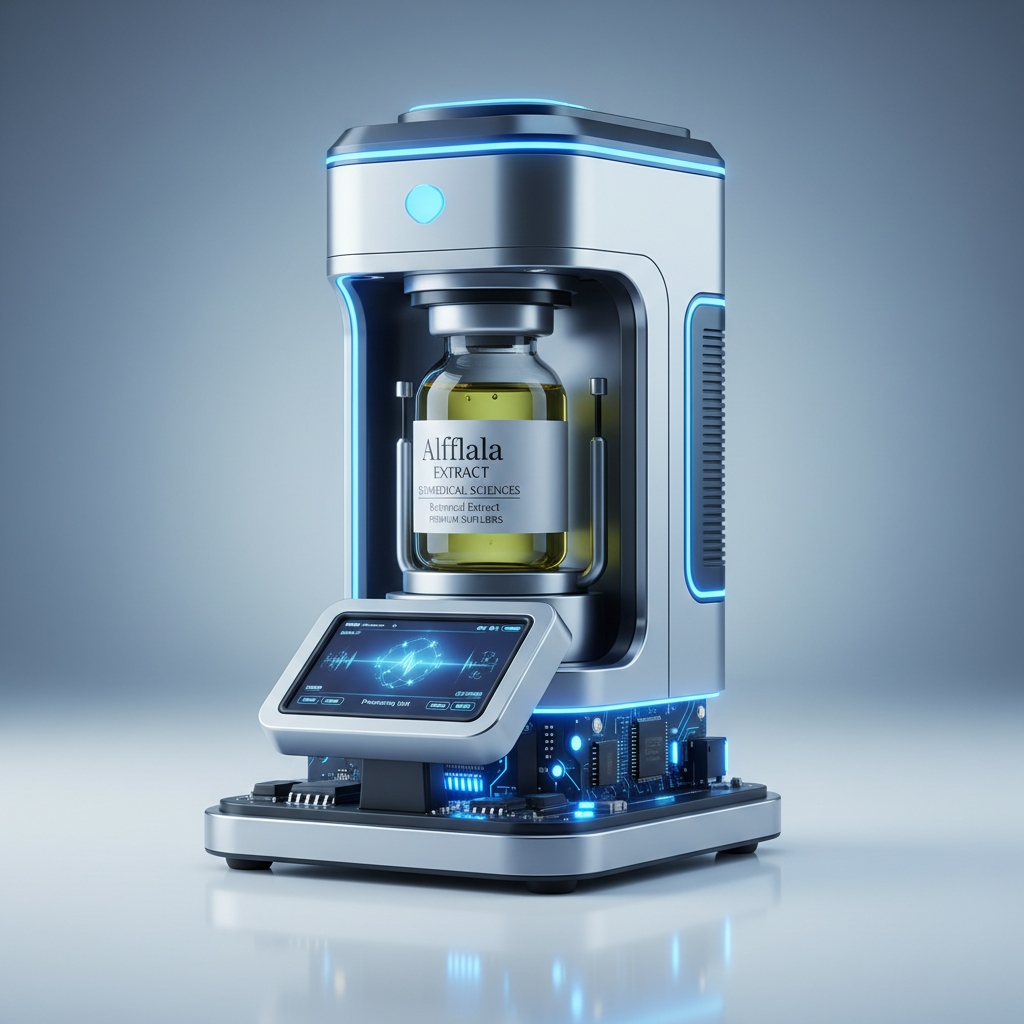
The global demand for natural adaptogens has surged as modern society grapples with unprecedented levels of stress and burnout. Among these, pure ashwagandha root stands out as a cornerstone of Ayurvedic tradition, now validated by contemporary pharmacological research for its ability to modulate the body's stress response. By targeting the hypothalamic-pituitary-adrenal (HPA) axis, this botanical powerhouse helps the body maintain homeostasis, making it an essential ingredient in the evolving landscape of nutraceuticals and functional foods.
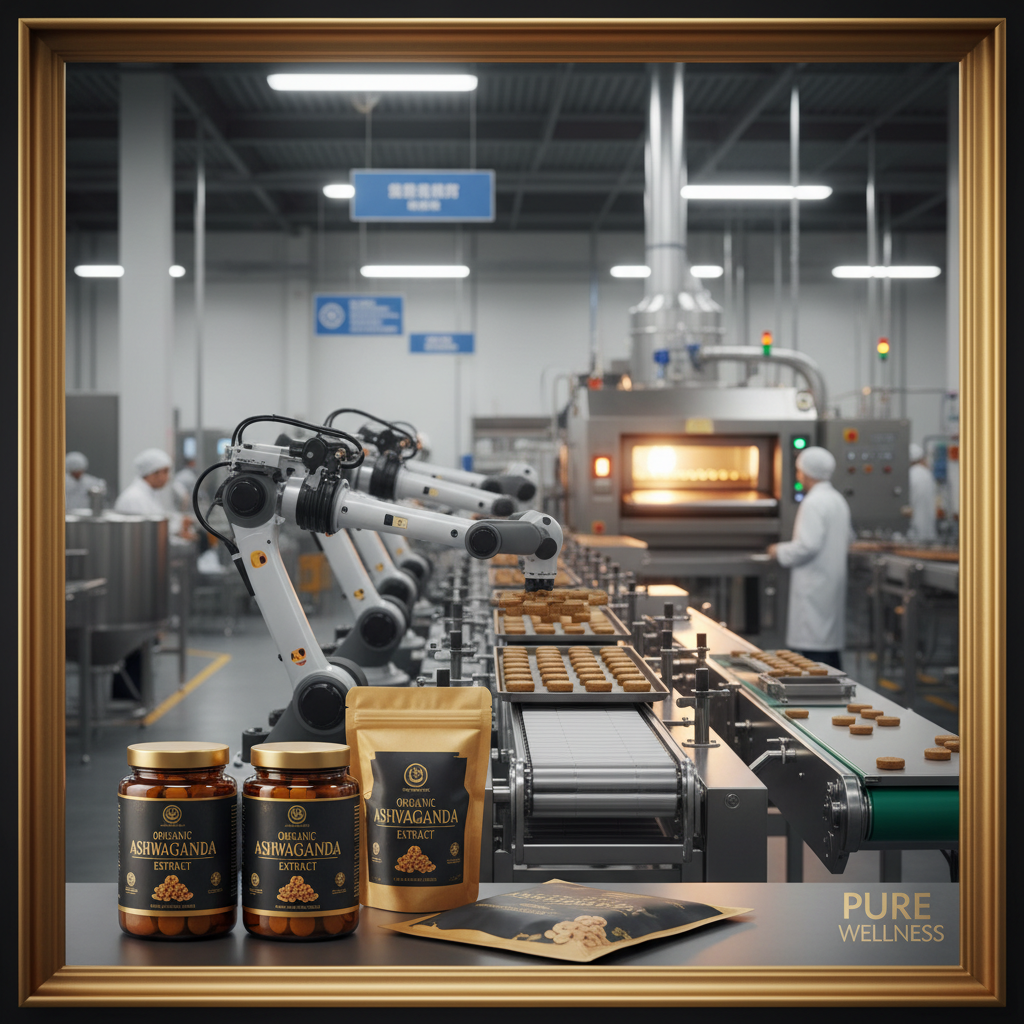
From a manufacturing perspective, the transition toward high-purity botanical extracts reflects a broader industry shift toward transparency and efficacy. The utilization of pure ashwagandha root in pharmaceutical-grade supplements ensures that consumers receive a standardized concentration of withanolides—the active compounds responsible for its therapeutic effects. This rigor in sourcing and processing is what separates premium health products from generic alternatives in a crowded global market.
Understanding the complexities of this root is not merely about identifying a trend, but about appreciating the intersection of ethnobotany and modern science. Whether integrated into chewable tablets, liposomal delivery systems, or traditional powders, the versatility of this extract allows for diverse application across the health and wellness spectrum. As we dive deeper into its properties, the value of maintaining purity in the supply chain becomes evident for both the manufacturer and the end-user.
The Botanical Profile of Pure Ashwagandha Root
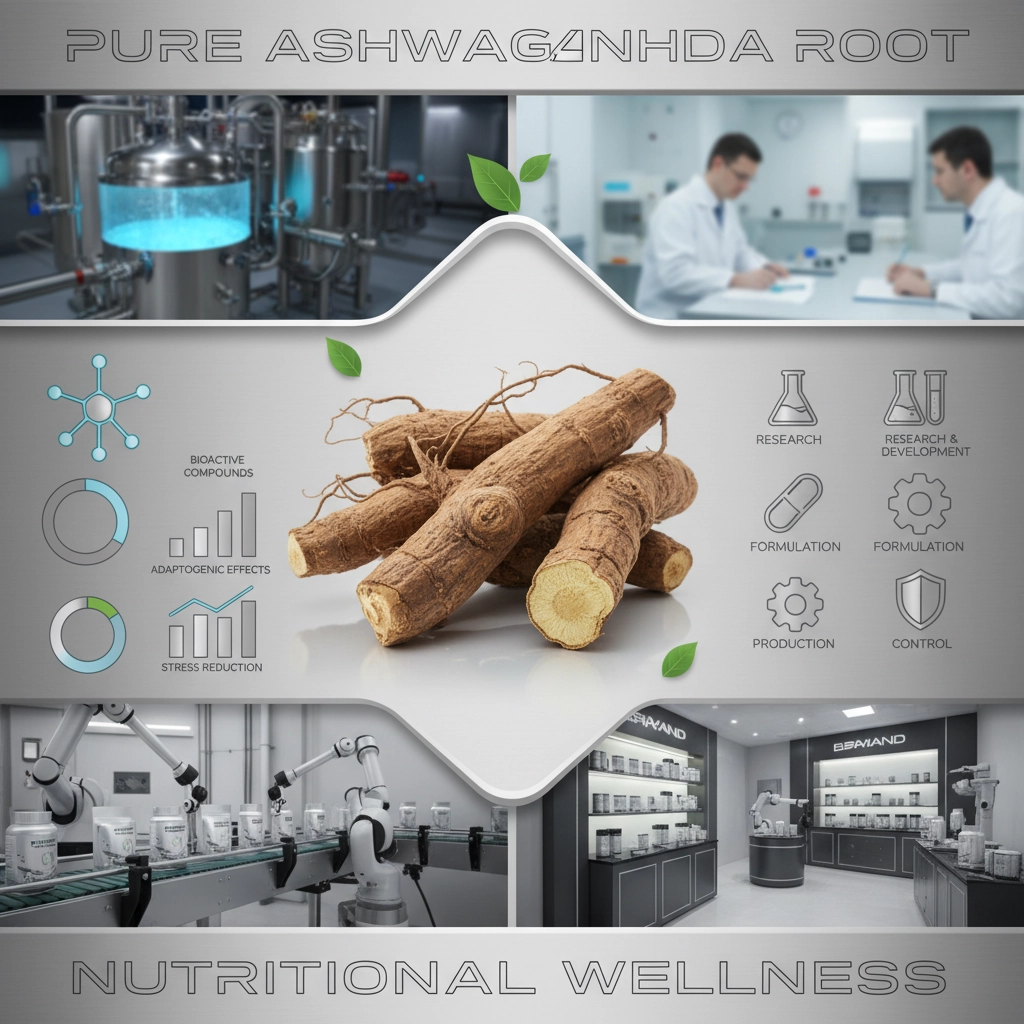
Withania somnifera, commonly known as pure ashwagandha root, is a perennial shrub native to the dry regions of India, North Africa, and the Middle East. The root is the most prized part of the plant, containing a complex array of steroidal lactones known as withanolides, which contribute to its potent adaptogenic properties. In the food manufacturing sector, isolating these compounds while preserving the holistic synergy of the root is the primary technical challenge.
Modern botanical science focuses on the "fingerprint" of the root, ensuring that the chemical composition remains consistent regardless of the harvest season or geographical origin. By utilizing advanced chromatography, manufacturers can verify that the pure ashwagandha root is free from contaminants and adulterants, providing a safe and reliable base for high-end health supplements.
Industrial Standards for Extraction and Purity
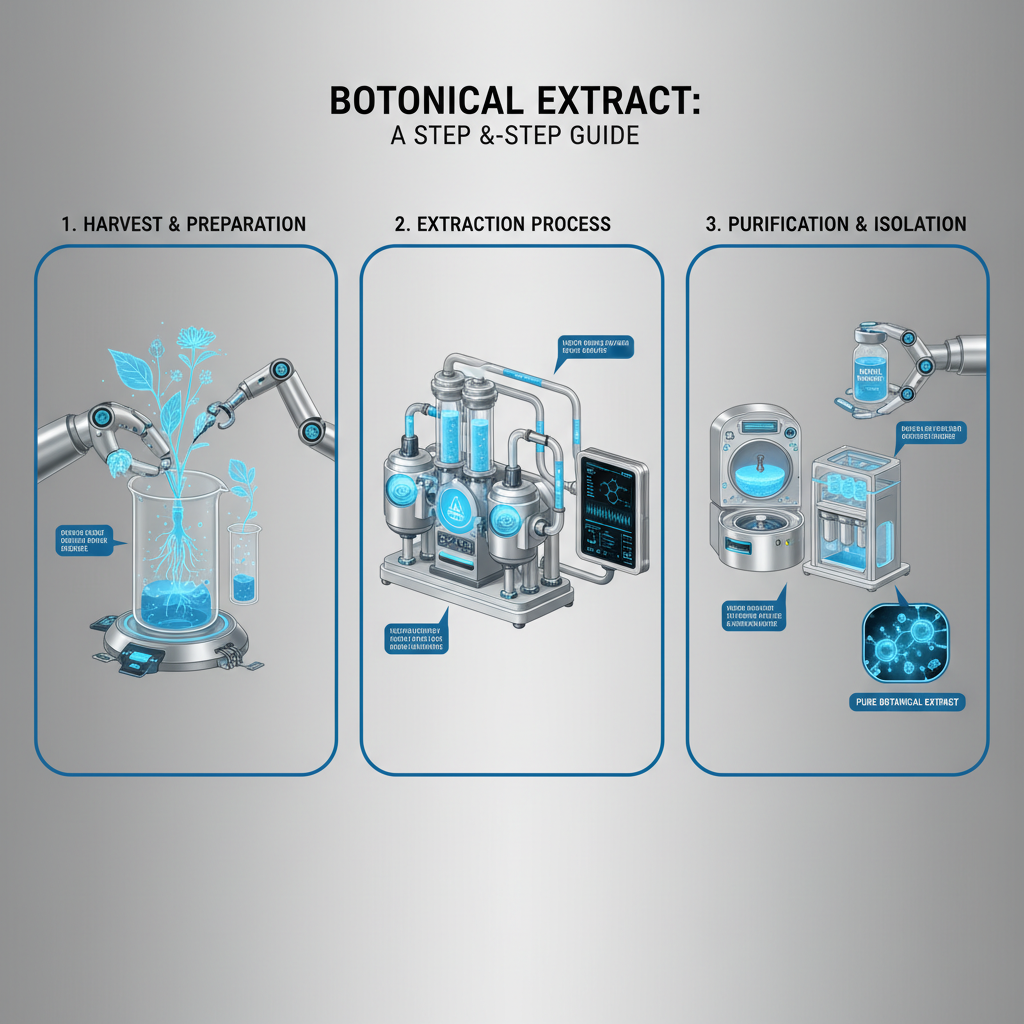
Achieving a truly "pure" extract requires a sophisticated approach to solvent selection and temperature control. The industry typically employs CO2 supercritical extraction or ethanol-based methods to isolate the active constituents of pure ashwagandha root without degrading the heat-sensitive withanolides. This precision ensures that the resulting powder maintains a high bio-activity profile, which is critical for pharmaceutical-grade applications.
Contamination control is another pillar of industrial purity. Given that roots grow in soil, the risk of heavy metal accumulation (such as lead or cadmium) is a significant concern. Leading manufacturers implement rigorous ICP-MS (Inductively Coupled Plasma Mass Spectrometry) testing to ensure that every batch of pure ashwagandha root adheres to ISO and FDA safety standards, ensuring consumer trust and regulatory compliance.
Furthermore, the standardization process involves adjusting the extract to a specific percentage of withanolides (usually 2.5% to 5%). This standardization allows formulation scientists to calculate precise dosages, ensuring that the final product—whether it be a coating tablet or a liposomal liquid—delivers a consistent therapeutic effect to the end user across millions of units.
Therapeutic Mechanisms and Biological Impact
The primary biological value of pure ashwagandha root lies in its ability to reduce cortisol levels. By modulating the adrenal glands, it prevents the "over-firing" of the stress response, which in turn protects the brain and heart from the chronic damage associated with long-term anxiety and hypertension.
Beyond stress management, the pharmacological profile of pure ashwagandha root includes potent anti-inflammatory and neuroprotective properties. It supports cognitive function by reducing oxidative stress in the hippocampus, making it an increasingly popular ingredient in "nootropic" blends designed to enhance focus and memory.
From a metabolic standpoint, the root has been shown to improve insulin sensitivity and support healthy glucose levels. This multifaceted impact makes pure ashwagandha root a versatile asset for manufacturers creating specialized health products for aging populations or athletes seeking faster recovery times.
Comparative Efficacy of Different Delivery Formats
The effectiveness of pure ashwagandha root is heavily influenced by how it is delivered to the body. Traditional powders offer a whole-food approach but may suffer from low bioavailability. In contrast, microencapsulation and liposomal delivery systems wrap the active molecules in lipids, protecting them from gastric degradation and enhancing absorption in the small intestine.
For consumers seeking convenience, chewable tablets and time-release coatings provide a controlled release of the active ingredients. This ensures a steady plasma concentration of withanolides throughout the day, avoiding the "peak and valley" effect common with standard extracts. Each format serves a different market segment, from the hardcore biohacker to the casual wellness enthusiast.
Comparative Bioavailability of Pure Ashwagandha Root Formats
Global Market Applications and Use Cases
In North America and Europe, pure ashwagandha root is primarily utilized in the "stress-relief" and "sleep-aid" categories. We see it integrated into premium OEM/ODM gummy formulations and capsule lines that target corporate professionals facing high-pressure environments. The trend here is shifting toward "clean label" products where purity and organic certification are the main selling points.
Meanwhile, in the Asia-Pacific region, the application is more holistic, often blended with other herbs and botanicals in traditional tonics. In the cosmetic industry, extracts of pure ashwagandha root are being explored for their anti-aging and skin-protective properties, leveraging the antioxidant capacity of withanolides to combat UV-induced damage in high-end skincare serums.
Sustainability and Ethical Sourcing in Manufacturing
As the demand for pure ashwagandha root grows, the risk of over-harvesting wild populations becomes a critical concern. Ethical manufacturing now requires a transition toward sustainable cultivation practices. By implementing regenerative farming and supporting local growers in India, companies can ensure a stable supply chain while preventing the degradation of natural biodiversity.
Transparency in the supply chain is no longer optional. Consumers now demand to know where their pure ashwagandha root comes from and how the farmers were compensated. Implementing blockchain-based tracking from the field to the final capsule allows brands to prove the authenticity and ethical origin of their raw materials, adding immense brand equity.
Moreover, green chemistry is revolutionizing the extraction process. By replacing harsh chemical solvents with water-based or CO2-based systems, manufacturers reduce the environmental footprint of producing pure ashwagandha root extracts. This alignment with ESG (Environmental, Social, and Governance) goals makes the product more attractive to the modern, eco-conscious investor and consumer.
Future Innovations in Adaptogenic Formulations
The future of pure ashwagandha root lies in personalized nutrition. With the rise of AI-driven health diagnostics, we anticipate the development of customized supplement blends where the dosage of ashwagandha is adjusted based on an individual's real-time cortisol levels and genetic markers. This shift from "one size fits all" to precision dosing will maximize the therapeutic window of the root.
Technologically, the integration of 3D food printing and advanced nutrient delivery systems will allow pure ashwagandha root to be incorporated into functional snacks with zero taste alteration. The naturally bitter profile of the root is currently a challenge for flavorists; however, new microencapsulation techniques are effectively masking these notes while preserving the full biological potency.
Finally, we expect to see a convergence of adaptogens and digital health. Imagine a wearable device that detects a stress spike and prompts the user to take a fast-acting, liposomal dose of pure ashwagandha root』. This synergy between biotechnology and digital health will redefine how we manage mental wellness in the 21st century.
Technical Analysis of Pure Ashwagandha Root Quality Metrics
| Extraction Method |
Withanolide Yield |
Purity Score (1-10) |
Environmental Impact |
| Water Extraction |
Low (1-2%) |
7 |
Very Low |
| Ethanol Solvent |
Medium (3-5%) |
8 |
Moderate |
| Supercritical CO2 |
High (5%+) |
10 |
Low |
| Mechanical Press |
Very Low (<1%) |
6 |
Negligible |
| Acid-Base Extraction |
High (6%+) |
5 |
High |
| Enzymatic Hydrolysis |
Medium (4%) |
9 |
Low |
FAQS
Pure ashwagandha root usually refers to a standardized extract where the active withanolides are concentrated and pollutants are removed. Regular powder is simply the dried, ground root, which contains a much lower and inconsistent percentage of active compounds. For therapeutic results, a standardized pure extract is significantly more effective and predictable.
Look for a Certificate of Analysis (CoA) from the manufacturer. A reputable supplier will provide third-party lab results showing the exact withanolide content, the absence of heavy metals (Pb, Cd, Hg), and the lack of microbial contamination. Testing methods like HPLC (High-Performance Liquid Chromatography) are the industry gold standard for verification.
For most healthy adults, it is safe for several months of use. However, because it modulates the endocrine system, it is recommended to "cycle" the supplement (e.g., 8 weeks on, 2 weeks off) to prevent the body from becoming overly accustomed to the adaptogen. Always consult a healthcare provider if you are on medication for thyroid or blood pressure.
Yes, it is increasingly used in topical serums and creams. Its antioxidant properties help protect the skin from environmental stressors and free radicals. In cosmetics, a hydrophilic extract is usually used to ensure stability and penetration into the dermal layers, providing a "stress-relief" effect for the skin.
Liposomal delivery is currently the most advanced method, as it encapsulates the extract in a phospholipid bilayer that mimics cell membranes, bypassing most of the digestive degradation. For those preferring solids, microencapsulated powders offer a great balance between stability, taste-masking, and high bioavailability.
It acts as an adaptogen by signaling the HPA axis to lower the production of cortisol when levels are chronically elevated. This helps reduce the feeling of anxiety and prevents the physical symptoms of stress, such as muscle tension and sleep disruption, without causing the sedation associated with traditional sedatives.
Conclusion
The integration of pure ashwagandha root into modern health regimens represents a successful bridge between ancient wisdom and scientific rigor. From the precision of supercritical CO2 extraction to the innovation of liposomal delivery, the industry has evolved to ensure that the potent withanolides of the root are delivered safely and effectively. By prioritizing purity, standardization, and ethical sourcing, manufacturers can provide a product that not only manages stress but enhances overall quality of life.
Looking forward, the trajectory of adaptogenic science points toward hyper-personalization and sustainable biotechnology. As we refine our ability to modulate the stress response, the role of high-purity botanicals will only grow in importance. For brands and consumers alike, the commitment to quality in every milligram of pure ashwagandha root is the key to unlocking the full potential of human resilience in an increasingly demanding world. Visit our website: www.finutra.com