

Unlocking the Power of Pepper Concentrate: A Global Overview
At first glance, pepper concentrate might not sound like headline news. But its significance spans culinary, pharmaceutical, and industrial sectors across the world. This highly potent extract derived from black peppercorns is more than just a spicy luxury—it represents a concentrated burst of flavor, active compounds, and health benefits. In real terms, understanding pepper concentrate shines a light on a key ingredient behind many global supply chains, from food processing giants to nutraceutical innovators and even humanitarian aid where shelf stability and intensity matter.
Globally, peppers are cultivated on millions of hectares, generating billions in trade value. According to UN COMTRADE data, black pepper alone accounts for over 500,000 tons annually in international commerce. The challenge? Delivering the intense essence of pepper efficiently while preserving quality and meeting diverse industry needs. Pepper concentrate addresses that by providing concentrated flavor and bioactive components without the bulk of raw pepper—a game changer for food manufacturers, spice blenders, and supplement creators.
Mini takeaway: Pepper concentrate acts as the concentrated essence of black pepper’s magic, with far-reaching impacts across flavor innovation, health products, and industrial uses worldwide.
What Exactly Is Pepper Concentrate?
Pepper concentrate is, simply put, a refined extract made by processing black pepper to capture its most valuable constituents—piperine (the primary alkaloid responsible for pungency), essential oils, and other bioactive compounds—in a condensed form. Instead of using bulky peppercorns or powder, manufacturers extract these components through methods like solvent extraction, supercritical CO2 extraction, or steam distillation.
This concentrate is not only potent in flavor but consistent in quality and shelf life. Industries have embraced pepper concentrate due to its reliability and ease of formulation—especially in fields like pharmaceuticals, where precise dosing matters, or food manufacturing, where streamlined production demands fewer variables.
pepper concentrate thus bridges culinary tradition with modern needs, supporting everything from spicy snacks to dietary supplements targeting metabolism or inflammation modulation.
Key Aspects of Pepper Concentrate You Should Know
1. Potency & Flavor Intensity
Pepper concentrate delivers up to 5 to 10 times the pungency of standard ground pepper, depending on extraction strength. This concentration allows product developers to use less but achieve stronger, more controlled spice notes.
2. Stability and Shelf Life
Unlike whole peppercorns that degrade over time, concentrates—especially those vacuum-sealed or freeze-dried—maintain their aroma and bioactivity for extended periods. This is critical in commercial supply chains where ingredients may travel long distances or face variable storage.
3. Versatility & Application
From liquid extracts to powders, pepper concentrate adapts to many food forms (sauces, meat rubs, beverages) and non-food sectors like cosmetics and pharmaceuticals.
4. Cost Efficiency
Although initially pricier per unit weight, pepper concentrates reduce transportation costs and wastage due to lower volumes and longer storage life.
5. Health and Nutraceutical Benefits
Piperine’s bioavailability enhancement properties are a boon for supplements, aiding nutrient absorption like curcumin, which is why many manufacturers prefer synchronized formulations.
Mini takeaway: Pepper concentrate’s worth lies not just in flavor but in reliability, adaptability, and health-related attributes that modern industries prize.
How Pepper Concentrate Is Changing Global Markets
Regions like Southeast Asia, where pepper is grown extensively, are the primary hubs of concentrate production. Meanwhile, manufacturers in Europe, North America, and increasingly emerging markets like India and Brazil rely on concentrates for streamlined formulation.
- Food Industry: Pepper concentrate enhances sauces, ready meals, and seasonings, reducing reliance on whole pepper and offering uniform flavor.
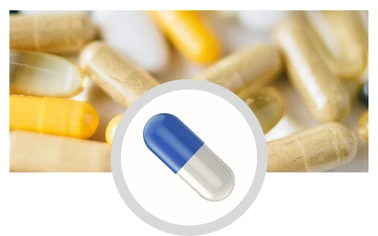
- Pharmaceuticals and Nutraceuticals: Used in pills and capsules for its bioactive piperine, supporting therapeutic efficiency.
- Cosmetics: Incorporated into topical creams for its antioxidant and anti-inflammatory properties.
- Humanitarian Aid & Remote Regions: Concentrates reduce transport volumes of seasoning supplies, crucial in disaster relief packaging or remote food supply chains.
For example, post-disaster relief organizations sometimes include pepper concentrate in ready-to-eat meals, where space and durability matter most. It’s kind of an unsung hero in adding culinary comfort to harsh conditions.
Product Specification Table: Typical Pepper Concentrate Properties
| Specification | Typical Range | Unit |
|---|---|---|
| Piperine Content | 30 - 95% | % w/w |
| Moisture Content | ≤5 | % |
| Color | Dark brown to black | Visual |
| Solubility | Soluble in ethanol and oils | Qualitative |
| Odor | Characteristic pungent aroma | Qualitative |
Comparing Leading Pepper Concentrate Vendors
| Vendor | Extraction Method | Piperine Range | Certifications | Lead Time |
|---|---|---|---|---|
| SpiceExtract Co. | Supercritical CO2 | 85-95% | ISO 22000, HACCP | 2-3 weeks |
| HerbalEssence Ltd. | Solvent Extraction | 40-70% | Organic, GMP | 3-4 weeks |
| Global NutraSupplies | Steam Distillation | 30-50% | ISO, Kosher, Halal | 2 weeks |
Why Pepper Concentrate Makes Long-Term Sense
From a business standpoint, pepper concentrate reduces bulk and waste, improves recipe consistency, and supports food safety by lowering contamination risk. For consumers, it means richer tastes and nutraceutical potency in supplements.
Emotionally, it also fosters trust—knowing your spice has been carefully extracted and standardized rather than haphazardly ground. Plus, sustainability improves since concentrated forms require fewer resources for packaging and shipping, aligning with green manufacturing goals.
On a social level, stable concentrates empower communities in pepper-growing regions to reach global markets, boosting local economies. So it’s not just about taste or pills—it touches livelihoods and sustainability.
Future Trends and Innovations in Pepper Concentrate
Looking ahead, advances in nanotechnology are refining extraction methods to boost purity and reduce solvent use. Digital supply chain tracking and blockchain promise transparency from farm to factory. There’s also a growing push for fully organic and sustainably certified concentrates, as consumers demand cleaner labels.
Some innovators explore combining pepper concentrates with other extracts—like turmeric or ginger—for synergistic health formulations. Green energy-powered extraction plants are cutting the carbon footprint. Altogether, it’s an exciting time for a product so rooted in tradition yet moving fast toward future food and health tech.
Common Hurdles and How Industry Experts Are Navigating Them
Challenges include ensuring consistent piperine levels across batches and developing solvent-free extraction methods to meet regulatory restrictions. Raw material quality can vary seasonally, causing supply fluctuations.
Expert processors invest in advanced analytics and real-time monitoring. Strategic partnerships with pepper farmers secure stable, traceable sources. Plus, many turn to eco-friendly CO2 supercritical methods, which, while costly, deliver purer extracts and appeal to modern markets.
FAQ: Pepper Concentrate in a Nutshell
Q1: What makes pepper concentrate preferable over regular ground pepper?
A1: Pepper concentrate offers more potent flavor and active compounds in less volume, reducing logistics costs and improving formulation consistency. It also has better shelf stability compared to ground pepper, which can lose aroma and potency over time.
Q2: How is pepper concentrate used in supplements?
A2: It provides standardized amounts of piperine, which enhances absorption of other nutrients, such as curcumin. This makes supplements more effective and reliable for consumers.
Q3: Are there any safety concerns with pepper concentrate?
A3: When sourced and processed properly under certifications like ISO and HACCP, pepper concentrate is safe. However, extremely high doses of piperine should be avoided, especially in sensitive individuals.
Q4: Can pepper concentrate be used in vegan and organic products?
A4: Yes. Many vendors offer certified organic and vegan-friendly formulations. Always check vendor certifications to match product requirements.
Q5: What is the typical shelf life of pepper concentrate?
A5: Generally, it ranges from 1 to 3 years if stored in cool, dry conditions and sealed properly, much longer than regular black pepper powder.
In Closing: Why Pepper Concentrate Deserves Your Attention
It might be easy to overlook an ingredient like pepper concentrate—but it quietly empowers flavor innovation, health solutions, and sustainable manufacturing worldwide. For anyone in food tech, supplements, or related fields, understanding how this potent extract works can open fascinating avenues for product development and supply chain optimization.
To explore high-quality pepper concentrate solutions for your business or research needs, visit our website where product details and expert advice await.
Thanks for sticking with me on this spicy journey – sometimes the best stories come from the smallest seeds.
References
Post time:Nov - 27 - 2025