
What Is Blueberry Extract Good For? Unlocking Its Global Potential
If you’ve ever wondered what is blueberry extract good for, you’re in for a treat. Blueberries aren’t just tasty little fruits; their extract packs a punch of bioactive compounds that have caught the eye of health experts, food scientists, and even cosmetic developers worldwide. In fact, beyond the obvious antioxidant buzz, blueberry extract fuels a range of benefits that touch everything from chronic disease management to skin health and cognitive function.
Understanding the potential of blueberry extract matters globally because it reflects a broader push for natural, sustainable nutraceuticals in a health-conscious society. As chronic illnesses rise around the globe and aging populations demand better wellness options, natural plant-based extracts like that of blueberries are stepping into the spotlight. So, before we dive deep — trust me, this juicy topic is more than just berry hype.
Global Context: Why Blueberry Extract Has Become a Worldwide Interest
Globally, the nutraceutical market is surging, forecasted to reach nearly $460 billion by 2030 according to Statista. Blueberry extract rides that wave, credited with helping manage oxidative stress and inflammation — two huge contributors to global health burdens according to the World Health Organization.
In many countries, especially in aging societies like Japan, the U.S., and parts of Europe, there’s a hunger for products that naturally boost brain health, reduce heart disease risks, and support immune function. This hunger coincides oddly with global food systems moving toward greener, antioxidant-rich diets, so blueberry extract fits the bill. However, the challenge lies in standardizing its quality and proving consistent efficacy at scale — a hurdle many botanical extracts face.
Defining Blueberry Extract: What's Inside and What It Means
Simply put, blueberry extract is a concentrated form of the fruit’s bioactive compounds, primarily anthocyanins, flavonoids, and vitamins. These components are extracted—usually by water or alcohol-based methods—to capture the health-promoting antioxidants without all the fuzz and sugars.
In practical terms, blueberry extract is more than a health supplement — it’s a versatile ingredient in food fortification, functional beverages, skincare formulas, and even pharmaceuticals. Its natural origin also appeals to industries moving away from synthetic additives, tying into humanitarian and environmental needs for sustainable, clean-label products.
Breaking Down the Essentials: Core Components of Blueberry Extract
1. Antioxidant Powerhouse
Anthocyanins give blueberry extract its deep blue-purple hue and unfaltering antioxidant activity, scavenging free radicals that contribute to cellular aging and damage.
2. Anti-Inflammatory Potential
Research supports blueberry extract’s ability to curb inflammation, which plays a role in chronic diseases like arthritis, cardiovascular conditions, and neurodegeneration.
3. Cognitive and Cardiovascular Support
Several studies have pointed to improved memory and vascular health thanks to blueberry extract’s influence on blood flow and neuron protection.
4. Skin Health Booster
Thanks to antioxidants and vitamin C, it helps neutralize environment-related skin damage, promoting firmness and reducing visible aging signs.
5. Nutrient Density and Versatility
Blueberry extract maintains many vitamins, minerals, and fiber properties, making it a multi-purpose ingredient across industries.
Mini takeaway: Blueberry extract packs several bioactive compounds that work synergistically across different human health domains—not just a one-trick pony.
Global Applications: Real-World Uses of Blueberry Extract
Blueberry extract’s reach is worldwide:
- Food & Beverage: Fortified drinks and health bars — in the U.S. and Europe, where consumers demand “functional foods.”
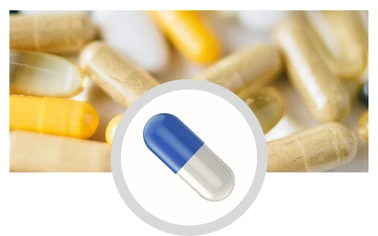
- Dietary Supplements: Capsules supplying antioxidant boosts, especially popular in Japan and Canada’s aging populations.
- Cosmetics & Skincare: The extract’s antioxidant nature makes it a darling ingredient in anti-aging creams developed primarily in South Korea’s booming skincare market.
- Pharmaceutical Research: Clinical trials focusing on neuroprotective benefits happen in North America and parts of Europe.
For instance, in post-harvest food preservation, blueberry extract is experimented with as a natural preservative to replace synthetic chemicals, especially in organic farming sectors.
Product Specification Table: Typical Blueberry Extract Features
| Specification | Typical Range / Detail |
|---|---|
| Anthocyanin Content | 25-40% (by weight) |
| Extraction Method | Water/Ethanol-based |
| Moisture Content | ≤5% |
| Shelf Life | 12-24 months (dry, cool storage) |
| Form | Powder / Liquid Concentrate |
Advantages & Long-Term Value of Blueberry Extract
Frankly, the reasons for blueberry extract’s boom are both logical and emotional:
- Health benefits: Antioxidant and anti-inflammatory effects provide scientifically backed health support, obviously important as lifestyles are fuller but often more stressful.
- Sustainability: Compared to synthetic alternatives, blueberry extract is renewable and often produced via environmentally friendlier processes.
- Consumer trust: People gravitate to natural products — especially when the ingredient stories are transparent and traceable.
- Economic value: It opens new market niches for berry growers and manufacturers, especially as functional foods and supplements soar.
The genuine emotional pull comes from knowing you’re consuming something with a natural origin, connected deeply to traditional diets but also backed by modern science. It feels kind of comforting in a high-tech, chemical-laden world.
Vendor Comparison: Blueberry Extract Suppliers
| Supplier | Anthocyanin Content (%) | Price per Kg | Certification | Region |
|---|---|---|---|---|
| BerryPure Naturals | 35% | $180 | Organic, Non-GMO | North America |
| BlueBio Extracts | 30% | $150 | ISO 22000, Vegan | Europe |
| PureBerry Asia | 38% | $170 | Organic, Halal | Asia |
Future Trends and Innovations in Blueberry Extract Use
Looking ahead, blueprints for blueberry extract suggest exciting developments.
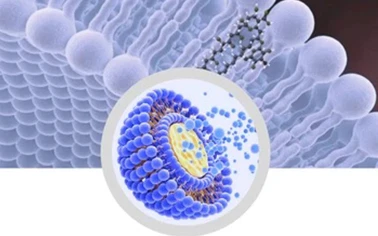
- Enhanced bioavailability: New extraction and encapsulation techniques promise more potent, faster absorbing formulas.
- Green technology: Solvent-free extraction powered by subcritical CO2 is gaining ground for cleaner production.
- Digital personalization: Integration into wearable health tech and AI-driven nutrition plans is anticipated.
Oddly enough, there’s also a mini-movement toward utilizing regional wild blueberry varieties to create distinct extract flavors and health profiles — it’s like terroir for health products. The natural cosmetics field is also eyeing blueberry extract for sustainable anti-pollution skincare solutions.
Challenges & How Industry is Solving Them
Despite the excitement, a few hurdles persist:
- Standardization: Variability in active compounds means suppliers often struggle with consistency.
- Cost: High-quality extracts come at a price, which can deter smaller brands.
- Consumer education: Users sometimes confuse extract benefits with whole fruit nutrition, causing misaligned expectations.
Innovators are tackling these through improved analytic methods (aka, better testing), transparent sourcing disclosures, and blending blueberry extract with complementary ingredients to stretch benefits cost-effectively.
FAQ: What People Usually Ask About Blueberry Extract
Q1: How much blueberry extract should I take daily for antioxidant benefits?
A1: While doses vary, many supplements recommend 100–500 mg of high-anthocyanin blueberry extract daily. However, it's wise to follow product-specific instructions or consult a healthcare professional, especially if you have medical conditions.
Q2: Can blueberry extract replace fresh blueberries in my diet?
A2: Not entirely. While the extract concentrates certain antioxidants, fresh blueberries provide fiber and other nutrients. Ideally, they complement rather than replace each other.
Q3: Is blueberry extract safe during pregnancy?
A3: Generally, moderate consumption is considered safe, but pregnant women should consult their doctors before adding supplements to avoid interactions or excess dosages.
Q4: Does blueberry extract help with memory loss?
A4: Some studies suggest blueberry extract supports cognitive function, especially in aging adults, but it’s not a cure. Its antioxidants may help protect brain cells over time.
Q5: How is blueberry extract best stored to maintain quality?
A5: Keep it in a cool, dry place away from light. Sealed containers and avoiding heat help preserve anthocyanins and prevent degradation.
Wrapping It Up: Why Blueberry Extract Still Matters and What’s Next
So, after all this, you might see why the question what is blueberry extract good for hits on so many fronts. It’s a potent natural ingredient that bridges tradition and modern science, offering health, commercial, and environmental value worldwide. The future looks bright — ripe with innovation and expanding applications.
Interested? Check out more what is blueberry extract good for and explore how it might fit into your product lineup or wellness routine.
References:
Post time:Nov - 30 - 2025