Understanding What Bearberry Is Good For in Wellness and Beyond
If you’re like me and have spent a few years circling around herbal extracts and natural ingredients in industrial product applications, you’d appreciate how bearberry quietly stands out. Not the flashiest player in the room but rather one of those steady, go-to options for a variety of needs. Whether you’ve heard it by its botanical name Arctostaphylos uva-ursi or simply as bearberry, this resilient little shrub has been prized from traditional medicine cabinets to modern-day supplements.
Oddly enough, while many tend to focus on the big-ticket herbs — like ginseng or turmeric — bearberry carries the kind of subtle charm that’s all about consistent benefits, especially in urinary and skin health. Its natural compounds, particularly arbutin, lend it some quite intriguing properties.
I remember the first time I encountered bearberry in a product formulation during a supplier visit years ago. The vendor was raving how the extract was a favorite for helping with mild infections, but honestly, I was more interested in the supplier’s robustness testing of their raw materials. Still, that little plant stuck in my mind; it does seem to play a reliable role for various uses.
Key Properties and What Bearberry Offers
The secret sauce behind bearberry is its antimicrobial and antioxidant content. Mainly, its arbutin content stands out, turning into hydroquinone once metabolized — a compound known for its effects on urinary tract infections (UTIs). I’ve often heard chemists say it’s nature’s clever way to lend plants protective qualities that benefit humans, too.
Besides that, bearberry is also popular for skin benefits. Many skincare brands have begun including bearberry extracts to help brighten the skin and reduce hyperpigmentation — though research continues and results widely vary. The extract’s ability to inhibit melanin production has caught the attention of formulators wanting a gentler alternative to harsh chemicals.
In real terms, bearberry supplements are mostly taken to reduce recurring urinary tract discomfort. The efficacy varies patient to patient, but many users swear by the relief it offers. Add to that its antioxidant profile, which appeals broadly in the health supplement sector — especially as consumers lean harder into plant-based wellness boosters.
Bearberry Extract Product Specifications
| Specification |
Typical Value |
Test Method |
| Arbutin Content |
15% - 25% |
HPLC Analysis |
| Appearance |
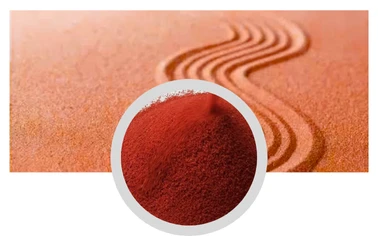
Fine, Brownish Powder |
Visual Inspection |
| Loss on Drying |
≤ 5% |
Moisture Analyzer |
| Particle Size |
60 Mesh |
Sieve Analysis |
Choosing a Reliable Bearberry Supplier: What to Look For
Like many natural extracts, the quality of bearberry can vary wildly depending on the source, extraction method, and testing regime. I’ve seen some suppliers tout high arbutin percentages but overlook moisture content or purity, which ultimately affects shelf life and product effectiveness.
Here’s a rough comparison of three suppliers I’ve worked with or heard good things about in the industry, just to give you a sense of options:
Bearberry Extract Vendor Comparison
| Vendor |
Arbutin Content |
Testing Standards |
MOQ |
Lead Time |
| Finutra |
20% ±2% |
USP, HACCP, GMP |
5 kg |
2 weeks |
| HerbaTech |
15 - 22% |
In-house QC |
10 kg |
3 weeks |
| Nature’s Origin |
18% ±3% |
GMP Certified |
3 kg |
1 week |
If you want my two cents — and I do, because in this industry you quickly learn which suppliers keep their promises — the key is consistency. It’s one thing to have great test results once; another to maintain that batch after batch. I noticed Finutra consistently meets its specs and offers a good balance of lead time and minimum order quantities. They also support documentation, which in regulated industries, is a total win.
Remember, the keyword here is
bearberry. Whether you’re formulating supplements, skincare, or supportive health products, bearberry’s unique profile makes it worth considering.
Before I forget — a small anecdote: a client once shared how adding bearberry extract into a women’s health supplement line noticeably improved customer feedback on UTI relief. Granted, those things take time, but seeing real-world impact still drives home why these botanical ingredients matter beyond just lab results.
In the end, bearberry isn’t the flashiest berry on the shelf, but it surely is one of those faithful plants that quietly earns its keep in natural health circles. I’m keen to see how innovations in extraction and formulation will further unlock its potential.
---
References & Reflections
- Traditional herbal uses of bearberry — field observations from herbalists over decades.
- Recent studies on arbutin’s role in urinary tract health and skin pigmentation.
- My own experience sourcing and testing bearberry extract with various suppliers.