
Understanding What Cordyceps Is Good For: A Global Perspective
So, you’ve heard about cordyceps and wondered, “cordyceps is good for what, exactly?” Well, you’re not alone. This fascinating fungus, often touted in traditional medicines, has recently garnered attention across industries worldwide for its potential health and economic benefits. To put it simply: knowing what cordyceps is good for matters not only to herbal supplement enthusiasts but also to researchers, natural product companies, and even environmental scientists. Its unique bioactive compounds hold promising applications, making it a small organism with a potentially big impact.
Introduction: The Global Context Around Cordyceps Use
Globally, the demand for natural and functional products has been soaring, with the herbal supplements market expected to reach over $115 billion by 2025 (source: Statista). Cordyceps, a parasitic fungus native mainly to Asian alpine regions, fits right into this boom. But its significance goes beyond supplements—it addresses broader challenges such as sustainable sourcing, traditional medicine preservation, and novel pharmacological discovery.
Oddly enough, while many know cordyceps for its supposed energy-boosting prowess, pinning down precisely what cordyceps is good for helps industries innovate responsibly. For instance, healthcare practitioners consider it for immune modulation, athletes seek endurance support, and ecologists study it for biodiversity impacts. Yet, sourcing pressures also raise sustainability concerns, making understanding cordyceps critical to balancing use and conservation.
Defining Cordyceps and Its Relevance
Simply put, cordyceps refers to a genus of fungi known for parasitizing insects and arthropods. The most studied species, Cordyceps sinensis and Cordyceps militaris, produce bioactive compounds like cordycepin, believed to have antioxidant, anti-inflammatory, and even anti-cancer effects. The connection to modern industries? These compounds become ingredients in nutraceuticals, pharmaceuticals, and even beauty products, linking centuries-old traditional knowledge to 21st-century science.
Moreover, cordyceps cultivation techniques are evolving, offering sustainable alternatives to wild harvesting, which aligns with modern environmental and humanitarian goals.
Key Factors That Make Cordyceps Valuable
1. Bioactive Compounds and Health Benefits
Cordyceps contains unique metabolites—especially cordycepin—that contribute to various biological effects. These include antioxidant activity, immune support, and purported anti-fatigue properties. Many studies (though often preliminary) suggest potential in respiratory and kidney health contexts.
2. Cultivation and Sustainability
Wild cordyceps is rare and expensive. Innovative farming methods—like submerged fermentation of Cordyceps militaris—allow for scalable, sustainable production. This factor is crucial in meeting demand while protecting fragile mountainous ecosystems.
3. Integration into Functional Foods and Supplements
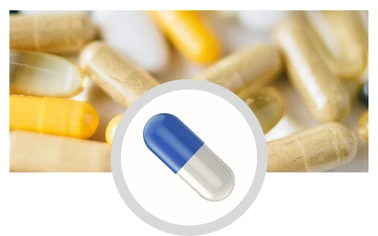
The incorporation of cordyceps extracts into capsules, powders, and even energy drinks shows its adaptability across health sectors. For consumers seeking natural energy enhancers or immune boosters, cordyceps products offer a unique alternative.
4. Pharmacological Research Potential
Ongoing scientific investigations uncover cordyceps’ role in modulating inflammation and cellular apoptosis, which might translate into therapies for chronic diseases. Though more human trials are needed, the trend is promising.
Mini Takeaway:
Cordyceps is good for a broad spectrum of uses—from traditional healing and modern supplements to ecological sustainability. Its bioactive profile combined with sustainable cultivation makes it a standout candidate in natural product industries.
Global Applications & Real-World Use Cases
Across Asia, cordyceps has long held medicinal value, especially in China and Nepal, where it's been harvested and used for centuries. In health supplement markets in the US and Europe, it’s increasingly popular among athletes and aging populations. For example, athletes consume cordyceps supplements to boost endurance and recovery, tapping into its reputed energy-enhancing properties.
Ecologically, regions rich in wild cordyceps are adopting sustainable harvest programs that also provide local revenue streams, supporting rural economies. Pharmaceutical companies are investigating cordyceps extracts for formulations targeting immune dysfunction and respiratory issues, showing cross-sector interest.
| Component | Average Content | Significance |
|---|---|---|
| Cordycepin | 0.05-0.3% Dry Weight | Key bioactive compound; anti-inflammatory, antioxidant |
| Polysaccharides | 5-12% Dry Weight | Immune modulation and energy support |
| Protein | 20-25% Dry Weight | Nutritional support for cellular functions |
| Vitamins & Minerals | Trace amounts | Additional health and metabolic support |
Advantages and Long-Term Value of Cordyceps
Now, why bother with cordyceps? Apart from the potential direct health benefits — which, frankly, keep drawing attention — there are deeper advantages. For one, reliance on sustainably farmed cordyceps can reduce pressures on vulnerable mountain ecosystems, preserving regional biodiversity.
You also have the socio-economic angle: communities in remote regions benefit financially by cultivating or harvesting cordyceps responsibly. In terms of innovation, incorporating cordyceps extracts into modern supplements blurs the line between tradition and science. This mix fosters trust among consumers looking for natural yet effective products.
Future Trends and Innovations
Looking ahead, cordyceps is riding the wave of green technology integration. Techniques like precision fermentation and biotechnology could enable producing bioactive compounds in lab-controlled environments, reducing cost and environmental footprint. Digital traceability could ensure product authenticity — a growing concern in herbal markets.
Moreover, as more clinical studies back up cordyceps’ effects, regulatory approvals might increase, opening pharmaceutical doors. Oddly enough, there’s also growing interest in incorporating cordyceps in cosmeceuticals for skin health, a fresh frontier that merges fungi biochemistry with beauty science.
Challenges and Solutions
Like anything promising, cordyceps isn’t without hurdles. The biggest has to be variability in raw material quality and confusion over species, which complicates efficacy and safety evaluations. Authenticating wild or farmed cordyceps demands advanced analytical methods.
Then there’s scalability — wild harvests are finite, and growing conditions are delicate. Solutions? Advanced cultivation techniques, collaborative certification schemes, and research partnerships. These are crucial for ensuring both consumer confidence and ecosystem protection.
Vendor Comparison Table: Cordyceps Product Suppliers
| Vendor | Product Form | Origin | Certifications | Sustainability Focus |
|---|---|---|---|---|
| MycoHealth Ltd. | Powder & Capsules | Nepal | Organic, GMP | Wild harvesting with local co-ops |
| BioCordyceps Inc. | Extract & Concentrates | China | ISO9001, Organic | Indoor fermentation |
| GreenFungi Co. | Powdered Fruit Bodies | Tibet | Fair Trade | Community wild harvest |
FAQ: Frequently Asked Questions About Cordyceps
- Q: What health benefits does cordyceps provide?
A: Cordyceps is mainly known for its antioxidant properties, immune system support, and potential to improve energy and stamina. However, while many studies are promising, more clinical research is needed for definitive claims. - Q: Is farmed cordyceps as effective as wild harvested?
A: Farmed cordyceps, especially Cordyceps militaris, has similar bioactive compounds but often at more consistent quality and sustainable volumes. Wild cordyceps may vary more depending on environment and maturity. - Q: How can consumers ensure they buy authentic cordyceps products?
A: Look for reputable vendors with certifications such as Organic or GMP, third-party lab tests, and transparent sourcing information. Digital traceability is becoming a useful tool as well. - Q: Are there any safety concerns with cordyceps supplements?
A: Generally, cordyceps is considered safe when taken in recommended doses. Nevertheless, individuals with immune disorders or on specific medications should consult healthcare professionals before use.
Conclusion + Call to Action
In real terms, understanding cordyceps is good for what unlocks a broader appreciation of this unique fungus’s role in health, sustainability, and innovation. From its traditional roots to modern labs, cordyceps exemplifies how nature and science can collaborate for better wellness and ethical sourcing.
If you’re interested in exploring cordyceps supplements or the latest scientific insights, feel free to visit our website: cordyceps is good for what.
Reflecting on cordyceps, it feels like a tiny organism bridging old wisdom and fresh innovation — a reminder of how much nature still offers if we listen carefully.
References
Post time:Dec - 04 - 2025