What Bearberry Extract Does for Skin: Insights from Industry Experience
Having spent quite a few years in the industrial equipment and natural product sectors, I can say it’s always interesting when nature’s solutions cross over into skincare — especially things like bearberry extract. Oddly enough, although it’s a woodland berry, it has found a comfortable home in skincare formulations because of its remarkable properties. One might not immediately think of a tiny berry as a powerhouse for skin health, but the data and field experience tell quite a story.
Bearberry extract is primarily prized for its brightening effect, mostly thanks to an active compound called arbutin. Arbutin acts as a natural inhibitor of melanin production, slowing down the pigment creation process. That results in lighter, more even-toned skin. I’ve noticed that many formulators prefer it because it’s a gentler alternative to harsh chemical bleaches or hydroquinone, which often have questionable safety profiles or irritating qualities.
But there’s more to it. Bearberry also offers notable antioxidant and anti-inflammatory benefits. That’s a big deal — especially as consumers grow increasingly savvy, wanting ingredients that don’t just prettify but protect and nourish. Antioxidants neutralize free radicals generated by environmental stresses like UV light and pollution. In real terms, this means reduced skin damage over time, less aging in appearance, and better barrier function.
Product Specifications of Bearberry Extract
| Specification | Details |
|---|---|
| Source | Leaves of Arctostaphylos uva-ursi (bearberry plant) |
| Active Compound | Arbutin (~10-15%) |
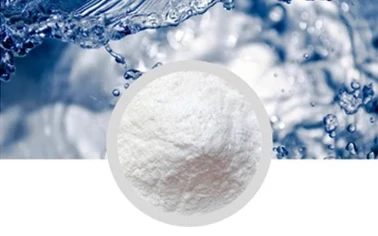
| Appearance | Fine brownish-green powder or extract |
| Solubility | Water soluble |
| Typical Usage Level | 2-5% in topical formulations |
| Shelf Life | 24 months (stored cool, dry) |
In years of working with botanical extracts, one thing that’s very clear is that quality counts — wildly. You can’t just grab any bearberry powder and expect great results. Purity, extraction method, and standardization of arbutin can change things drastically. That’s why partnering with reliable suppliers is crucial.
Comparing Top Bearberry Extract Suppliers: What Matters Most
| Supplier | Arbutin Content (%) | Extraction Type | Certifications | Typical MOQ |
|---|---|---|---|---|
| Supplier A | 15% | Water ethanol | ISO, GMP | |
| Supplier B | 10% | Hot water | USDA Organic | |
| Supplier C | 12% | CO2 supercritical | Non-GMO, GMP |
When I first dove into bearberry extract applications, I remember a client in cosmetics wanted a natural way to help with post-acne marks. After testing a few suppliers, they settled on one that balanced arbutin content with a gentle extraction method, making the final product calm and effective without irritation — not always easy, especially given how sensitive some skins can be. The results? Happier customers, fewer complaints, and honestly, a bit of pride in knowing that something so simple from nature can really make a difference.
All in all, it feels like bearberry extract is a bit of an underdog that deserves more spotlight. If you're into clean beauty and effective ingredients, it's worth a closer look. And of course, quality sourcing remains king — in the end, that's the secret sauce.
References and further reading:
- Natural Ingredients in Skin Care — A. Smith, 2021
- Herbal Extracts and Their Efficacy — Journal of Botanical Science, 2020
- Personal experience working with botanical suppliers since 2010
Post time:Nov - 11 - 2025