Why formulators keep reaching for Ginger Extract Powder Gingerols 5% Chinese Traditional Herbal Extract Water Soluble
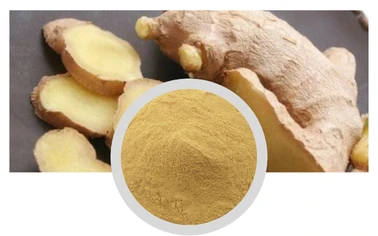
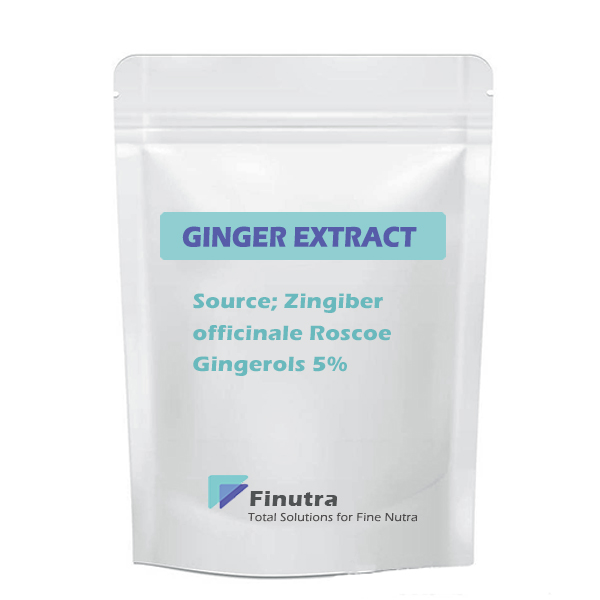
The functional beverage and nutraceutical crowd has quietly pivoted back to “classics.” Ginger is leading the pack. To be honest, it never left—R&D teams just got better at standardizing flavor, mouthfeel, and, yes, the gingerols that give it that signature bite. In fact, Ginger Extract Powder Gingerols 5% Chinese Traditional Herbal Extract Water Soluble checks boxes for clean-label sourcing, solubility, and batch-to-batch consistency, which sounds boring until your pilot batch scales and still tastes right.
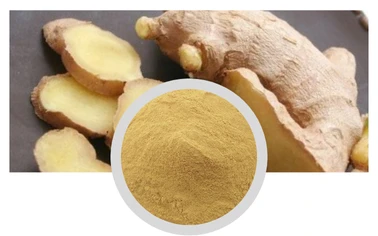
Product snapshot (specs you can actually use)
| Source / Part | Zingiber officinale Roscoe / Root |
| Assay (Total Gingerols, HPLC) | 5.0% ≈ (real-world lot range 5.0–5.5%) |
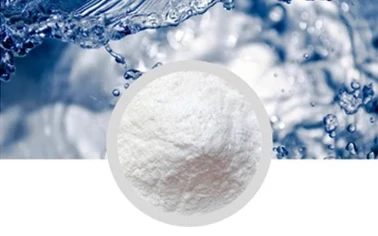
| Solubility | Water-soluble; disperses clear to slightly opalescent |
| Extraction solvents | Ethanol & Water |
| Mesh size | 95% pass 80 mesh (≈180 μm) |
| Moisture / Ash | ≤5.0% / ≤5.0% |
| Micro (USP <61>, <62>) | TPC ≤1,000 cfu/g; Yeast/Mold ≤100 cfu/g; Pathogens: negative |
| Residual solvents (ICH Q3C) | Meets limits; ethanol only |
| Heavy metals (ICP-MS) | Pb/Cd/As/Hg ≤10/1/1/0.1 ppm |
Process flow (how it’s made, not marketing)
- Materials: dried ginger roots from contracted farms; Non-GMO, BSE/TSE free, non-irradiation, allergen free; Origin: Building 23B1, No.2 Yuanboyuan St., Zhengding Area of China (Hebei) Pilot Free Trade Zone.
- Methods: ethanol–water extraction → concentration → filtration → polishing → spray drying (carrier-free by default; dextrin optional) → sieving.
- Testing standards: HPLC for gingerols; ICP-MS for metals; GC for solvents; pesticides per GB 2763/USP <561>; micro per USP <61>/<62>.
- Service life: 24 months sealed; store 15–25°C, RH <60%, protect from light.
- Industries: functional beverages, gummies, capsules, RTD shots, bakery flavoring, cosmetics (warming gels), sports pre-workout blends, pet supplements (formulator discretion).
Why teams pick it
- Clean taste curve with controllable heat—many customers say it’s “warm, not harsh.”
- Water solubility reduces ringing haze in clear beverages.
- Stable gingerols profile for scale-up; fewer reformulations.
- Certifications: ISO 22000, HACCP, Kosher, Halal available; Non-GMO statements on file.
Vendor comparison (real-world, not hype)
| Vendor | Gingerols | Water Solubility | MOQ | Lead time | Certs/Traceability |
|---|---|---|---|---|---|
| Finutra | 5% (HPLC), COA lot-based | Clear, low sediment | ≈25 kg | 7–12 days | ISO 22000, HACCP; farm-to-lot mapping |
| Trader A | ≈5% (method varies) | Slight haze reported | 20–50 kg | 10–20 days | Basic docs, limited farm data |
| OEM B | 4–6% (spec on request) | Good, batch dependent | ≥50 kg | 15–25 days | HACCP; mixed traceability |
Customization
Assay options: 2.5%, 5%, 10% gingerols; carrier-free or with dextrin for ultra-clear RTDs; flavor-tuned profiles (spicy vs mellow); granulation for tablets; private-label COA template alignment. And yes, Ginger Extract Powder Gingerols 5% Chinese Traditional Herbal Extract Water Soluble can be blended with lemon or curcumin extracts for co-positioned SKUs.
Mini case study
A European beverage startup reformulated a 250 ml sparkling ginger-lime. Switching to Ginger Extract Powder Gingerols 5% Chinese Traditional Herbal Extract Water Soluble cut sediment by ~60% and reduced flavor variance across 3,000 L runs. Consumer panel (n=62) favored “warmth without burn,” and shelf tests at 25°C for 12 weeks showed no perceptible color drift. Not bad for a single-ingredient swap.
Typical test data (single lot example)
- Gingerols (HPLC): 5.2%
- Moisture: 3.8%
- TPC: 420 cfu/g; Yeast/Mold: 40 cfu/g; E. coli / Salmonella: negative
- Pesticides: meets GB 2763 and EU MRLs
- Solvents: ethanol only, within ICH Q3C limits
Regulatory note: follow local standards for labeling and use levels. Functional claims depend on jurisdiction.
Citations
- USP General Chapters <61> Microbiological Examination of Nonsterile Products; <62> Tests for Specified Microorganisms; <561> Articles of Botanical Origin.
- ICH Q3C (R8) Guideline for Residual Solvents; AOAC Official Methods for HPLC botanical assays; WHO Monographs on Selected Medicinal Plants (Zingiber officinale); EFSA Compendium of Botanicals.
Post time:Oct - 23 - 2025