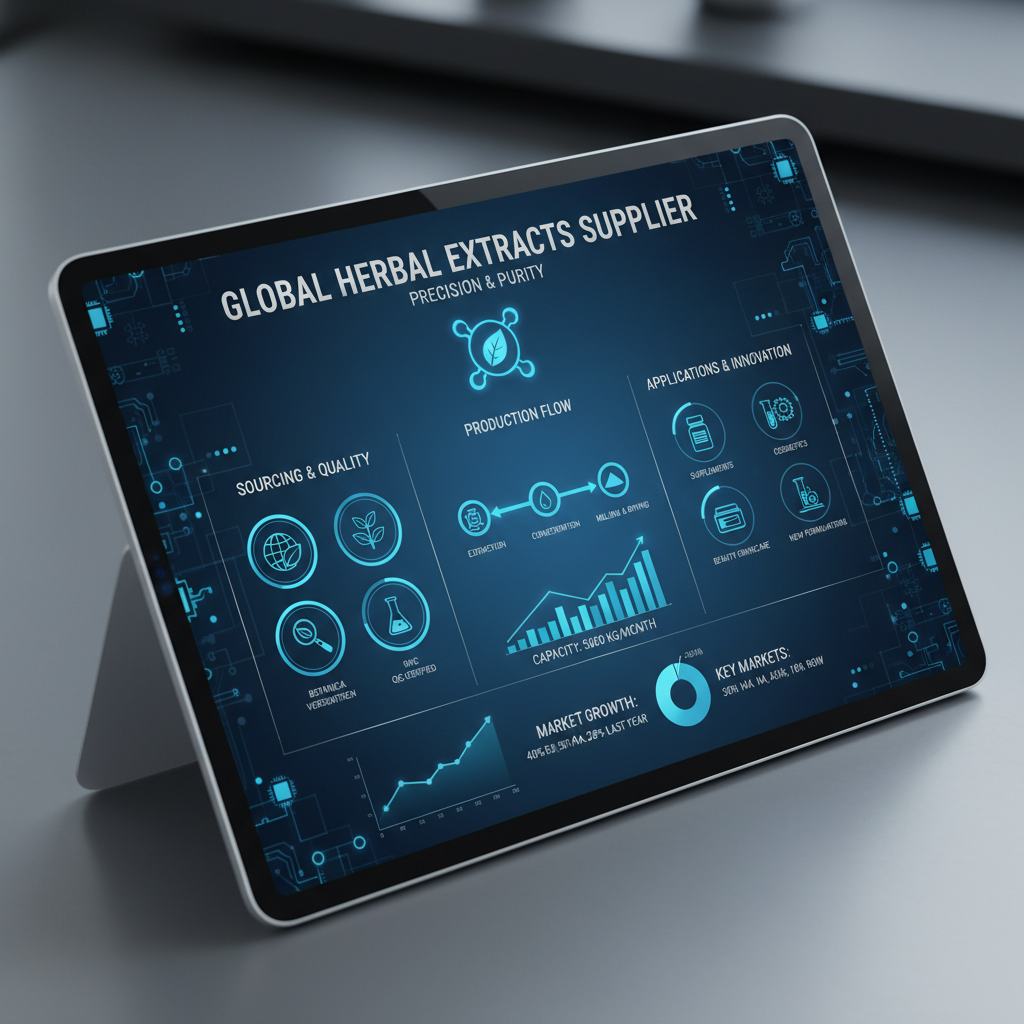
Securing high-quality raw materials from reliable black pepper extract suppliers is a critical requirement for formulators in the nutritional health and functional food sectors. As the demand for bio-enhancers and antioxidant ingredients grows, the ability to source a standardized extract with consistent piperine levels becomes a primary competitive advantage in the global supply chain.
Many procurement managers struggle with variability in potency and purity, which can lead to inconsistent final product efficacy and potential regulatory compliance risks. The challenge lies in identifying partners who can balance large-scale manufacturing capacity with stringent quality control and traceability from the source to the final powder or oil suspension.
This guide provides a professional framework for evaluating suppliers, understanding the technical specifications that impact formulation, and establishing a procurement strategy that ensures long-term stability and product quality for health supplement manufacturers.

Essential Specifications for Black Pepper Extract

When auditing black pepper extract suppliers, the primary technical focus should be on the assay of piperine, the active alkaloid responsible for most of the biological activity. Standardized extracts are typically offered at various concentrations, and the method of extraction—whether using ethanol, CO2, or other solvents—significantly impacts the residue profile and the final organoleptic properties of the ingredient.
Beyond the active component, buyers must verify the physical characteristics such as particle size and solubility. For example, a fine-flowing powder is essential for capsule filling, while water-dispersible or oil-soluble versions are required for beverage or softgel applications. Ensuring the extract is Non-GMO and free from BSE/TSE is a baseline requirement for entry into the US and European markets.
The Role of Piperine in Bioavailability Enhancement
The strategic value of black pepper extract in the health food industry often centers on its ability to increase the bioavailability of other nutrients. Piperine acts as a bio-enhancer by inhibiting certain metabolic enzymes and transporters in the gut, which allows other active ingredients—such as curcumin from turmeric—to be absorbed more efficiently into the bloodstream.
From a formulation perspective, this means that a small percentage of black pepper extract can significantly reduce the required dosage of the primary active ingredient, thereby optimizing costs and reducing the potential for gastrointestinal irritation. Suppliers who provide detailed data on the synergistic effects of their extracts provide more value to R&D teams than those who only provide a COA.
Integration into Nutraceutical Formulations
Integrating black pepper extract requires a deep understanding of stability and compatibility. In the context of the food and health supplement industry, the extract can be delivered via various formats: as a raw powder for tablets, a microencapsulated beadlet for controlled release, or as an oil suspension for liquid formulations. The choice of format depends entirely on the delivery system and the desired release profile.
For companies utilizing OEM/ODM services, the ability to source an extract that does not alter the taste profile of the final product is essential. This is where advanced processing technologies, such as microencapsulation, become critical, as they mask the pungent taste of piperine while maintaining its functional efficacy in the digestive tract.
Supplier Evaluation Matrix for Quality Assurance
Evaluating black pepper extract suppliers involves analyzing several qualitative and quantitative dimensions. Rather than focusing solely on price, professional buyers use a normalized scoring system to assess the risk associated with each vendor. Key dimensions include the consistency of active ingredient levels, the rigor of microbiological testing, and the speed of logistics.
The chart above illustrates a conceptual evaluation framework where different supplier types are scored across key performance indicators. High-tier suppliers typically excel in traceability and purity but may have higher lead times, whereas mid-tier suppliers offer faster delivery but may require more frequent third-party batch testing to ensure stability.
Supply Chain Traceability and Compliance Standards
In the global food and health supplement industry, traceability is no longer optional. A reputable supplier must be able to provide a clear chain of custody from the cultivation of the Piper nigrum plants to the final extraction process. This prevents the adulteration of the extract with cheaper fillers or synthetic piperine, which can lead to costly product recalls and legal liabilities.
Compliance with international standards such as ISO, KOSHER, and HALAL is critical for market expansion. Furthermore, suppliers who implement rigorous heavy metal testing (Lead, Arsenic, Cadmium, Mercury) ensure that the botanical extracts meet the safety thresholds required by the FDA and EFSA, protecting both the manufacturer and the end consumer.
Common Procurement Pitfalls and Risk Mitigation
One of the most common mistakes buyers make is relying solely on the supplier's internal Certificate of Analysis (COA). Because botanical extracts are subject to seasonal variation, a single batch sample may not represent the quality of a multi-ton order. Implementing a policy of random third-party testing is the most effective way to mitigate the risk of potency drift.
Another risk is the neglect of solvent residue analysis. Depending on the extraction method, residues of N-hexane or ethanol may remain. Procurement teams should specify the maximum allowable limits for these solvents in their purchase agreements to ensure that the final product meets food safety regulations and avoids potential toxicity issues.
Decision Framework for Supplier Selection
Selecting the right partner among various black pepper extract suppliers requires a balanced approach that weighs technical capability against operational reliability. The following table compares different sourcing strategies based on the specific needs of the production environment, from small-scale R&D to high-volume manufacturing.
| Sourcing Strategy | Primary Advantage | Best Use Case | Main Risk |
|---|---|---|---|
| Direct Manufacturer | Cost Efficiency | High-volume production | Longer lead times |
| Specialty Distributor | Fast Logistics | Small to mid-size batches | Higher unit cost |
| Integrated Supplier | Technical Support | Custom formulations | Complex contracting |
| Local Warehouse Partner | Immediate Availability | Emergency replenishment | Limited variety |
| Boutique Extractors | Ultra-High Purity | Clinical research/Premium | Supply instability |
| Generic Bulk Suppliers | Maximum Volume | Low-cost food additives | Variable potency |
Ultimately, the decision should be guided by the product's end-use. For a premium nutraceutical, an integrated supplier capable of providing microencapsulation and full traceability is the optimal choice, whereas a generic bulk supplier may suffice for basic food seasoning applications.
Frequently Asked Questions
Most commercial extracts are standardized to 40%, 60%, or 95% piperine, depending on the intended application and required potency for bio-enhancement.
Piperine inhibits certain metabolic enzymes in the liver and intestines, reducing the first-pass metabolism of other active compounds and increasing their systemic bioavailability.
At a minimum, look for ISO qualification. For specific market needs, KOSHER, HALAL, and Organic certifications are essential to meet consumer demands.
Yes, but it requires specific forms such as oil suspensions or cold-water soluble (CWS) powders to prevent precipitation and ensure a uniform mixture.
It should be stored in a cool, dry place, away from direct sunlight, typically in airtight containers to prevent oxidation of the active alkaloids.
Oleoresin contains the full spectrum of volatile oils and resins, while standardized extracts are processed to contain a specific, guaranteed percentage of piperine.
Conclusion
The selection of black pepper extract suppliers is a strategic decision that directly impacts the efficacy, safety, and cost-structure of nutritional products. By focusing on standardized piperine levels, rigorous traceability, and the correct delivery format, manufacturers can ensure that their formulations provide the intended biological benefits while remaining compliant with international safety standards.
For companies seeking reliable raw materials and integrated supply chain solutions, visiting www.finutra.com provides access to a broad range of functional ingredients and technical expertise to support a diverse array of beverage, nutraceutical, and food applications.