

Cranberry Powder: A Versatile Industrial Ingredient with Proven Benefits
Having worked a fair stretch in the industrial equipment and ingredient supply sector, I’ve come across my share of niche powders, but cranberry powder holds a special sort of promise. It’s not just about flavor or nutrition anymore; industrial buyers are increasingly drawn to its combination of functional versatility, clean label appeal, and natural sourcing. Oddly enough, many engineers I know have started championing it for food, cosmetics, and even pharmaceutical manufacturing processes.
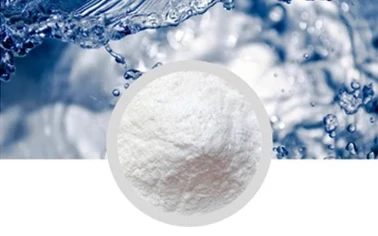
In real terms, cranberry powder is essentially dried and milled cranberries—nothing fancy—but the subtleties of the production method matter. Freeze-drying preserves active compounds better than heat drying, cutting losses and ensuring that the final powder packs the polyphenols and antioxidants cranberry is famous for. You can almost imagine the fruit’s tang and aroma captured in a finely milled powder, ready to be incorporated seamlessly into formulations.
Over the years, I noticed that product specs for cranberry powder tend to focus on moisture content, particle size, purity, and total phenolic content. This is critical because a lower moisture content means longer shelf life and easier handling on automated lines—something every production floor values. Also, since this powder often goes into health supplements or fortified beverages, confirming microbial safety and heavy metal testing is standard, and frankly, a must-have.
| Specification | Typical Values |
|---|---|
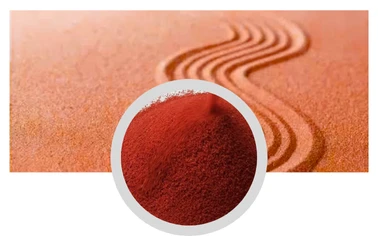
| Appearance | Fine red powder |
| Moisture Content | < 5% |
| Particle Size (mesh) | 80–100 |
| Total Phenolic Content | > 20 mg GAE/g |
| Microbial Limits | Complies with USP |
Now, when selecting a cranberry powder vendor, you quickly realize not all powders are created equal. Some suppliers focus on organic certification, others pride themselves on purity and traceability, and a few offer custom milling options that can make the powder more suitable for specific industrial processes. This is crucial if you’re working on a product that requires consistent flow properties or precise dosing.
| Vendor | Certifications | Customization | Typical MOQ |
|---|---|---|---|
| Finutra | Organic, Non-GMO, Kosher | Particle size, blend formulations | 50 kg |
| BerrySuppliers Co. | Non-GMO, Gluten-Free | Standard powder only | 100 kg |
| Nature’s Harvest | Organic, Vegan | Custom blends, packaging options | 75 kg |
One little anecdote that sticks in my mind: a client from a mid-sized supplement manufacturer was struggling to optimize a cranberry-based product. Their initial powders lacked potency and had inconsistent flow, causing roadblocks in automated capsule filling. After switching to a customized freeze-dried powder with validated phenolic content and tighter particle distribution—courtesy of a knowledgeable supplier—their throughput improved by nearly 15%. That kind of real-world impact is why I always emphasize good vendor partnerships.
All in all, cranberry powder is more than just a trendy ingredient — it’s an industrial staple in the making. As formulations grow more sophisticated and consumer demand for natural, potent ingredients rises, I suppose cranberry powder’s role will only expand. It feels like a straightforward powder, but its complexity beneath the surface is pretty impressive.
So, if you’re shopping for cranberry powder, keep an eye on specs, certifications, and customization options. And sources with deep industry knowledge tend to deliver more than just product — they offer peace of mind.
Takeaway: A good cranberry powder supplier isn’t just a vendor; they’re a partner in product success.
- USDA Organic Standards – Understanding Certification
- Freeze-Drying Techniques for Fruit Powders – A Technical Overview
- USP Microbial Testing Guidelines for Dietary Ingredients
Post time:Dec - 07 - 2025