

Pure Cranberry Powder: A Versatile Ingredient in Industrial Applications
Having spent quite a bit of time working in the industrial ingredient sector, I’ve developed a certain appreciation for specialty powders, especially those sourced naturally. Pure cranberry powder caught my attention early on – it’s not just a health supplement buzzword, but a genuinely interesting ingredient with some technical merits. Frankly, it’s kind of a neat product if you look beyond the label hype.
Oddly enough, cranberry powder isn’t only prized for its antioxidant properties, but for its consistent quality and versatility in various formulations. For instance, in nutraceutical manufacturing, the powder acts as a stable, concentrated source of active compounds. But the story really gets going when you consider how it fits into broader industrial trends — clean label advocacy, natural ingredient sourcing, and versatile input flexibility, to name a few.
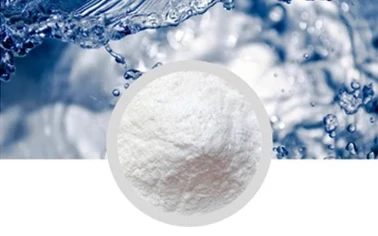
From where I stand, producers of pure cranberry powder have really fine-tuned their processes. Starting from freshly harvested berries, the drying techniques retain key phytonutrients while reducing moisture to a precise level—this helps in avoiding caking or degradation over time. I noticed one supplier kept the particle size uniform to optimize blending with other powders. That kind of attention to detail matters a lot if you’re handling industrial-scale mixing lines or powder blend recipes.
Let's take a closer look at a typical product specification for pure cranberry powder—this usually frames what industrial buyers want to know before committing:
| Specification | Details |
|---|---|
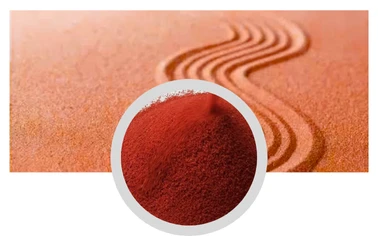
| Appearance | Fine red powder |
| Moisture Content | ≤ 8% |
| Particle Size | 80 mesh (approx. 180 microns) |
| Total Polyphenols | ≥ 15% |
| pH | 2.8 - 3.5 |
| Microbial Limits | Total Plate Count ≤ 10,000 cfu/g |
You might wonder how different suppliers stack up — I suppose that depends on the origin, processing facility, and quality controls they have in place. Here’s a simplified comparison of a few well-known vendors offering pure cranberry powder, reflecting factors that matter in industrial procurement:
| Vendor | Origin | Polyphenol Content | Certification | Typical Use |
|---|---|---|---|---|
| Finutra | North America | ≥ 15% | GMP, Non-GMO | Nutraceuticals & beverages |
| BerryPure | Europe | ≥ 14% | Organic, ISO | Food enrichment |
| CranBerryCo | Canada | ≥ 16% | Non-GMO, Gluten-Free | Dietary supplements |
In real terms, you want to verify the specs carefully, depending on your intended application. For example, if your product demands tight microbial standards or certified organic material, that’ll narrow your vendor choices. And between you and me, it’s worth requesting a sample batch first — nothing beats seeing the flowability and color in person.
I once worked with a beverage manufacturer who switched to pure cranberry powder for their antioxidant juice blends. They told me the consistent color and uniform particle size helped their automated mixing lines run smoother, which was a small but vital improvement. Oddly enough, something as subtle as that can impact product quality and processing efficiency more than you’d expect.
To wrap it up, pure cranberry powder isn’t just some trendy additive; it’s a carefully engineered ingredient with a growing role in clean-label, health-focused industrial applications. If you’re exploring natural powders, don’t overlook it—especially when sourced from reliable suppliers like Finutra who know their stuff.
Feel free to reach out with any questions or share your experiences working with botanical powders. The industry's evolving fast, and it’s always good to compare notes.
— Written from years of hands-on experience in ingredient sourcing and industrial formulation.
References
- Industry Whitepaper on Botanical Extracts, Nutraceutical Insights, 2022
- Supplier Specifications from Finutra and peers, Corporate Brochures, 2023
- Case Study: Beverage Manufacturing Process Improvements, confidential client data 2021
Post time:Dec - 10 - 2025