

What Is Pepper Oil Extract and Why It Matters Today
Pepper oil extract might just sound like another herbal niche product, but scratch beneath the surface and you’ll find a fascinating story. Globally, the demand for natural extracts is skyrocketing — due in part to increasing interest in plant-based remedies, sustainable chemistry, and value-added agricultural resources. Pepper oil extract, derived mainly from Piper nigrum (black pepper), isn’t just about flavor; it’s a bold player in pharmaceuticals, food preservation, and even modern cosmetics. Understanding this versatile extract is important because it offers a natural alternative imbued with antioxidant, anti-inflammatory, and antimicrobial properties. The scientific community and various industries are waking up to pepper oil’s promise — especially in a world that’s increasingly skeptical of synthetic additives. Curious? Let’s take a closer look.Mini takeaway: Pepper oil extract is more than a kitchen staple. It’s a potent, plant-based ingredient with multiple industrial and health applications globally.
Global Relevance: Why Pepper Oil Extract Captures Industry Attention
Here’s something interesting: The global essential oils market is projected to reach beyond USD 22 billion by 2027, with natural extracts driving much of that growth (Source: Grand View Research, 2023). Pepper oil extract is a key player in this shift — prized not only for its pungency but for its bioactive compounds like piperine. These compounds offer benefits ranging from digestive support to enhancing drug absorption. However, the global supply chain doesn’t always meet demand smoothly. Challenges like climate impact on pepper cultivation and inconsistent extraction methods have made quality control a headache for manufacturers. Tackling these issues is vital since pepper oil extract addresses growing consumer demand for natural, effective ingredients — especially with rising health and wellness awareness.Mini takeaway: The booming essential oils market highlights the vital role pepper oil extract plays amid growing health-conscious consumption and sustainability concerns.
Defining Pepper Oil Extract: What Is It Exactly?
Simply put, pepper oil extract is an essential oil obtained from the fruit or seeds of pepper plants. Commercially, it’s usually steam-distilled or solvent-extracted to concentrate the potent phytochemicals. The most notable component is piperine — the molecule responsible for pepper’s distinctive bite and many of its health benefits. In the modern industry, pepper oil extract is more than a spice derivative; it’s a bioactive tool. From food supplements boosting nutrient absorption to natural preservatives extending shelf life, this oil finds itself woven into various sectors. It even plays a role in humanitarian contexts where reliable, plant-based antimicrobial agents are needed in difficult conditions.Mini takeaway: Pepper oil extract is a concentrated plant oil rich in piperine, serving as a functional ingredient across health and industrial sectors.
Key Components and Influencing Factors
Piperine Concentration
Piperine is the star compound that dictates both flavor intensity and medicinal value. Extraction methods and pepper origin hugely impact its concentration. High-purity piperine strengthens the extract’s applications in pharmaceuticals and nutraceuticals.Extraction Technique
Steam distillation, CO2 extraction, and solvent methods each yield different purity and compound profiles. Steam distillation, while traditional, sometimes sacrifices yield for purity; CO2 extraction is pricier but often results in a more refined extract.Origin and Cultivation Conditions
The terroir of pepper — whether grown in Vietnam’s highlands or India’s Kerala — affects the phytochemical composition. This geographic factor is often an invisible variable shaping the oil’s quality and usability across industries.Stability and Shelf Life
Like many essential oils, pepper oil extract’s chemical stability can suffer from oxidation or heat exposure. Preserving its bioactivity depends on careful storage, often under nitrogen or in opaque bottles.Regulatory Standards
With growing interest, international standards such as ISO 6571:2018 guide quality and safety. Compliance is crucial for export/import integrity and end-user trust.Mini takeaway: Understanding piperine content, extraction methods, sourcing, stability, and standards is key to using pepper oil extract effectively.
Global Applications and Use Cases
Pepper oil extract pops up in some intriguing places worldwide:- Pharmaceuticals: Used as a bioavailability enhancer, it helps natural and synthetic drugs absorb better in the gut — a game-changer in some medicines.
- Food Industry: Natural preservative and flavoring agent, increasingly replacing synthetic additives.
- Cosmetics: Incorporated for its antioxidant and warming properties in skincare formulations.
- Agrochemicals: Explored as an organic pesticide alternative in sensitive farming regions.
- Humanitarian Relief: In regions with limited access to sanitation, pepper oil’s antimicrobial nature makes it a handy component in locally made disinfectants and ointments.
Mini takeaway: Pepper oil extract’s global reach spans drug delivery, food safety, skincare, and sustainable agriculture.
Advantages and Long-Term Value of Pepper Oil Extract
It’s not just about what pepper oil does — it’s about what it means. The extract offers:- Cost efficiency: Natural, renewable sources that provide multifunctional benefits.
- Sustainability: Supports agricultural economies, reduces synthetic chemical dependency.
- Health impact: Anti-inflammatory, antimicrobial, and absorption-boosting, contributing to safer, better healthcare solutions.
- Emotional value: It feels reassuring to embrace nature-driven wellness and heritage products amidst modern industrialization.
Mini takeaway: Pepper oil extract blends economic, environmental, and emotional benefits into a powerful long-term asset.
Emerging Trends and Innovations
Looking ahead, the pepper oil market is buzzing with innovation:- Green extraction techniques: Supercritical CO2 and enzymatic methods aim to maximize purity while cutting environmental impact.
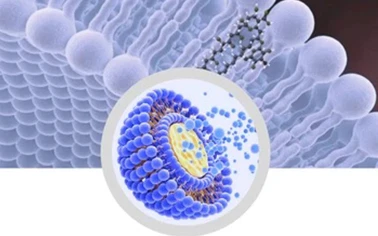
- Nanoencapsulation: To improve stability and controlled release in pharmaceuticals and cosmetics.
- Traceability solutions: Blockchain is beginning to help verify source and quality in pepper oil supply chains.
- Integration with digital platforms: Data-driven farming and processing for enhanced yields and consistent quality.
Mini takeaway: Advancements in extraction, formulation, and transparency are shaping the next generation of pepper oil extract applications.
Challenges and Practical Solutions
No industry is perfect. For pepper oil extract, the hurdles include:- Variable quality: Different crops and extraction styles can cause batch inconsistencies.
- Supply shocks: Weather events in pepper-growing regions disrupt availability.
- Regulatory hurdles: Exporting to strict markets needs careful compliance, often limiting small producers.
Mini takeaway: Industry must balance tradition and technology to mitigate variability, supply risks, and regulatory complexities.
Product Specification Table
| Specification | Standard Range | Notes |
|---|---|---|
| Piperine Content | 5–9% | Varies by origin & extraction |
| Appearance | Light to dark amber oil | Stable when stored properly |
| Odor | Pungent, spicy | Characteristic pepper aroma |
| Shelf Life | 1–2 years (if protected from light/heat) | Oxidation sensitive |
| Recommended Extraction | Steam Distillation / CO2 Extract | Depends on application |
Vendor Comparison Table
| Vendor | Extraction Method | Piperine Level | Sustainability Certification | Geographic Origin | Price Range (per kg) |
|---|---|---|---|---|---|
| PepperCo Extracts | Steam Distillation | 6.5% | ISO 9001 | Vietnam | $220–$280 |
| GreenNaturals Ltd. | CO2 Extraction | 8.9% | Organic Certified | India (Kerala) | $350–$400 |
| Spice Essence Corp. | Solvent Extraction | 5.5% | None | Indonesia | $180–$220 |
Frequently Asked Questions About Pepper Oil Extract
What applications benefit most from high-piperine pepper oil extract?
High-piperine extracts are particularly valuable in pharmaceuticals and nutraceuticals for enhancing drug absorption and creating potent herbal supplements. Their elevated bioactive content also adds efficacy in topical cosmetics.
Is pepper oil extract safe for food use?
Absolutely. When produced under food-grade standards and quality-controlled, pepper oil extract is widely used as a natural flavoring and preservative agent without adverse effects. Still, precise dosing is crucial due to its pungency.
How should pepper oil extract be stored to maintain effectiveness?
Store it in airtight, dark-colored containers away from heat and sunlight. Many experts recommend refrigeration or cool, dark storage to prevent oxidation and maintain the aromatic profile.
Can pepper oil extract be used in organic cosmetic products?
Yes, provided the extraction method and source comply with organic certification standards. Many brands seek organically certified pepper oil extract for natural skincare lines.
What are the main environmental impacts of pepper oil extraction?
Traditional extraction can be resource-heavy, especially when solvent use is involved. However, newer techniques like supercritical CO2 greatly reduce environmental footprints, making production more sustainable.
Conclusion: Why Pepper Oil Extract Deserves Your Attention
Pepper oil extract isn’t just an aromatic curiosity or culinary spice byproduct. Its multifaceted benefits—from enhancing medicinal efficacy to offering sustainable natural preservation—secure its place in a future leaning toward natural substances and responsible production. For industries looking to innovate with plant-based ingredients, it's a compelling choice. Wondering how to tap into this resource? Visit our website: pepper oil extract for trusted supply options, technical support, and emerging product insights.In a world craving authenticity and performance, pepper oil extract feels like a quietly powerful ally.
References
Post time:Nov - 28 - 2025