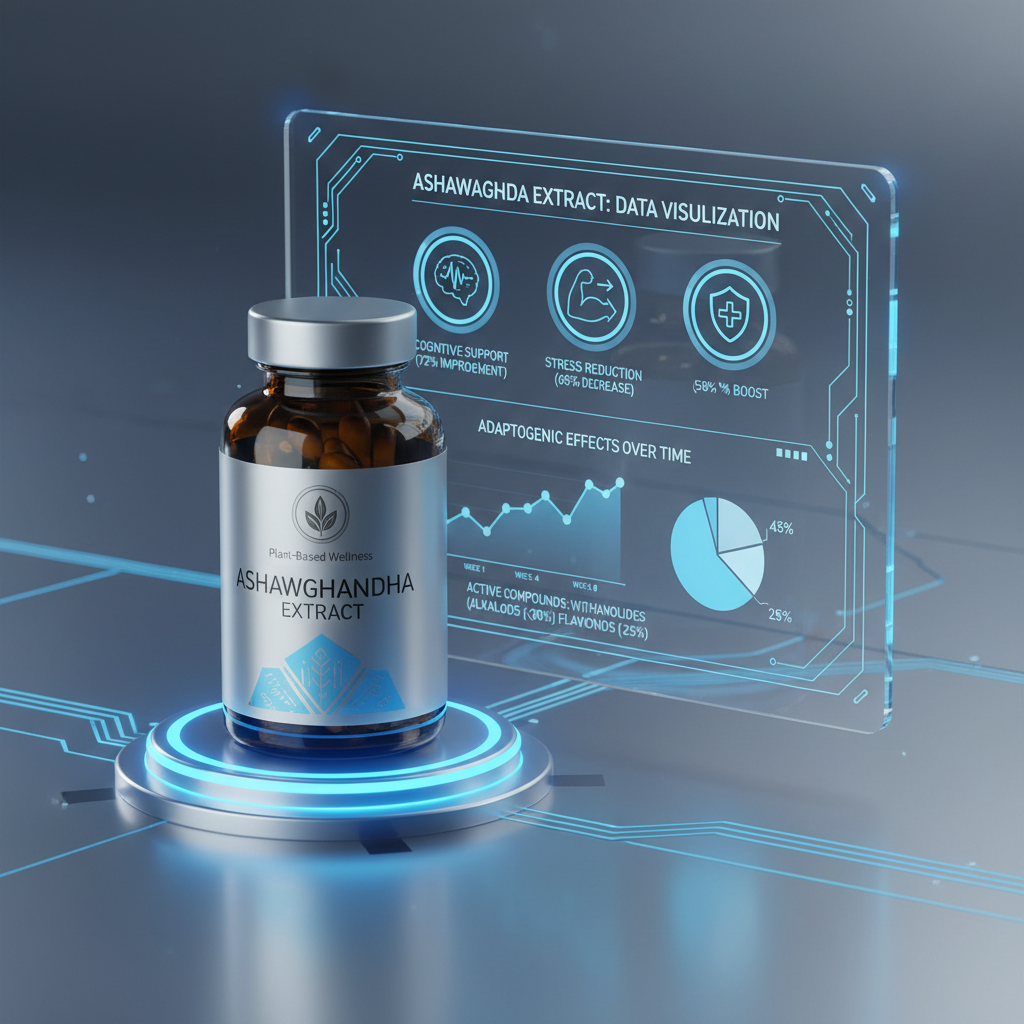
In the evolving landscape of global wellness, ashwagandha extract has emerged as a cornerstone of adaptogenic support, bridging the gap between ancient Ayurvedic wisdom and modern pharmaceutical precision. As stress levels rise globally, the demand for natural compounds that can modulate the body's cortisol response has transitioned from a niche health trend to a mainstream industrial requirement for nutraceutical manufacturers.
The significance of this botanical extract lies in its unique chemical profile, specifically the presence of withanolides, which are believed to be the primary active constituents responsible for its therapeutic effects. For food and supplement producers, understanding the nuances of extraction methods and standardization is critical to ensuring that the end consumer receives a product that is both safe and biologically active.
By integrating high-purity ashwagandha extract into diverse delivery systems—from chewable tablets to liposomal formulations—manufacturers can address a broad spectrum of health concerns, including cognitive function, sleep quality, and metabolic balance, thereby adding significant value to their product portfolios.
Global Market Context of Ashwagandha Extract
The global market for ashwagandha extract has experienced exponential growth, driven by a systemic shift toward preventative healthcare and the "wellness economy." Data from international trade monitors indicate a surge in demand across North America and Europe, where consumers are increasingly seeking natural alternatives to synthetic anxiolytics and sleep aids to combat the pressures of modern urban living.
However, this rapid expansion has introduced significant challenges regarding supply chain transparency and raw material authenticity. The industry currently faces a struggle between the high demand for standardized extracts and the ecological capacity of traditional growing regions in India and Africa, necessitating a move toward sustainable cultivation and precision extraction technologies.
Definition and Industrial Significance of Ashwagandha Extract
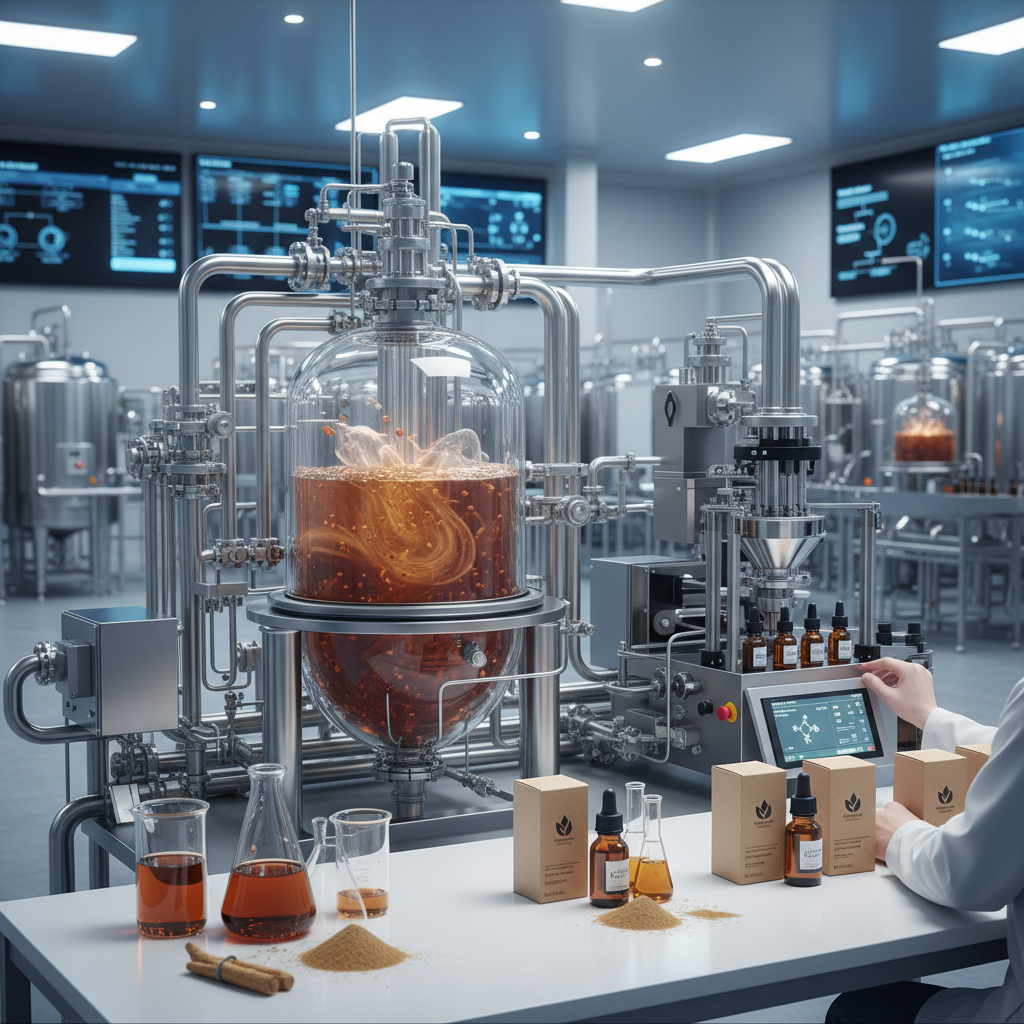
In technical terms, ashwagandha extract is a concentrated form of the active compounds derived from the roots and leaves of Withania somnifera. Unlike raw powder, the extract undergoes a rigorous process of solvent extraction and purification to isolate withanolides—steroidal lactones that interact with the human endocrine and nervous systems to reduce stress and improve resilience.
From an industrial perspective, the significance of this extract lies in its versatility. It serves as a primary active ingredient in the "Herbs/Botanicals Extract" category, allowing manufacturers to create products with precise dosage and predictable pharmacological outcomes. This standardization is essential for meeting ISO and FDA requirements, ensuring that every batch delivers the same therapeutic benefit.
Furthermore, the integration of this extract into modern humanitarian needs is evident in its application for cognitive support in aging populations and stress management for frontline healthcare workers. By transforming a traditional root into a bioavailable extract, the industry makes ancient health benefits accessible to a global, fast-paced population.
Core Components and Quality Factors of Ashwagandha Extract
The efficacy of ashwagandha extract is primarily determined by its Withanolide content. High-quality extracts are typically standardized to contain between 2.5% and 5% withanolides, which ensures the product can effectively modulate the hypothalamic-pituitary-adrenal (HPA) axis. Without this standardization, the variance in raw botanical materials would make commercial scaling nearly impossible.
Solubility and bioavailability are secondary but critical factors. Because withanolides are naturally lipophilic, the industrial transition to Liposomal or Microencapsulation technology has allowed for significantly higher absorption rates. This means that a lower dose of a high-quality ashwagandha extract can achieve the same or better results than a larger dose of a crude powder.
Finally, purity and the absence of contaminants—such as heavy metals or pesticide residues—are non-negotiable quality markers. Given that the plant absorbs minerals from the soil, advanced filtration and purification steps are required to ensure the extract meets the stringent safety standards of the global pharmaceutical and food industries.
Practical Applications and Use Cases for Ashwagandha Extract
The application of ashwagandha extract spans across multiple delivery formats. In the supplement industry, it is frequently used in Time Release Tablets to maintain a steady state of adaptogenic support throughout the day, or in Chewable Tablets for consumer convenience. These formats allow for the seamless integration of the extract into daily routines.
Beyond traditional supplements, we see this extract being utilized in "Cosmetic Actives" for anti-stress skincare and in "Specialty" functional foods like fortified beverages. For instance, in high-stress corporate environments or remote industrial zones, functional snacks enriched with this extract are used to support mental clarity and fatigue resistance among workers.
Comparative Efficacy of Ashwagandha Extract Delivery Methods
Long-Term Value and Sustainability of Ashwagandha Extract
The long-term value of ashwagandha extract extends beyond immediate sales, tapping into the growing consumer desire for "clean label" products. By utilizing sustainable farming practices and green chemistry in the extraction process, brands can build deep trust and loyalty, positioning themselves as ethical leaders in the health space.
From a logical standpoint, the reliability of a standardized extract reduces the risk of adverse reactions and ensures consistent product performance. Emotionally, providing a natural solution for anxiety and burnout offers consumers a sense of dignity and control over their mental health, which is an invaluable psychological asset in today's volatile global economy.
Future Innovations in Ashwagandha Extract Processing
The future of ashwagandha extract is being shaped by the digital transformation of agriculture and biotechnology. Precision fermentation and plant cell culture are emerging as potential alternatives to traditional harvesting, which would allow for the production of withanolides in a controlled laboratory environment, eliminating the risk of soil contamination and weather-related crop failures.
Furthermore, the integration of AI-driven formulation is enabling "personalized nutrition." In the near future, we may see ashwagandha extract dosages tailored to an individual's real-time cortisol levels, measured via wearable biosensors and delivered through 3D-printed supplement tablets.
Sustainability is also driving the adoption of "green solvents" like supercritical CO2 extraction. This method removes the need for toxic organic solvents, resulting in a purer extract that aligns with the strict organic certifications required by high-end European and American markets.
Challenges and Expert Solutions for Ashwagandha Extract
One of the most persistent challenges in the production of ashwagandha extract is the "bitter profile" of the raw material, which can make it difficult to incorporate into chewables or beverages without heavy flavoring. Expert solutionists are now employing advanced masking agents and microencapsulation to isolate the taste while preserving the bioactive integrity of the withanolides.
Another hurdle is the inconsistency of raw materials sourced from wild-harvested plants. To overcome this, the industry is shifting toward GAP (Good Agricultural Practices) certified plantations, where soil quality and harvesting times are strictly controlled to maximize the concentration of active markers before extraction.
Finally, the risk of adulteration with cheaper fillers remains a concern. The implementation of DNA barcoding and HPLC (High-Performance Liquid Chromatography) testing at every stage of the supply chain ensures that the final ashwagandha extract is 100% authentic and potent.
Strategic Analysis of Ashwagandha Extract Production Standards
| Extraction Method |
Purity Level |
Production Cost |
Market Scalability |
| Water-based Decoction |
Low (4/10) |
Very Low |
High (Traditional) |
| Ethanolic Extraction |
Medium (7/10) |
Moderate |
Very High |
| Supercritical CO2 |
High (9/10) |
High |
Medium |
| Liposomal Delivery |
Ultra (10/10) |
Very High |
Low (Premium) |
| Microencapsulation |
High (8/10) |
Moderate |
High |
| Cold-press Extract |
Medium (6/10) |
Moderate |
Medium |
FAQS
The primary difference is standardization. Raw powder contains variable amounts of active compounds depending on the soil and harvest. A professional ashwagandha extract is processed to ensure a consistent percentage of withanolides, providing a predictable therapeutic dose and higher bioavailability, which is essential for commercial health products.
Yes, although the raw extract is naturally bitter, manufacturers use techniques like microencapsulation or liposomal delivery to mask the taste. These methods encapsulate the active withanolides in a lipid layer, preventing them from interacting with taste buds while ensuring they are released and absorbed in the digestive tract.
Generally, yes. Liposomal delivery enhances the absorption of lipophilic compounds like withanolides by protecting them from degradation in the stomach. This leads to higher plasma concentrations compared to standard tablets, meaning consumers may experience faster and more potent results with a smaller dose.
Look for suppliers who provide a detailed Certificate of Analysis (CoA) for every batch. This should include HPLC testing for withanolide content and third-party lab reports verifying the absence of heavy metals, pesticides, and microbial contaminants. Certifications like ISO, GMP, and Organic further validate their quality standards.
The "best" format depends on the target consumer. Time-release tablets are ideal for chronic stress management, chewables are preferred for convenience, and liposomal liquids are best for those seeking maximum potency and rapid absorption. Many premium brands now offer a hybrid approach using microencapsulation.
Yes, over-harvesting of wild Withania somnifera can lead to biodiversity loss. The industry is solving this by moving toward controlled agricultural cultivation and biotechnology, such as plant cell culture, to ensure a stable supply of ashwagandha extract without depleting natural ecosystems.
Conclusion
In summary, ashwagandha extract represents a perfect synergy between botanical tradition and industrial innovation. From the critical importance of withanolide standardization and the advancement of liposomal delivery to the necessity of sustainable sourcing and rigorous purity testing, every aspect of its production influences its final efficacy. For manufacturers, the key to success lies in balancing potency with bioavailability and transparency.
Looking forward, the evolution of "smart supplements" and green extraction technologies will likely further solidify the role of this adaptogen in global healthcare. We recommend that brands invest in high-standard, certified extracts to meet the rising consumer demand for safety and efficacy. To explore professional-grade botanical solutions and OEM/ODM services, visit our website: www.finutra.com