
Understanding Time Release Tablet Technology and OEM/ODM Premix Services
The pharmaceutical and nutraceutical industries demand sophisticated delivery systems that optimize bioavailability, enhance patient compliance, and mitigate adverse effects. Among these, time-release tablets stand out for their ability to deliver active pharmaceutical ingredients (APIs) or nutritional compounds over an extended period. This controlled release mechanism is critical for maintaining therapeutic concentrations, reducing dosing frequency, and improving overall efficacy. Our comprehensive Time Release Tablet OEM/ODM Premix Service is designed to meet these intricate requirements, offering tailored solutions from concept to commercialization.
OEM (Original Equipment Manufacturer) and ODM (Original Design Manufacturer) premix services provide a strategic advantage for brands seeking to enter or expand within the specialized controlled-release market without significant capital investment in R&D and manufacturing infrastructure. By partnering with an experienced provider, clients leverage deep expertise in formulation science, regulatory compliance, and advanced manufacturing techniques, ensuring products meet stringent quality and performance standards. This collaborative approach accelerates market entry, reduces operational complexities, and allows brands to focus on their core strengths: marketing and distribution.
Current Industry Trends in Controlled Release Formulations
- Personalized Nutrition and Medicine: Increasing demand for customized dosages and release profiles based on individual patient needs or specific nutritional goals. This drives innovation in multi-layered tablets and intricate matrix systems.
- Clean Label Movement: A growing preference for natural excipients and fewer synthetic additives, pushing manufacturers to explore plant-derived polymers and coating agents for controlled release.
- Enhanced Bioavailability: Continuous research into novel excipients and formulation techniques that improve the absorption and efficacy of poorly soluble compounds through controlled release.
- Global Regulatory Harmonization: Efforts to standardize quality and safety requirements across different regions (e.g., ICH guidelines), requiring robust documentation and adherence to cGMP.
- Sustainable Manufacturing: Focus on environmentally friendly processes, waste reduction, and energy efficiency in tablet production.
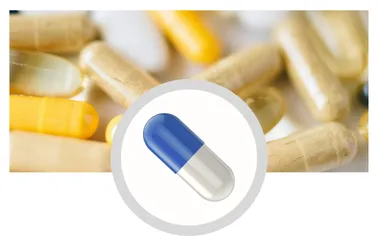
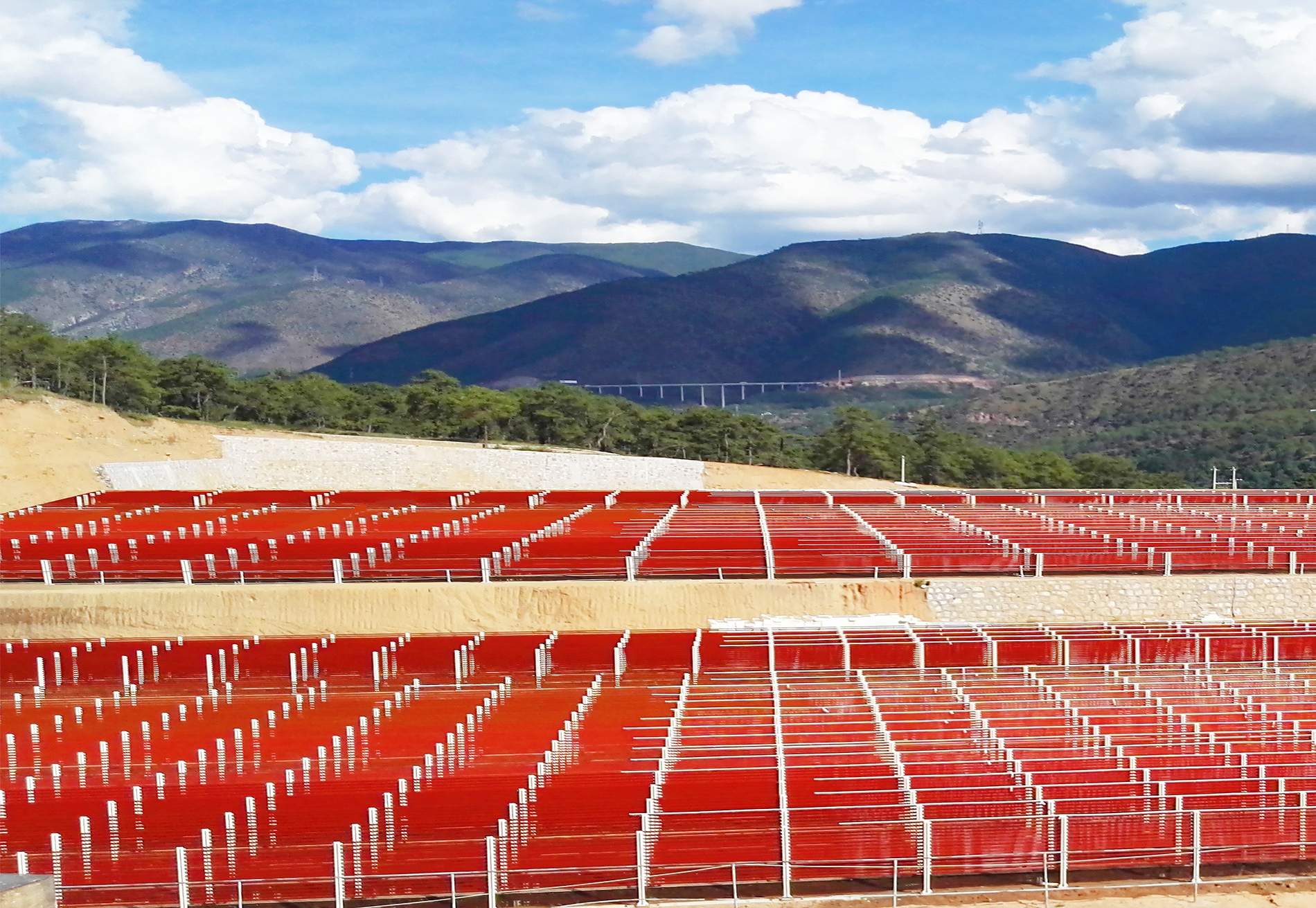
Figure 1: Advanced Time Release Tablet Manufacturing Facility
Detailed Manufacturing Process Flow for Time Release Tablets
The production of Time Release Tablet OEM/ODM Premix Service involves a meticulously controlled, multi-stage process designed to ensure precise release kinetics and product stability. Our approach integrates cutting-edge technology with stringent quality assurance protocols.
Key Stages of Production:
-
Raw Material Sourcing & QC:
All active pharmaceutical ingredients (APIs), nutritional compounds, and excipients (e.g., polymers like HPMC, ethyl cellulose; diluents, binders, disintegrants, lubricants) are sourced from approved, certified suppliers. Each batch undergoes rigorous incoming quality control (IQC) testing for identity, purity, potency, and absence of contaminants, adhering to pharmacopeial standards (USP, EP) and internal specifications.
-
Pre-Formulation & Premix Development:
Based on target release profiles (e.g., zero-order, first-order, pulsatile), our R&D team develops optimal premix formulations. This involves selecting appropriate polymer matrices, osmotic agents, and coating materials. Initial small-scale blending and granulation studies are conducted to assess flow properties and compressibility.
-
Granulation (Wet or Dry):
For wet granulation, ingredients are mixed with a binder solution to form granules, followed by drying and milling. Dry granulation (roller compaction) is used for moisture-sensitive materials. This process improves powder flow, content uniformity, and compactibility. Parameters like granule size distribution are tightly controlled.
-
Blending & Lubrication:
The granulated material is blended with lubricants (e.g., magnesium stearate) and other excipients to ensure homogeneous distribution and facilitate tablet ejection from the press. Blending time and intensity are optimized to prevent segregation and over-lubrication.
-
Tablet Compression:
Using advanced multi-station rotary tablet presses, the powder blend is compressed into tablets. Critical process parameters monitored include tablet weight uniformity, hardness (tensile strength), thickness, and friability. These are constantly checked via In-Process Control (IPC) to meet specifications. For specific time-release mechanisms, advanced tooling for bi-layer or multi-layer compression might be employed.
-
Coating (Film or Enteric/Barrier):
Tablets undergo coating in perforated pans or fluid bed coater. For time release, functional coatings are applied. These can be:
- Matrix Systems: API uniformly dispersed in an insoluble polymer matrix, from which it slowly diffuses.
- Reservoir Systems: A core containing the API coated with a rate-controlling polymer membrane.
- Osmotic Systems: A semi-permeable membrane enclosing an osmotic core, releasing API through a laser-drilled orifice.
- pH-Dependent Coatings: For enteric release, preventing breakdown in the stomach.
-
Curing & Final Quality Control:
Coated tablets often undergo a curing stage to stabilize the polymer film. Finally, tablets are subjected to comprehensive Finished Product Quality Control (FPQC), including dissolution testing (using USP apparatus 1, 2, or 3), assay, uniformity of dosage units, microbial limits, and stability testing according to ICH guidelines (e.g., accelerated and long-term stability studies).
-
Packaging:
Tablets are packaged in blisters, bottles, or sachets in controlled environments to protect against moisture, light, and oxygen, ensuring product integrity throughout its shelf life.
Testing Standards & Certifications:
Our manufacturing facilities operate under strict cGMP (current Good Manufacturing Practices) guidelines, ensuring compliance with global regulatory bodies such as FDA, EMA, and Health Canada. We adhere to ISO 22000 for food safety management systems for nutraceuticals and often maintain specific certifications like Halal or Kosher as per client requirements. All products undergo testing according to USP (United States Pharmacopeia) or EP (European Pharmacopoeia) monographs.
Target Industries & Applications:
- Pharmaceuticals: Sustained release of hypertension drugs, pain relievers, anti-diabetics, and antibiotics to maintain therapeutic blood levels and improve patient adherence.
- Nutraceuticals & Dietary Supplements: Extended release of vitamins (e.g., Vitamin C, B complex), minerals (e.g., Iron), botanicals (e.g., Ashwagandha, Turmeric), and probiotics for enhanced absorption and efficacy throughout the day.
- Animal Health: Controlled delivery of veterinary medications and supplements.
Advantages in Typical Application Scenarios:
- Improved Patient Compliance: Reduced dosing frequency (e.g., once daily vs. multiple times daily) leads to better adherence to treatment regimens.
- Enhanced Bioavailability & Efficacy: Optimized drug concentration profiles, minimizing peak-and-trough effects and potentially reducing side effects.
- Targeted Delivery: Enteric coatings ensure release in the intestines, protecting acid-sensitive compounds and preventing gastric irritation.
- Extended Therapeutic Window: Sustained release maintains drug levels within the therapeutic range for longer periods.
Technical Specifications and Data Visualization
Precision in formulation and manufacturing is paramount for successful controlled-release products. Our Time Release Tablet OEM/ODM Premix Service leverages advanced analytical techniques to define and meet exacting technical specifications.
Typical Time Release Tablet Product Specifications:
| Parameter | Specification Range / Description |
|---|---|
| Active Ingredient Content | 90.0% - 110.0% of label claim (USP) |
| Dissolution Profile (e.g., for 12-hour release) |
|
| Tablet Hardness | 80 - 180 N (Newton) (Dependent on formulation) |
| Friability | NMT 1.0% weight loss (USP) |
| Disintegration Time (for immediate release layer if present) | NMT 30 minutes (USP) |
| Moisture Content | Typically < 3.0% (Karl Fischer method) |
| Microbial Limits | Total Aerobic Microbial Count (TAMC) < 10^3 CFU/g, Total Yeast and Mold Count (TYMC) < 10^2 CFU/g (USP & WHO) |
| Excipients Used | HPMC, Ethyl Cellulose, Povidone, Lactose, Microcrystalline Cellulose, Magnesium Stearate (specific selection varies per formulation) |
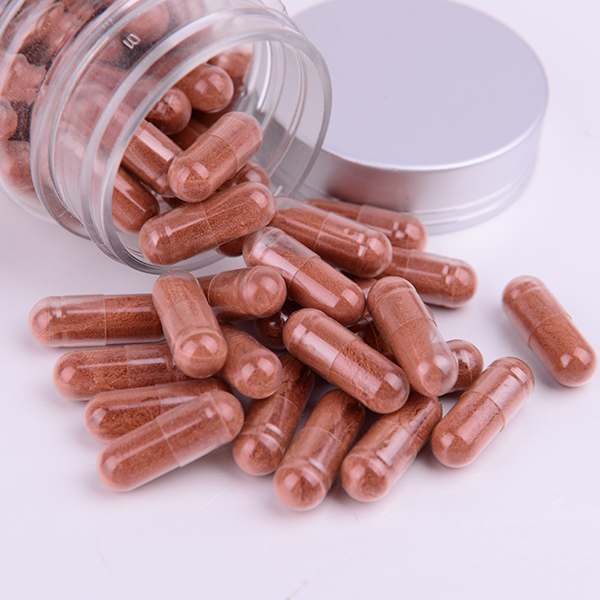
Figure 2: Quality Control Lab for Dissolution Testing
Comparative Analysis of Time Release Technologies:
Choosing the right controlled-release mechanism is crucial. Our expertise allows for optimization across various platforms. Below is a comparison of common time-release tablet technologies.
| Technology Type | Mechanism | Advantages | Limitations | Typical Duration |
|---|---|---|---|---|
| Matrix Systems | Drug dispersed in an insoluble/erodible polymer matrix; release by diffusion/erosion. | Relatively simple to manufacture, cost-effective, versatile for various drugs. | "Dose dumping" risk if matrix integrity compromised; often first-order release. | 4-12 hours |
| Reservoir (Coated) Systems | Drug core coated with a rate-controlling polymer membrane; release by diffusion through membrane. | More precise control over release kinetics (closer to zero-order); can achieve longer durations. | More complex manufacturing; risk of coating defects (e.g., "burst release"). | 8-24 hours |
| Osmotic Systems (OROS) | Drug pushed out by osmotic pressure through a laser-drilled orifice in a semi-permeable membrane. | Highly reproducible zero-order release profile, independent of pH/food. | High manufacturing cost; complex design; not suitable for very potent or insoluble drugs. | 12-24 hours |
| Multi-Layered Tablets | Distinct layers (e.g., immediate release + sustained release) compressed together. | Versatile for combination products; immediate and extended release in one dose. | Potential for layer separation; requires specialized tablet presses. | 8-16 hours |
Technical Advantages and Vendor Comparison
Our strategic advantage in providing Time Release Tablet OEM/ODM Premix Service stems from a deep commitment to innovation, quality, and client-centric solutions. We differentiate ourselves through a combination of expertise, advanced infrastructure, and robust support systems.
Core Technical Advantages:
- Formulation Expertise: Decades of experience in developing complex controlled-release profiles, including matrix, reservoir, osmotic, and multi-layered systems. Our R&D team utilizes advanced modeling and simulation software to predict release kinetics.
- State-of-the-Art Manufacturing: ISO-certified and cGMP-compliant facilities equipped with high-speed rotary tablet presses, precision coating machines, and integrated process analytical technology (PAT) for real-time monitoring and control.
- Analytical Prowess: Comprehensive in-house QC laboratories capable of advanced dissolution testing (including biorelevant media), chromatographic analysis (HPLC-UV, LC-MS/MS), and stability studies under ICH conditions.
- Scalability: Ability to handle batch sizes from pilot to commercial scale, ensuring a seamless transition from development to large-volume production without compromising quality or consistency.
- Regulatory Support: Expert guidance and documentation support for regulatory submissions across various markets (e.g., FDA, Health Canada, EMA, TGA).
- Intellectual Property Protection: Strict confidentiality protocols and robust legal frameworks to safeguard client formulations and proprietary information.
Vendor Comparison: Why Choose Us for Time Release Tablets
While many providers offer OEM/ODM services, our specialized focus on time-release technologies and our commitment to partnership distinguish us.
| Feature | Our Service | Typical Competitor |
|---|---|---|
| Specialization | Dedicated focus on complex controlled-release formulations (matrix, osmotic, multi-layer). | Generalist tablet manufacturer; limited expertise in advanced release kinetics. |
| R&D Capability | In-house R&D team with Ph.D. level scientists, advanced modeling, and rapid prototyping. | Limited in-house R&D; often relies on client's pre-formulated premixes. |
| Quality Certifications | cGMP, ISO 22000, HACCP, FDA-registered facilities. | Basic cGMP, may lack specific international accreditations for complex products. |
| Customization Level | Full customization from raw material selection to specific release profiles and dosage forms. | Standardized formulations with limited flexibility for bespoke requirements. |
| Analytical Support | Comprehensive in-house dissolution, stability, and impurity profiling with advanced instruments. | Basic QC testing; often outsources complex analytical work. |
| Client Partnership | Dedicated project management, transparent communication, long-term strategic collaboration. | Transactional approach, less emphasis on collaborative development. |
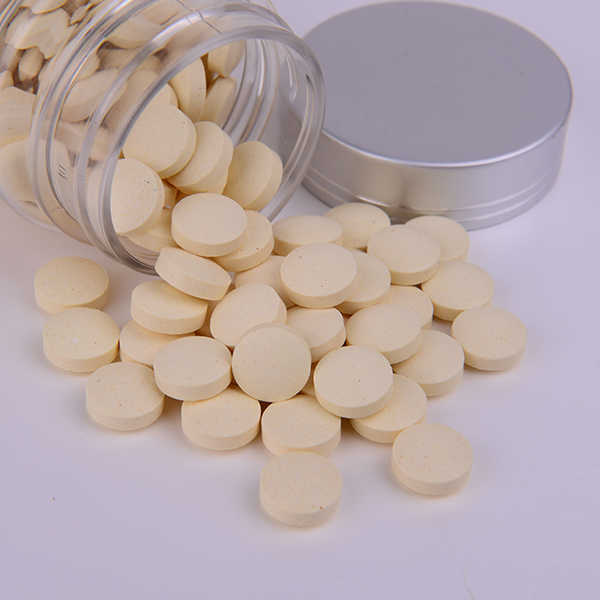
Figure 3: Advanced Research and Development for Tablet Formulations
Customized Solutions and Application Case Studies
Our Time Release Tablet OEM/ODM Premix Service is inherently designed for customization. We understand that each client's vision requires a unique formulation, and our process is structured to transform these requirements into high-performing, market-ready products.
The Customization Process:
- Consultation & Needs Assessment: Detailed discussion of client's active ingredients, target release profile, dosage strength, market positioning, and regulatory considerations.
- Formulation Design & Prototyping: Our R&D team drafts potential formulations, selects excipients, and develops initial prototypes for evaluation. This phase includes pre-formulation studies to assess API compatibility and stability.
- Pilot Batch Manufacturing & Optimization: Small-scale production to fine-tune manufacturing parameters, evaluate process scalability, and generate samples for preliminary stability and dissolution testing.
- Stability Studies & Regulatory Dossier Preparation: Comprehensive stability testing under various conditions (ICH guidelines) and preparation of all necessary documentation for regulatory approvals.
- Commercial Scale-Up & Production: Seamless transition to full-scale manufacturing, ensuring consistency and adherence to all specifications.
Application Case Studies:
Our expertise spans a wide range of applications, demonstrating our capacity to deliver effective controlled-release solutions.
-
Case Study 1: Extended-Release Multivitamin for Sports Nutrition
A leading sports nutrition brand sought a multivitamin tablet that would provide sustained nutrient release throughout the day, optimizing absorption and minimizing excretion. We developed a multi-layered tablet combining an immediate-release vitamin B complex layer for quick energy and a sustained-release vitamin C and mineral layer using an HPMC matrix. This ensured continuous nutrient delivery for over 8 hours, improving athlete performance and recovery. The product successfully passed stringent dissolution tests and was well-received in the market.
-
Case Study 2: pH-Targeted Probiotic Delivery System
A client required a probiotic supplement that could survive the harsh acidic environment of the stomach and release viable bacteria directly in the intestines. Our solution involved an enteric-coated tablet formulation. We utilized a specific methacrylate copolymer coating that remains intact in gastric pH (below 4.5) but dissolves rapidly in intestinal pH (above 6.0). This protected the sensitive probiotic strains, leading to a significant increase in colony-forming units (CFUs) reaching the target site, as validated by in-vitro dissolution and ex-vivo studies.
-
Case Study 3: 24-Hour Release Blood Pressure Medication (Hypothetical)
For a pharmaceutical client, we engineered a once-daily tablet for a hypertension medication, aiming for a consistent 24-hour therapeutic blood level. We employed an osmotic pump system, precisely controlling the release rate through a semi-permeable membrane and a laser-drilled orifice. This formulation delivered a near zero-order release profile, significantly improving patient compliance and blood pressure control compared to traditional immediate-release forms, as demonstrated in pharmacokinetic studies.
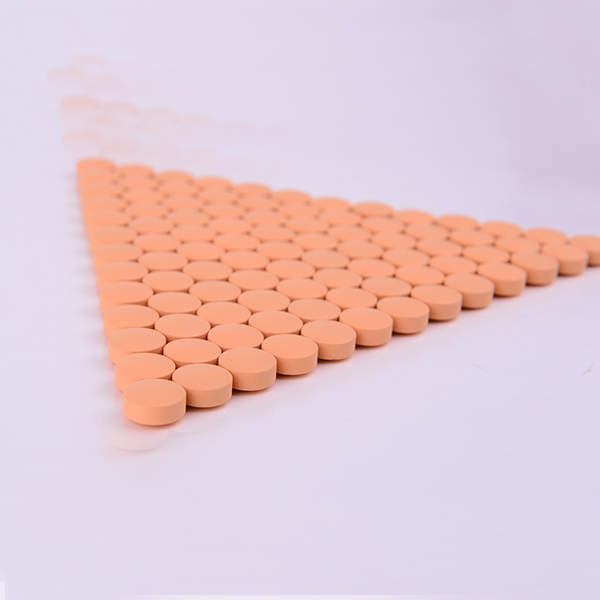
Figure 4: Automated Packaging Line for Finished Tablets
Trustworthiness and Client Support
Building and maintaining trust is paramount in the specialized field of Time Release Tablet OEM/ODM Premix Service. Our commitment extends beyond manufacturing to encompass comprehensive support, transparent processes, and unwavering quality assurance.
Frequently Asked Questions (FAQs):
- Q1: What is the typical lead time for a new Time Release Tablet OEM/ODM project?
- A1: Lead times vary depending on the complexity of the formulation and regulatory requirements. Generally, initial formulation and prototyping take 8-12 weeks. Pilot batch production and stability studies add another 12-24 weeks. Commercial scale-up and first production run can be achieved within 6-9 months from project initiation, provided all documentation and raw materials are readily available.
- Q2: What are your minimum order quantities (MOQs) for Time Release Tablets?
- A2: MOQs are determined by the specific formulation and active ingredient cost. For new custom formulations, pilot runs can start from 50,000 tablets. Commercial MOQs typically range from 200,000 to 500,000 tablets per SKU, depending on batch size efficiency and material costs. Please contact us for a detailed quote based on your specific needs.
- Q3: How do you ensure the quality and consistency of Time Release Tablets?
- A3: Our quality assurance system is built on cGMP principles, ISO 22000 standards, and adheres to pharmacopeial guidelines (USP, EP). This includes rigorous raw material inspection, in-process controls (IPC) at every stage of manufacturing, and comprehensive finished product quality control (FPQC), including dissolution profile verification, assay, and stability testing. Batch records are meticulously maintained and traceable.
- Q4: Can you assist with regulatory documentation and international market entry?
- A4: Yes, our regulatory affairs team provides extensive support, including drafting technical dossiers, Certificates of Analysis (CoA), Master Batch Records (MBR), and addressing specific market requirements (e.g., FDA, Health Canada, TGA, EMA). We can help navigate diverse international regulatory landscapes.
Warranty & After-Sales Support:
- Product Quality Guarantee: We provide a comprehensive warranty on all manufactured products, guaranteeing they meet agreed-upon specifications and stability profiles throughout their stated shelf life, provided they are stored and handled as per recommended conditions.
- Dedicated Account Management: Each client is assigned a dedicated project manager who serves as a single point of contact for all project-related inquiries, from development to post-launch support.
- Technical Support: Our team of scientists and engineers is available for ongoing technical consultation, troubleshooting, and advice on product improvements or new market opportunities.
- Continuous Improvement: We actively solicit client feedback and engage in continuous process improvement initiatives to enhance product quality, efficiency, and service delivery.
Our unwavering commitment to quality, transparency, and client success establishes us as a trusted partner in the demanding field of controlled-release dosage forms.
References
- Siepmann, J., & Siepmann, F. (2012). Mathematical modeling of drug dissolution. International Journal of Pharmaceutics, 418(1), 173-181.
- United States Pharmacopeial Convention. (2020). United States Pharmacopeia and National Formulary (USP-NF).
- International Council for Harmonisation of Technical Requirements for Pharmaceuticals for Human Use (ICH) Q1A(R2) Stability Testing of New Drug Substances and Products. (2003).
- Mishra, R., & Dhirendra, K. (2011). Recent approaches in the design and development of oral controlled drug delivery systems. Journal of Applied Pharmaceutical Science, 1(6), 1-7.
- Food and Drug Administration. (2018). Guidance for Industry: Extended Release Oral Dosage Forms: Development, Evaluation, and Application of In Vitro/In Vivo Correlations.
Post time:Sep - 19 - 2025