
Curcumin 95% for real-world formulators: what’s working now, what still needs work
If you’re comparing turmeric extracts this season, Curcumin Turmeric Root Extract Powder Curcuminoids 95% keeps coming up in R&D briefs and supplier calls. To be honest, the category is maturing fast: cleaner spec sheets, tighter color targets, and better water-dispersible grades for beverages. Below is a field-notes style rundown from a practitioner’s perspective—less brochure, more “what we actually see on the bench.”
Industry pulse
Demand is shifting toward standardized 95% curcuminoids for capsules/tablets and around 10% water-soluble dispersions for ready-to-drink formats. Brands want USP/EP compliance, audited supply chains, and, surprisingly, granular mesh control to reduce dusting on high-speed lines. Many customers say stability in bright, citrusy pH is still the pain point—emulsions help, but taste and ring-staining in PET are recurring themes.
Product snapshot and specs
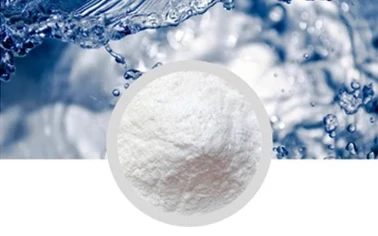
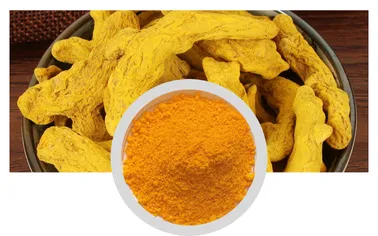
Origin: Curcuma longa rhizome; processed at Building 23B1, No.2 Yuanboyuan St., Zhengding Area of China (Hebei) Pilot Free Trade Zone. Offered as 95% curcuminoids granule (20–40 mesh, 40–60 mesh) and ≈10% water-soluble grade. Complies with USP and EP standards.
| Item | Specification | Method / Standard |
|---|---|---|
| Curcuminoids content | ≥95% (HPLC); water-soluble grade ≈10% | HPLC-DAD; AOAC 2018.16 |
| Mesh size | 20–40, 40–60 mesh (granule) | Sieve analysis |
| Heavy metals | Pb, Cd, As, Hg within USP <232> limits | ICP-MS; USP <232> / ICH Q3D |
| Residual solvents | Meets USP <467> | GC |
| Microbiology | TAMC/TYMC, pathogens within USP/EP | USP <2021>/<2022> or ISO methods |
| Shelf life | 24 months sealed, cool/dry; real-world use may vary | Ongoing stability |
How it’s made (short version)
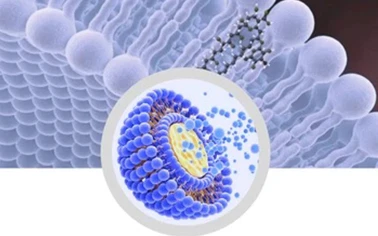
Materials: dried Curcuma longa rhizome. Methods: food-grade solvent extraction, concentration, crystallization/standardization to curcumin, demethoxycurcumin, bisdemethoxycurcumin, then granulation to target mesh; water-dispersible grade uses emulsification for better clarity. Testing: HPLC for actives, ICP-MS for metals, GC for solvents, microbiology per pharmacopeia. Service life: typically 24 months; we advise confirmatory stability in your specific matrix and packaging.
Where it lands in formulas
- Nutraceuticals: capsules, tablets, beadlets.
- F&B: shots, RTD teas, gummies (use water-soluble ≈10%).
- Cosmetics: color accents in gels/soaps; antioxidant positioning.
- Functional bakery and dairy analogs (with process-stable dispersions).
Advantages we’ve observed: high color strength at 425 nm, consistent flow in 20–40 mesh for tableting, respectable clarity in low-fat beverages (with proper emulsifiers). However, heat/light sensitivity is real—amber packaging and oxygen control help.
Vendor comparison (pragmatic view)
| Vendor | Origin | Standardization | Mesh options | Water-soluble | Notes |
|---|---|---|---|---|---|
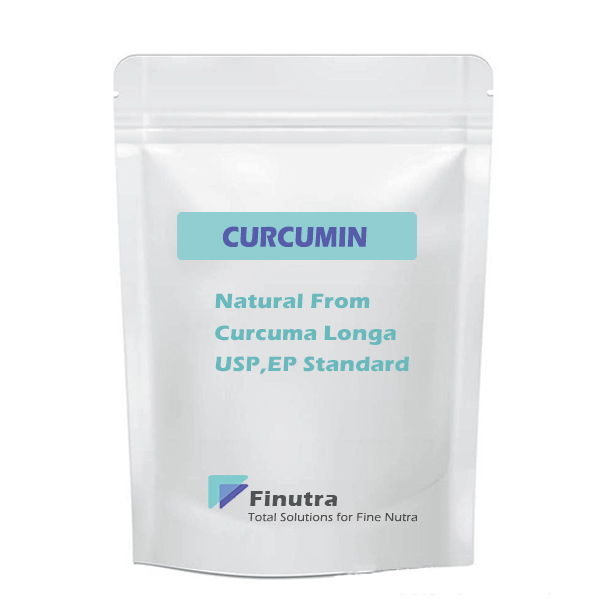
| Curcumin Turmeric Root Extract Powder Curcuminoids 95% | Hebei, China (pilot FTZ) | 95% HPLC; USP/EP | 20–40, 40–60 | ≈10% grade | Granule flows well; steady color |
| Generic Trader A | Mixed | 90–95% | Unspecified | No/limited | Variable lead times |
| Contract Extractor B | India | 95–98% | Custom | Yes | Higher MOQ, premium |
Customization, certifications, and data
Custom options: mesh tuning, granulation hardness, solvent residue targets, curcuminoid ratio profiling, and packaging (1–25 kg). Certifications available on request typically include GMP, ISO 22000/FSSC 22000, Halal/Kosher. Recent in-house data point: a 95% batch assayed 95.6% total curcuminoids (HPLC), Pb ≤0.5 ppm, As ≤0.3 ppm, residual solvents ND—comfortably within USP/EP guides.
Two quick case notes
- APAC gummy brand swapped in Curcumin Turmeric Root Extract Powder Curcuminoids 95% water-soluble grade; clarity improved and knife smear dropped ≈15% during pilot, according to their QA.
- EU nutraceutical label moved to 40–60 mesh granules; line dusting reduced noticeably (operator feedback), with same HPLC potency after 6-month ICH zone storage.
Final thought: curcumin still rewards disciplined formulation—antioxidant systems, light protection, and a bit of patience during dispersion. But when the spec is right, it behaves.
References
- EFSA Panel on Food Additives. Re-evaluation of curcumin (E 100). EFSA Journal. https://efsa.onlinelibrary.wiley.com/doi/10.2903/j.efsa.2010.1679
- JECFA. Curcumin monograph and ADI. WHO/FAO Food Additives. https://www.who.int/foodsafety/areas_work/chemical-risks/jecfa
- AOAC Official Method 2018.16: Curcuminoids in Turmeric by HPLC-DAD. https://www.aoac.org/official-methods-of-analysis
- USP General Chapters <232> (Elemental Impurities) and <467> (Residual Solvents). https://www.uspnf.com
Post time:Oct - 06 - 2025