
Exploring Cranberry Powder for Humans: A Natural Boost with a Long Industrial History
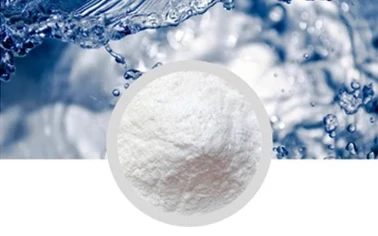
Having spent more than a decade in industrial equipment—mostly around food-grade processing lines—I’ve come to appreciate how much the quality of raw materials really matters. Cranberry powder, oddly enough, is a product that bridges traditional agriculture with modern health trends, and it’s been quietly gaining ground among consumers and manufacturers alike. The cranberry powder for humans sector offers a neat case study in supply chain care, product design, and end-user benefits.
Now, you might ask: “Why cranberry powder?” As someone who’s handled bulk powders and extracts, I can tell you it’s not just about nostalgia for the cranberry juice of your childhood. Cranberries pack unique antioxidants, namely proanthocyanidins, that supplement makers fiercely market for urinary health and immune support. But what’s often overlooked is how the powder form—dry and easy to handle—lends itself well to food supplements, functional drinks, and even industrial blending.
The processing technology behind creating cranberry powder is quite fascinating. Fruits are dried carefully (often using freeze-drying or spray-drying methods) to preserve the active compounds. Maintaining that boost in antioxidant activity requires precise temperature control; too hot, and you risk degrading those delicate molecules. I recall a client complaint related to discoloration—and it boiled down to temperature fluctuations during drying. That’s how sensitive these processes really are.
| Specification | Typical Value | Notes |
|---|---|---|
| Moisture Content | ≤ 6% | Ensures shelf stability |
| Proanthocyanidins | ≥ 10 mg/g | Key antioxidant marker |
| Particle Size | Fine powder, easy to blend | |
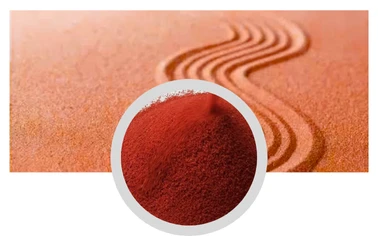
| Color | Deep red | Indicates freshness and quality |
| Shelf Life | 18 months | When stored dry & cool |
As I’ve worked closely with suppliers, the question of reliability always pops up. Not all cranberry powders are created equal — some come from direct fruit farming partnerships, while others might be blends from multiple sources. I once audited two vendors side-by-side, and the differences in purity and antioxidant content were notable. Here’s a quick rundown from that experience:
| Feature | Vendor A | Vendor B |
|---|---|---|
| Sourcing | US-grown | Mixed global |
| Antioxidant Content | 12 mg/g proanthocyanidins | 8 mg/g proanthocyanidins |
| Certifications | Organic, Non-GMO, Kosher | Non-GMO, Kosher |
| Price (per kg) | $35–40 | $28–33 |
| Delivery lead-time | 7–10 days | 14 days |
I tell you, these nuances absolutely matter when you design a supplement or functional food. The higher antioxidant content correlates with stronger health claims and consumer appeal. I recall a mid-sized vitamin company tried switching to the cheaper powder (Vendor B), but soon received feedback that efficacy seemed lower. Switching back was the right call, even if it nibbled at margins.
Testing is another crucial consideration. Beyond supplier certificates, many manufacturers implement independent lab verification, including methods like High-Performance Liquid Chromatography (HPLC) to quantify active compounds. As someone who’s sat through countless QA meetings, I can’t stress enough how inconsistencies can sneak in before you realize it—something as simple as humidity changes during shipping can degrade quality.
When it comes to usability, cranberry powder is admired for its versatility. It blends easily into smoothies, capsules, or gluten-free bars. And frankly, it adds a nicely tart flavor without artificial additives. I even know a customer who integrated it into pet supplements—odd, but it goes to show how broad applications really are.
To tie things together: picking the right cranberry powder means balancing purity, certification, price, and supply reliability. It feels like the little details along the way—from drying techniques to particle sizing—make or break the final product. If you want to see a trusted source, check out cranberry powder for humans suppliers who know this market well and back their powders with solid specifications.
Oddly enough, it’s a reminder that even a simple “powder” has a whole backstory, a supply chain, and plenty of expertise behind it. So if you’re thinking about incorporating cranberry powder into your product line, buying smarter upfront will save headaches down the road.
My takeaway: quality cranberry powder isn’t just a powder — it’s a commitment to consistency and health benefits your customers deserve.
- Institute of Food Technologists. “Cranberry Phytochemicals and Health.”
- Journal of Agricultural and Food Chemistry. “Effects of Drying on Cranberry Antioxidants.”
- Global Ingredient Sourcing Reports, 2023 Edition.
Post time:Dec - 13 - 2025