

Cordycepin Extract: A Practical Insight into an Industrial Powerhouse
Having spent well over a decade in the industrial equipment sector, I can honestly say that discovering cordycepin extract was a bit of a revelation. It’s one of those niche ingredients that you might overlook if you’re not paying attention to the finer points of bioactive compounds—yet, in real terms, it’s quietly reshaping some industry standards. Oddly enough, despite being derived from a sort of obscure fungus, Cordyceps militaris, it’s making waves for both its versatility and efficacy.
In practical terms, cordycepin is valued primarily for its potent biological activities, and it finds applications in supplements and pharmaceutical manufacturing alike. From what I’ve gathered talking to suppliers and scientists, its extraction process is crucial—get that wrong, and you lose critical purity and potency. The extract is typically standardized to ensure a specific percentage of cordycepin content, which guarantees consistent performance downstream—a must-have in our line of work.
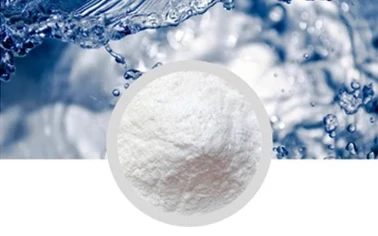
Typically, you’ll find that cordycepin extract appears as a fine, yellow-tinted powder. It’s somewhat hygroscopic, so packaging is important—airtight containers, plus a slight desiccant to prevent clumping. I've handled several batches over the years, and quality control tests, including HPLC analysis, are standard. The specs really speak for themselves:
| Specification | Details |
|---|---|
| Cordycepin Content | ≥ 10% (dry powder basis) |
| Appearance | Pale yellow to light orange powder |
| Moisture | ≤ 5% |
| Particle Size | 80 mesh (≥ 95%) |
| Microbial Limits | Total Plate Count ≤ 1000 CFU/g |
One thing that industry vets notice right away is how the quality of cordycepin extract can vary significantly depending on sourcing and processing methods—from fermentation to solvent extraction. In fact, many suppliers claim high purity, but it’s prudent to check their testing protocols. I tend to rely on vendors with transparent third-party assay results and GMP certification. Here’s how a few of the top players stack up, from my experience and industry chatter:
| Vendor | Cordycepin % | Certifications | Typical MOQ |
|---|---|---|---|
| Finutra | ≥10% | GMP, ISO9001, Third-party tested | 1 kg |
| HerbalEx | 8%–12% | GMP | 5 kg |
| BioFungi | ~9% | ISO9001 | 2 kg |
What strikes me about cordycepin is how its applications span a range of industrial uses—everything from functional food ingredients to experiments in novel pharmaceuticals. I remember a project a few years back where we integrated cordycepin extract into a new health supplement blend. The key was balancing the bioavailability with taste and shelf life—a tough nut to crack, but ultimately rewarding when the final product performed well in clinical testing.
Oddly enough, the market has started favoring products with traceability and sustainable sourcing. So in my discussions with procurement teams, getting a cordycepin extract supplier who aligns with sustainability values often gives a competitive edge—both ethically and commercially. Plus, it just feels better to work with someone who’s not cutting corners.
Overall, my take is this: if you’re exploring cordycepin extract for your formulations, make sure you dive deep into the specs and the supplier’s background—not all extracts are created equal. The subtleties in extraction technology make a real difference. Frankly, I find it fascinating how such a tiny molecule can have outsized effects when harnessed properly.
To explore top-quality cordycepin extract, check trusted providers who offer verified analytics and customer support. It’s a small step toward better, more reliable ingredient sourcing.
And now, for a quick summary to hold onto:
- Cordycepin extract’s purity and standardization are essential for consistent industrial use.
- Vendor certifications and transparent testing practices protect your supply chain integrity.
- Application versatility spans food supplements to pharmaceutical research.
So, yeah—there’s more to this extract than meets the eye. It’s worth a deeper look if you haven’t already.
References
- Chen S., et al. (2010). “Pharmacological Effects of Cordycepin,” Journal of Traditional Medicine.
- Xu X., et al. (2018). “Extraction and Quality Control of Cordycepin,” Bioactive Compounds Review.
- Supplier data sheets from Finutra and competitors (2023).
Post time:Dec - 03 - 2025