
Understanding Centella Asiatica Leaf Extract: Nature’s Gift to Skin and Science
If you’re familiar with natural skincare or herbal supplements, you’ve probably heard of centella asiatica leaf extract somewhere along the way. But why is this plant extract suddenly in the spotlight globally? Well, it’s not just a passing trend—centella asiatica leaf extract has roots (pun intended) that reach deep into traditional herbal medicine, and its growing adoption in modern industries unfolds a story of promise. From aiding wound healing to boosting skin health, this botanical marvel has gained traction not only among holistic healers but also pharmaceutical companies, cosmetic giants, and researchers alike.
Understanding centella asiatica leaf extract means tapping into centuries of ethnobotanical knowledge, combined with cutting-edge scientific validation. Globally, as consumers and professionals alike prioritize natural and sustainable ingredients, centella asiatica fits well into this wave, offering potent bioactive compounds that meet the demands of efficacy and eco-consciousness.
Why the World Pays Attention: The Global Context
According to the United Nations’ reports on traditional medicine use, nearly 80% of the world’s population in developing countries rely on plant-based treatments to meet primary healthcare needs. Centella asiatica, also known as Gotu Kola, is widely cultivated in parts of Asia, Africa, and South America. The World Bank emphasizes growing interest in biopharmaceutical applications of herbal extracts, given their relatively low cost, accessibility, and minimal side effects compared to synthetic drugs.
Yet, modern society faces challenges—skin diseases are disorders affecting millions, and with rising pollution and aging populations, demand for safe, natural skin-repair agents has surged. Here’s where centella asiatica leaf extract steps in, bridging traditional wisdom with urban health challenges.
What Is Centella Asiatica Leaf Extract?
Simply put, centella asiatica leaf extract is a concentrated form of the compounds derived from the leaves of the centella asiatica plant. This perennial herbaceous plant thrives in wetlands and tropical climates, often referred to as the "herb of longevity" or "Asian pennywort." It contains a unique blend of active components — notably asiaticoside, madecassoside, and asiatic acid — that contribute to its healing, anti-inflammatory, and antioxidant properties.
In modern industries, this extract appears in various formulations: from pharmaceuticals targeting wound healing and vascular insufficiencies, to cosmetics aiming to reduce wrinkles and improve skin hydration. Its versatility is quite something; it’s almost like the Swiss Army knife of botanical extracts.
Core Components and Their Practical Impact
1. Asiaticoside and Madecassoside: Healing Powerhouses
These triterpenoids help stimulate collagen synthesis, crucial for wound healing and skin repair. Studies show they enhance fibroblast proliferation, which supports tissue regeneration.
2. Anti-inflammatory and Antioxidant Activity
Centella asiatica leaf extract reduces skin inflammation by modulating cytokine pathways, while its antioxidants neutralize free radicals. This dual action helps in soothing sensitive skin and preventing premature aging.
3. Moisturization and Skin Barrier Support
The extract encourages the formation of new capillaries and thickening of the epidermis, supporting skin hydration and barrier integrity.
4. Safety and Biocompatibility
Unlike many synthetic compounds, it boasts a well-established safety profile — crucial for cosmetics and pharmaceutical applications where irritation or sensitization risks must be minimized.
Product Specification Table: Typical Centella Asiatica Leaf Extract (Standardized)
| Parameter | Details |
|---|---|
| Plant Source | Centella asiatica (whole leaves) |
| Active Ingredients | Asiaticoside (10-12%), Madecassoside (6-8%) |
| Appearance | Brownish-Green Powder |
| Solubility | Water soluble / alcohol solution |
| Moisture Content | ≤8% |
| Shelf Life | 24 months (cool & dry storage) |
Global Applications & Use Cases
Its therapeutic qualities have been harnessed worldwide. In Asia — countries like India, Thailand, and Sri Lanka use it extensively in Ayurvedic and traditional Chinese medicine. Pharmaceutical companies in Europe incorporate centella asiatica leaf extract in topical creams targeted at venous insufficiency and scar reduction.
In cosmetics, brands dub it a “miracle herb” for sensitive and aging skin, featuring it prominently in anti-aging serums and moisturizers. The extract’s role in wound healing also assists humanitarian medical organizations treating skin ulcers in low-resource settings. Organizations working in disaster relief operations have explored incorporating the extract in dressings to accelerate healing and reduce infection rates.
Vendor Comparison Table: Key Suppliers of Centella Asiatica Leaf Extract
| Vendor | Standardization | Certification | Price Range (per kg) |
Sustainability |
|---|---|---|---|---|
| HerbaNaturals Ltd. | 10% Asiaticoside | ISO 9001, GMP | $180 - 220 | Organic farming certified |
| GreenPharma Extracts | 12% Asiaticoside + 7% Madecassoside | ISO 22716, Non-GMO | $200 - 250 | Sustainable wild-harvesting |
| BotanicEssence Corp. | 8-10% Asiaticoside | GMP Certified | $150 - 190 | Conventional agriculture |
Advantages & Long-Term Value
The value centella asiatica leaf extract brings is multifaceted. Financially, it offers a cost-efficient natural remedy compared to synthetic alternatives that can require expensive side-effect management. Environmentally, its cultivation is fairly sustainable, particularly when sourced through organic or ethical wild harvesting.
From a human perspective, it instills trust. You’re not asking your skin or body to take a leap into unknown chemicals but instead harnessing nature’s time-tested toolbox. For elderly or sensitive users, it offers dignity — a way to manage skin integrity with fewer risks.
Emerging Trends & Innovations
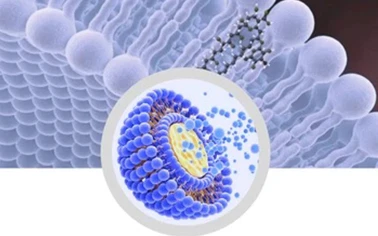
Science continues to unravel new potential. Researchers are currently investigating nano-encapsulation technology to boost bioavailability of centella asiatica compounds in topical applications, enhancing penetration for deeper effects. Industry watchers note a rise in “green extraction methods” — like supercritical CO₂ processes — improving purity while reducing solvent use, aligning well with sustainability goals.
Moreover, the integration of centella asiatica leaf extract in digital health solutions (think wearable patches delivering botanical actives) may be on the horizon. Oddly enough, a plant revered for millennia is now finding its place in futuristic healthcare models.
Challenges & Practical Solutions
It’s not all rosy. Quality control can be challenging due to natural variability in plant source materials. Adulteration and inconsistent standardization remain issues. Further, some products don’t clearly label active compound percentages, leading to unpredictable results for consumers.
Experts emphasize the necessity of certified sourcing and stringent analytical testing (HPLC, UV spectrometry) to ensure batch consistency. Developments in blockchain for supply transparency also promise better traceability. Meanwhile, educating consumers about differentiating production grades will mitigate risks of misguided purchases.
FAQ: Frequently Asked Questions About Centella Asiatica Leaf Extract
- How does centella asiatica leaf extract help with wound healing?
It promotes collagen synthesis and fibroblast proliferation, which accelerates tissue repair. Its anti-inflammatory properties reduce swelling, enabling faster recovery. - Is centella asiatica leaf extract safe for sensitive skin?
Generally yes, thanks to its anti-irritant bioactives. However, patch testing is recommended, especially for severe allergies. - Can centella asiatica leaf extract be used daily in skincare?
Absolutely. Many cosmetic formulations include it for daily use to improve skin hydration and elasticity over time. - Where can I reliably purchase quality centella asiatica leaf extract?
Look for suppliers with transparent certification (e.g., GMP, ISO) and clear standardization info. Reputable brands often source organically or sustainably. - Are there any limitations to using this extract for medical applications?
It’s effective for mild to moderate skin concerns but is not a substitute for professional treatment of serious conditions. Consult healthcare providers when necessary.
Wrapping Up: The Last Word on Centella Asiatica Leaf Extract
Centella asiatica leaf extract exemplifies how traditional knowledge and modern science can converge beautifully. Its proven benefits in skin repair and health, sustainability profile, and adaptability in industries paint a promising future. Frankly, it feels like nature showing off its versatility, while we simply learn the best ways to use it.
Curious to learn more or explore supply options? Visit our dedicated portal at finutra.com where we dive deep into botanical ingredients and their innovations.
Mini takeaway: In a world increasingly seeking natural, effective, and sustainable solutions, centella asiatica leaf extract shines as a trustworthy ally for skin health and beyond.
References:
Post time:Dec - 02 - 2025