
Exploring the Centella Asiatica Herb: Nature’s Miracle Plant with Global Impact
If you’ve ever wandered down the path of herbal remedies or natural skincare, you probably stumbled upon the centella asiatica herb, also fondly known as gotu kola. This unassuming leafy green is not just a local jungle secret anymore — it’s making waves worldwide for its healing properties, ecological benefits, and potential to transform industries ranging from pharmaceuticals to cosmetics.
So, why does centella asiatica matter globally? For starters, its bioactive compounds lend themselves to wound healing, cognitive enhancement, and even stress relief, making it both a medicinal marvel and an ingredient for wellness products. Plus, with a global wellness market projected to hit nearly $7 trillion by 2025 (source: Global Wellness Institute), the herb’s exploration is no niche curiosity — it’s a booming sector with social and economic ripples worldwide.
Mini takeaway: Centella asiatica herb is more than a plant; it’s a multi-beneficial resource intertwined with health, industry, and cultural heritage, warranting deeper understanding.
Global Context: Why the Centella Asiatica Herb Matters More Than Ever
Across Asia, Africa, and even parts of South America, the centella asiatica herb has been a traditional staple in holistic health for centuries. But here’s the kicker: beyond its centuries-old use, it’s recently attracted scientific and commercial interest on a global scale. According to FAO reports, the demand for sustainable, plant-based active ingredients is rising sharply due to environmental concerns and consumer awareness.
With healthcare challenges evolving, especially in developing regions, natural herbs like centella asiatica fill gaps where conventional medicines might not be readily affordable or available. It’s also part of the growing trend toward embracing ethnobotany and indigenous knowledge in modern therapeutics.
Yet, sustainably harvesting and commercializing centella asiatica presents its own set of challenges — including maintaining genetic purity, avoiding overexploitation, and ensuring fair compensation to local harvesters.
Mini takeaway: Centella asiatica’s global relevance sits at the intersection of tradition, science, economy, and sustainability — a delicate balancing act to watch.
What Is Centella Asiatica Herb? A Simple Definition
In simple terms, centella asiatica is a creeping perennial herbaceous plant belonging to the Apiaceae family. It thrives in marshy, tropical climates and is characterized by fan-shaped green leaves and small white or pink flowers. Commonly called gotu kola or Indian pennywort, it’s prized for its triterpenoid compounds, including asiaticoside and madecassoside, which are linked to healing and anti-inflammatory effects.
Industrially, it’s utilized in creating topical creams, supplements, and even cosmetics aimed at improving skin elasticity and reducing scarring. Humanitarian sectors also incorporate centella asiatica extracts into formulations to help wound care in resource-poor settings, making it both a natural healer and commercial asset.
Mini takeaway: Centella asiatica herb blends biology with practical utility, bridging traditional medicine and modern industry.
Core Components and Properties of the Centella Asiatica Herb
- Triterpenoid Saponins: These bioactive molecules (like asiatic acid) promote collagen synthesis, enhancing wound healing and skin repair.
- Flavonoids and Antioxidants: They combat oxidative stress, providing anti-aging and anti-inflammatory benefits.
- Essential Vitamins and Amino Acids: These nourish tissues and support neural function, explaining cognitive benefits.
- Adaptogenic Qualities: Interesting for stress relief, the herb modulates cortisol levels, hence its use in mood-related supplements.
- Hydrophilic Extracts: These make it suitable for topical preparations, enhancing skin absorption and efficacy.
Each component contributes to centella asiatica's wide-ranging applications, especially when formulated correctly. The balance of these compounds influences potency and purity, which is why standardized extracts are preferred in industrial use.
Mini takeaway: Understanding the herb’s phytochemistry is essential for unlocking its full therapeutic and commercial potential.
Global Applications & Real-World Use Cases
In the skincare industry, centella asiatica herb is a superstar ingredient in anti-aging creams, burn treatments, and moisturizers because of its collagen-boosting and soothing traits. Korean and Japanese beauty brands have popularized its use, spotlighting it in the booming “clean beauty” trend.
Humanitarian projects also embrace centella asiatica for wound treatment. In post-disaster relief operations in Southeast Asia, local NGOs have used creams or poultices containing its extracts to accelerate healing where medical resources are scarce.
Moreover, in Ayurveda and traditional Chinese medicine, it’s commonly used for cognitive enhancement and circulatory health. Pharmaceutical companies are investigating formulations to leverage its neuroprotective effects in Alzheimer’s and other neurodegenerative diseases — though the science here is still evolving.
Mini takeaway: From remote villages to high-tech labs, centella asiatica herb proves its versatility across diverse contexts worldwide.
Advantages & Long-Term Value of Using Centella Asiatica Herb
- Cost-Effective: The herb can often be cultivated with minimal resources, reducing costs compared to synthetic pharmaceuticals.
- Sustainability: When farmed responsibly, centella asiatica supports biodiversity and traditional livelihoods.
- Social Impact: Successful cultivation programs empower rural communities, fostering economic growth and preserving cultural heritage.
- Reliability: Extensive ethnobotanical records support its efficacy, providing trustworthiness to it as a therapeutic option.
- Emotional Benefits: Using a natural remedy invokes a sense of connection to nature, tradition, and holistic wellbeing.
It’s the kind of plant that offers more than just skin-deep benefits — it resonates emotionally and culturally, which is probably why it’s been around for so long.
Product Specification Table for Centella Asiatica Extracts
| Specification | Standard Range | Notes |
|---|---|---|
| Total Asiaticoside Content | ≥ 10% | Measured by HPLC |
| Moisture Content | ≤ 10% | Ensures shelf life |
| Heavy Metals | Compliant with USP limits | Safety test |
| Ash Content | ≤ 8% | Impurity indicator |
Vendor Comparison: Leading Centella Asiatica Herb Suppliers
| Vendor | Origin | Extract Types | Certifications | Moisture Control | Typical Lead Time |
|---|---|---|---|---|---|
| Herbal Origins Ltd. | India | Powder, Liquid | ISO, GMP, Organic | < 9% | 3-4 weeks |
| Asian Herbals Inc. | Vietnam | Tincture, Powder | Organic, Fair Trade | 8-10% | 2-3 weeks |
| EcoBotanics Group | Sri Lanka | Standardized Extract | ISO, GMP | < 8% | 4-5 weeks |
Emerging Trends and Future Innovations
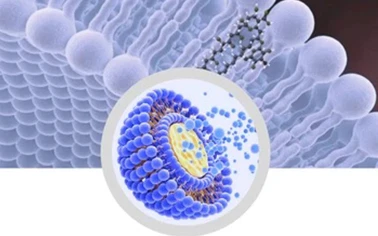
Interestingly, researchers are exploring nano-formulations of centella asiatica compounds to improve bioavailability and targeted delivery. With green chemistry gaining traction, we’re also seeing eco-friendly extraction methods using supercritical CO2, which reduce solvent waste and improve extract purity.
On the policy front, sustainability certification programs adapted by the Global Organic Textile Standard (GOTS) and similar bodies influence how producers grow and harvest the herb responsibly. Digital traceability using blockchain is an upcoming innovation to ensure ethical sourcing, a major concern for conscientious consumers.
Mini takeaway: The future for centella asiatica blends technology and sustainability, promising cleaner, more effective products with verified ethical origins.
Challenges and Practical Solutions
One recurring limitation is variation in phytochemical content due to environmental factors and harvesting methods. This inconsistency makes standardization tricky, especially for pharmaceutical-grade extracts.
Furthermore, overharvesting risks depleting wild stocks, threatening biodiversity and local economies. Experts recommend cultivating centella asiatica in controlled environments or agroforestry systems that mimic natural habitats, which can increase yield and quality.
Another problem is educating consumers about authentic sources amid a market flooded with adulterated or low-quality products. Industry-wide certification and transparency initiatives help build trust and safeguard efficacy.
Frequently Asked Questions About Centella Asiatica Herb
- Is centella asiatica herb safe for daily skin use?
Generally, yes. Topical formulations with standardized extracts are safe and effective for skin healing and hydration. Still, allergy tests are advisable for sensitive skin. - How does centella asiatica help cognitive functions?
Its antioxidants and neuroprotective compounds help improve memory and reduce anxiety by modulating neurotransmitters and oxidative stress levels. - Can centella asiatica be organically grown?
Absolutely. Many suppliers use organic farming practices that avoid pesticides and synthetic fertilizers, aligning with sustainability goals. - What’s the shelf life of centella asiatica extracts?
Usually between 12 to 24 months if stored away from light and moisture, depending on the formulation and moisture content.
Conclusion & Call to Action
In real terms, centella asiatica herb is a remarkable plant with ancient roots and futuristic promise. It serves as a bridge between natural medicine and modern industry, highlighting sustainability, health benefits, and economic potential. Whether for a skincare brand, a nutraceutical company, or a humanitarian organization, understanding and using this herb wisely can unlock significant value.
If you’re intrigued and want to dive deeper into the benefits and sourcing of centella asiatica, head over to Finutra’s website where expert insights and high-quality extracts await.
Oddly enough, sometimes the smallest leaves can hold the biggest stories — and solutions.
References:
Post time:Dec - 02 - 2025