
Cat's Claw Extract Uses: Unlocking the Power of a Traditional Remedy in Modern Health
Cat's claw extract uses have drawn increasing attention globally, bridging ancient wisdom with contemporary science. This remarkable herbal compound, derived from the vine Uncaria tomentosa native to the Amazon rainforest, offers a variety of health benefits—from immune support to reducing inflammation. Understanding its multiple applications is increasingly vital in an era where natural supplements are both sought after for health and wellness and scrutinized for scientific credibility.
Why Cat's Claw Matters Globally
Roughly 80% of the world's population relies on traditional medicine for primary healthcare, according to the World Health Organization. Cat's claw extract, rich in alkaloids and antioxidants, adds valuable diversity to natural supplements. In regions where healthcare access is limited, such botanical extracts provide an important alternative or complement to pharmaceutical treatments. Furthermore, the extract's anti-inflammatory and immune-modulating properties are promising in chronic diseases prevalent worldwide.
However, despite its popularity, the market is rife with inconsistent quality and sometimes exaggerated claims. This makes an informed, cautious approach all the more necessary.
What Exactly Are Cat's Claw Extract Uses?
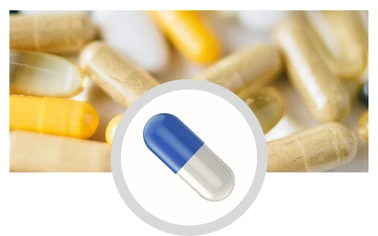
Simply put, cat's claw extract uses refer to the different therapeutic and wellness applications of the concentrated substances derived from the plant’s inner bark and root. Traditionally consumed as teas or tinctures in South America, modern formulations include capsules, powders, and liquid extracts. The extract is chiefly used for immune system enhancement, anti-inflammatory effects, and gastrointestinal health support—areas where it has a plausible scientific basis.
Industries such as nutraceuticals, dietary supplements, and even cosmetic companies utilize cat’s claw extract for its natural, bioactive components, meeting the consumer demand for plant-based health products.
Core Components Influencing Practical Use
1. Alkaloids
These nitrogen-containing compounds contribute significantly to the extract’s anti-inflammatory and immunostimulant effects. Many studies highlight their role in modulating immune cell activity.
2. Antioxidants
Phenolic compounds and flavonoids help neutralize free radicals, which are involved in aging and chronic diseases.
3. Bioavailability
The extract’s absorption rate influences how effective it truly is when ingested. Processing methods can enhance or diminish this key trait.
4. Safety Profile
Generally considered safe at recommended doses, but people with autoimmune diseases or taking blood thinners are advised to avoid it, pending consultation with a healthcare provider.
5. Standardization
Ensuring consistent levels of active compounds across batches is critical for reliable results, which is a challenge in herbal products.
Global Applications & Use Cases
Cat's claw extract finds diverse applications worldwide, especially in:
- South America: Longstanding traditional medicine uses among indigenous communities.
- Europe & North America: Popular supplements for joint health and immune support, often found in holistic health stores.
- Cosmetic Industry: Used for its antioxidant properties, added to anti-aging skincare formulations.
- Complementary Oncology: Some integrative clinics utilize it as part of supportive cancer care, though conclusive evidence is pending.
For instance, in post-disaster humanitarian aid zones lacking robust healthcare, affordable cat's claw supplements can aid immune function and inflammation reduction among affected populations.
Typical Product Specifications
| Specification | Typical Range |
|---|---|
| Alkaloid Content | 1.5% – 3.5% |
| Extraction Solvent | Ethanol or Water |
| Moisture Content | Less than 10% |
| Shelf Life | 2 years (sealed) |
| Formulation Types | Powder, capsule, tincture |
Vendor Comparison: Leading Cat's Claw Extract Suppliers
| Feature | Amazon Botanicals | HerbalScience Inc. | Natural Roots Co. |
|---|---|---|---|
| Alkaloid Standardization | 2.5% | 3.0% | 1.8% |
| Organic Certification | Yes | No | Yes |
| Processing Method | Cold extraction | Ethanol extraction | Hot water extract |
| Price per kg (USD) | $120 | $100 | $130 |
| Lead Time | 2 weeks | 1 week | 3 weeks |
Advantages and Long-Term Value of Cat's Claw Extract
From a practical angle, its affordability and natural origin appeal strongly to consumers seeking safer, more holistic approaches to health. The sustainability aspect also matters—harvesting wild cat's claw can promote biodiversity conservation when done responsibly.
But beyond chemistry and economics, many users report improved vitality, inflammation relief, and immune balance, which is where emotional impact intersects with logical benefits. And honestly, there’s a kind of soothing trust in nature’s remedies that pharma sometimes lacks.
Future Trends and Innovations
Technological advances are refining extraction and standardization processes, increasing efficacy and safety. There’s also a push toward sustainably grown cat's claw to reduce habitat destruction. Digital health platforms are starting to track patient responses to herbal supplements like cat's claw extract using wearable tech — which is pretty fascinating for natural medicine.
Moreover, integration with other botanical extracts in synergistic formulas might unlock more potent health effects, supported by growing clinical research.
Challenges and Solutions in Cat's Claw Extract Use
Oddly enough, quality inconsistency remains a key barrier. The lack of strict regulation for supplements allows for varied potency and sometimes adulteration. That’s why choosing verified suppliers with transparent quality controls is crucial.
Also, the relative scarcity of large-scale clinical trials can leave consumers skeptical, although smaller studies have promising results. Collaboration between academic researchers and herbal suppliers could pave the way for better evidence and wider acceptance.
Frequently Asked Questions About Cat's Claw Extract Uses
-
Q: What conditions is cat's claw extract most effective for?
A: Primarily for immune system support, inflammation reduction, and gastrointestinal issues. Research supports its potential in arthritis and certain autoimmune conditions, but consultation with a healthcare provider is recommended. -
Q: Are there side effects or risks with cat's claw supplements?
A: Generally safe if taken as directed. However, people with autoimmune diseases or on immunosuppressant drugs should avoid it due to immune modulation effects. -
Q: How does the extract compare with the raw bark teas?
A: Extracts are typically standardized for potency, offering more consistent dosage and convenience compared to teas brewed at home, which can vary greatly. -
Q: Can cat's claw extract be used alongside conventional medicines?
A: It may interact with certain drugs (blood thinners, immunosuppressants). Always discuss with a doctor before combining. -
Q: How can businesses ensure quality sourcing of cat's claw extract?
A: Look for suppliers with organic certification, transparent alkaloid standardization, and third-party testing. Sustainable harvesting practices are also a plus.
Conclusion: Embracing Cat's Claw Extract Uses for Holistic Wellness
Cat's claw extract offers a compelling blend of traditional efficacy and modern application. It’s a botanical with a growing role in natural health, immune support, and managing inflammation. While challenges like quality control and limited clinical trials remain, thoughtful sourcing and ongoing research promise a trustworthy future for this herb.
Want to explore natural health solutions? Visit our website: https://www.finutra.com to learn more about quality cat's claw extract products and cat's claw extract uses tailored for wellness.
Mini takeaway: Cat's claw extract straddles tradition and science, offering accessible natural support for immune and inflammatory health worldwide.
References
Post time:Dec - 02 - 2025