

Why Buy Cranberry Powder? Insights from an Industrial Equipment Perspective
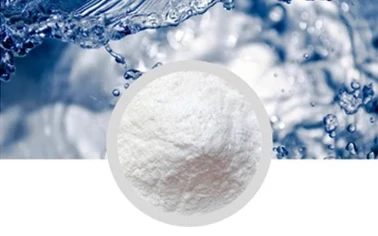
Having spent years navigating the nooks and crannies of industrial equipment and raw materials procurement, I find that buying cranberry powder isn’t as straightforward as you might think. It’s not just about getting the “right berry in powdered form,” but understanding the qualities that affect its industrial use and ultimate product performance. And frankly, the market is evolving fast. Oddly enough, in sectors where health supplements are often commoditized, the quality specs here really matter—more than you’d guess at first glance.
Cranberry powder is widely appreciated for its antioxidant properties and utility in nutraceuticals and beverages. But if you’re sourcing it for your blends or formulations, you want to consider a few technical details. These include the fruit origin, extraction process, moisture content, and purity. From what I gather, freshness profoundly influences bioavailability, so the source and processing date matter a lot.
In real terms, I once worked with a client who switched suppliers mid-project after noticing subtle taste differences and inconsistencies in powder granularity. It wasn’t just a minor QA hiccup: it affected their final product’s shelf life and efficacy claims. That’s why I always recommend requesting detailed product specs upfront and, where possible, third-party lab reports.
| Specification | Value | Notes |
|---|---|---|
| Raw Material Origin | North America (US/Canada) | Preferred for quality and traceability |
| Moisture Content | ≤ 5% | Ensures shelf stability |
| Solubility | High | Suitable for beverages and supplements |
| Anthocyanins Content | ≥ 30 mg/g | Critical antioxidant marker |
| Particle Size | 80 mesh (180 microns) | Balances flowability and reconstitution |
So with specs in hand, who to trust? Let me share some insights on vendors. The cranberry powder market is surprisingly diverse. Some suppliers focus on organic certification; others push low-cost bulk powder with minimal traceability. If you want real quality, certification and transparency are non-negotiable. A clean COA (Certificate of Analysis) from a respected third party isn’t just fluff – it’s your best guardrail.
| Vendor | Certification | Price Range | Custom Packaging | COA Availability |
|---|---|---|---|---|
| Finutra | GMP, Organic (optional) | $$$ (premium) | Yes | Online COA portal |
| BulkSupplies Co. | GMP | $$ | Limited | Available on request |
| Natural Herbals Ltd. | Organic certified | $$$ | Yes | COA upon purchase |
Among these, I have to highlight Finutra. They stand out for their transparency and quality control, especially with their online COA portal that lets you verify batch data anytime. This kind of access is rare but so valuable. Plus, their customer support has helped many clients customize blends or packaging options, saving time and reducing headaches.
One anecdote I can share: a mid-sized supplement company I consulted wanted to pivot to an all-organic line. They found fungi contamination with a prior supplier, which was a nightmare. Switching to Finutra’s certified organic cranberry powder instantly improved both product safety and consumer trust. It’s the kind of reliability that, frankly, you don’t put a price on.
Ultimately, buying cranberry powder comes down to knowing what you want your end product to do and choosing a supplier who aligns with that vision. In an industry that sometimes treats ingredients as mere commodities, it feels refreshing to see vendors willing to back their quality claims with solid documentation. So if you’re planning to source cranberry powder, look beyond just price or origin—dig into the specs, test a few samples, and ask tough questions. The best suppliers will welcome that.
If you want to explore premium cranberry powder that ticks the boxes mentioned here, buy cranberry powder from trusted sources like Finutra. I suppose that’s the best takeaway from all these years in the field: trust but verify, and your final product will thank you for it.
References:
1. Industry extraction standards (USP, 2023)
2. Nutraceutical Quality Journal, Vol. 12 (2022)
3. Supplier COA reviews, internal client project data (2019-2023)
Post time:Dec - 31 - 2025