Why Bearberry Extract in Skin Care Deserves Your Attention
Bearberry extract in skin care has quietly become a favorite of cosmetic formulators and natural beauty enthusiasts alike. At first glance, it’s just a humble plant derivative, but dig a little deeper, and you find a world of benefits with a global footprint. Skin health is a universal concern, after all — and people have been exploring plant-based solutions for centuries.
Understanding bearberry extract’s role is not just about choosing a cleanser or cream. It’s about connecting traditional wisdom with modern science, and even appreciating its environmental and socio-economic impacts worldwide.
Introduction: The rising global interest in natural skin care ingredients
The global skincare market was valued at over $140 billion in 2023, with natural and organic products gaining a steady 8% annual growth rate according to the International Trade Centre. Consumers are becoming more conscious about what goes into their creams, serums, and masks. They want safe, effective ingredients — ideally sourced sustainably and ethically. That’s where bearberry extract shines.
Derived from the leaves of the Arctostaphylos uva-ursi plant, bearberry extract contains arbutin, a compound celebrated for its skin-brightening properties. Brightening, reducing pigmentation, and gentle exfoliation — these are challenges consumers face every day, and bearberry extract offers a promising natural solution.
Yet, sourcing this plant is a complex task, often concentrated in colder climates like Northern Europe, North America, and some parts of Asia. Balancing demand with sustainable harvest practices remains an ongoing concern. Moreover, concerns about standardization and potency lead to formulation challenges across the cosmetic industry.
What exactly is bearberry extract in skin care?
Simply put, bearberry extract is a concentrated substance taken from the leaves of the bearberry shrub, loaded with active compounds such as arbutin, hydroquinone derivatives, tannins, and flavonoids. It’s prized in skin care for its ability to inhibit melanin production, making it a natural brightener that can even out skin tone and reduce dark spots.
This is especially relevant today, when hyperpigmentation and uneven skin tone are common concerns — largely driven by sun exposure, pollution, and aging. While many synthetic alternatives exist, bearberry offers a gentler, plant-based option that fits neatly into the growing “clean beauty” movement.
Key factors that make bearberry extract valuable in skin care
1. Natural skin brightening agent
Arbutin, the star ingredient in bearberry extract, works by blocking tyrosinase, an enzyme crucial in melanin synthesis. This leads to lighter, more balanced pigmentation without the harshness sometimes associated with chemical alternatives.
2. Antioxidant properties
Along with brightening, bearberry’s flavonoids act as antioxidants, protecting the skin from free radicals induced by UV exposure and pollution. This means it not only corrects skin tone but also helps defend against premature aging.
3. Anti-inflammatory effects
The tannins in bearberry soothe irritated skin and help reduce redness. This makes it suitable for sensitive skin types or anyone prone to post-inflammatory pigmentation.
4. Gentle exfoliation
Unlike harsh acids, bearberry extract encourages a mild exfoliation process, leading to smoother texture over time without irritation.
5. Sustainability and sourcing challenges
Bearberry grows primarily in wild, cold-climate regions, which means ecological harvesting must be managed carefully. Overharvesting could jeopardize wild populations — an issue many botanical suppliers are actively addressing by implementing sustainable cultivation and traceability standards.
Mini takeaway: Bearberry extract is much more than a brightening agent; it is a multifunctional ingredient with naturally soothing, antioxidant, and exfoliating benefits that are increasingly sought after globally.
How bearberry extract is used worldwide in skin care products
From luxury European cosmetic brands to popular Korean beauty lines, bearberry extract has found a foothold across continents. The Nordic countries, where bearberry naturally grows, often embed it in skin remedies both cosmetic and medicinal. In Asia-Pacific, brands harness it for its gentle brightening effects, appealing to consumers wary of chemical whitening agents.
Even in regions with less access to the raw plant, extraction and formulation advances have allowed bearberry’s benefits to reach global markets via creams, serums, toners, and face masks.
| Specification | Standard A | Standard B | Standard C |
|---|---|---|---|
| Arbutin Content (%) | 10% | 7.5% | 5% |
| Extraction Solvent | Ethanol | Water/Ethanol mix | Water |
| Color | Light yellow | Greenish | Clear |
| Moisture Content (%) | 3% | 2% | 1.5% |
Advantages and Long-Term Value of Bearberry Extract
Choosing skincare formulated with bearberry extract means opting for a gentle, effective brightener that respects the skin’s natural barrier. In real terms, many users notice more even skin tone without the dryness or irritation often linked with more aggressive agents like hydroquinone.
From a sustainability perspective, responsible sourcing of bearberry can support local economies in rural areas where the plant grows wild or is cultivated. This adds a meaningful social layer to its value chain — helping preserve traditional herbalist communities who have passed down knowledge for generations.
Future Trends & Innovations in Bearberry Extract Usage
Innovation in extraction technologies is allowing formulators to achieve higher arbutin purity, better stability, and consistent potency — key hurdles that have long slowed bearberry’s widespread adoption.
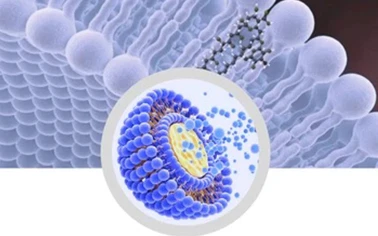
Additionally, combining bearberry extract with cutting-edge delivery systems like liposomes and nanoparticles enhances skin penetration, making products more effective. Sustainability efforts continue as well, with increased cultivation under controlled conditions reducing wild harvesting pressure.
Given the shift to “green” ingredient transparency and a digital-savvy consumer base, watch for increased storytelling around bearberry extract origin, traceability, and impact in brand marketing.
Challenges & Innovative Solutions
One big hurdle is variability. Because it’s a natural extract, its concentration and active content can fluctuate seasonally or based on harvesting conditions. That means cosmetic companies have to invest in rigorous quality control.
In response, some suppliers adopt standardization technologies, ensuring consistent arbutin levels batch to batch. Others combine bearberry extract with complementary actives to boost overall effectiveness, minimizing the effect of variability.
Another challenge is sensitization risk among some sensitive users, though this is rare compared with synthetic agents. Formulators usually address this by testing concentration limits and blending with soothing ingredients.
Frequently Asked Questions About Bearberry Extract in Skin Care
- Is bearberry extract safe for all skin types?
- Generally, yes. Bearberry extract is well-tolerated by most skin types, including sensitive ones. However, as with any active, patch testing is recommended, especially for those with allergies or very reactive skin.
- How does bearberry extract compare to other skin brighteners?
- Bearberry’s arbutin is a gentler alternative to hydroquinone, offering brightening effects without the harsher side effects. It may work slower but is safer for long-term use.
- Can bearberry extract replace chemical sunscreens?
- No, bearberry extract does not provide sun protection, so it should be used alongside sunscreen products to protect against UV damage and enhance skin tone.
- Where can I find products containing bearberry extract?
- Bearberry extract has become a common ingredient in natural and organic skincare brands worldwide. Look for it in serums, brightening creams, and toners, often alongside other antioxidants.
- Does bearberry extract help with acne scars?
- It can help fade post-inflammatory hyperpigmentation related to acne, though it’s best combined with other acne treatments for comprehensive care.
Bearberry Extract in Skin Care: Final Thoughts and Next Steps
All in all, bearberry extract impresses not just as another botanical ingredient, but as a holistic solution meeting modern skincare demands — from efficacy to ethics. Its brightening, antioxidant, and gentle exfoliation properties make it a versatile addition to many formulations.
If you’re curious to explore bearberry extract further or want to see how it can fit into your skin care routine or product line, visit our website for curated research, supplier options, and expert insights: bearberry extract in skin care.
There’s a beauty in simplicity and history coming full circle — and that’s a story worth following.
| Supplier | Sourcing Region | Arbutin Purity (%) | Certifications | Price (per kg) |
|---|---|---|---|---|
| NatureHerb Extracts | Northern Europe | 10% | ISO 9001, Organic | $120 |
| AsianBotanicals Co. | China | 7.5% | GMP Certified | $90 |
| WildCraft Naturals | Canada | 5% | Organic, Fair Trade | $110 |
References:
Post time:Nov - 17 - 2025