Inside the Microcapsule: Carotenoid Beadlets That Actually Behave
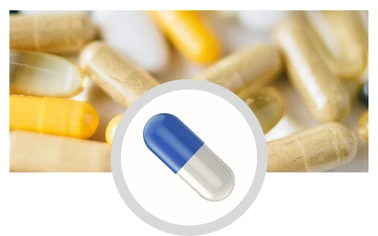
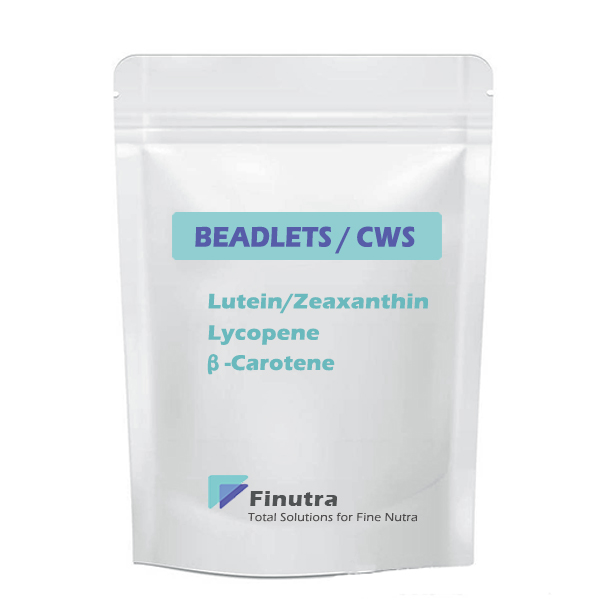
When formulators talk about carotenoids that compress well, disperse in cold water, and don’t turn tabs into a sticky mess, they’re quietly pointing to Beadlets Lutein Zeaxanthin Lycopene Microencapsulation. I’ve seen plenty of “stable” beadlets that weren’t. These ones are different—vegetarian, free-flowing, and surprisingly forgiving in real-world production.
Why the market is moving to microencapsulated carotenoids
Two quick trends. First, eye-health and healthy-aging SKUs won’t slow—lutein/zeaxanthin drive that. Second, beverage-adjacent formats (sachets, RTM powders) prefer cold-water dispersible actives. Put those together and, to be honest, microencapsulation isn’t optional anymore; it’s the ticket to shelf-stable color and potency under heat, humidity, and compression.
Technical overview and process flow
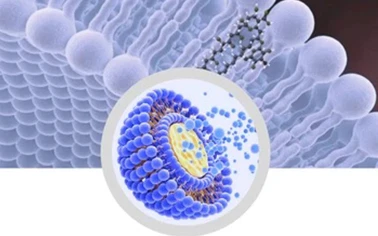
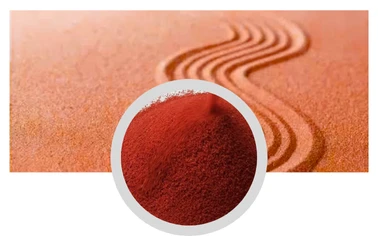
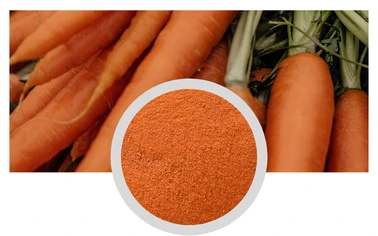
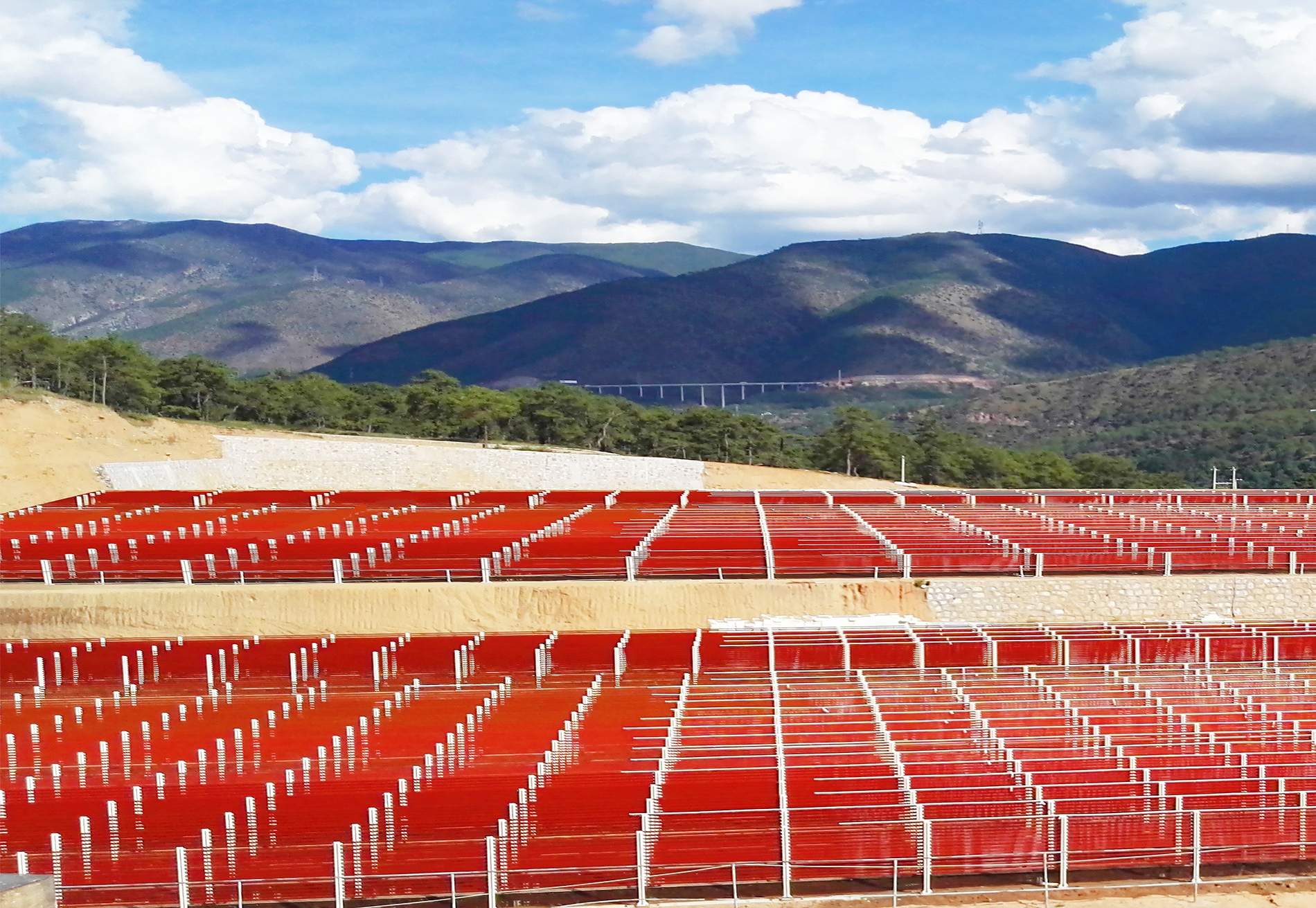
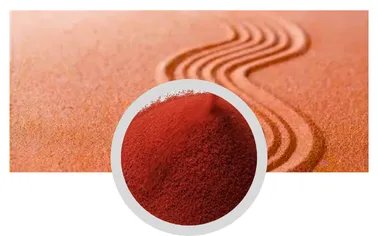
Beadlets Lutein Zeaxanthin Lycopene Microencapsulation are built around carotenoids from marigold (lutein), paprika/Tagetes (zeaxanthin), and tomato (lycopene). The carrier system is gelatin-free (modified starch matrix), with natural tocopherols and ascorbyl palmitate as antioxidants. Production? Emulsification → spray-drying → fluid-bed coating → sieving → in-process QC. Simple to say, tricky to get right.
- Materials: carotenoid oleoresins, modified starch, maltodextrin, sunflower lecithin, antioxidant system.
- Methods: high-shear emulsification, controlled spray-dry, microencapsulation, final coating for compression robustness.
- Testing: assay by HPLC (USP/EFSA-aligned), particle size (laser diffraction), dispersion (USP style), residual solvents (GC), oxidative markers (peroxide value), microbial panel (ISO 4833/21527).
- Service life: ≈ 24–36 months sealed at ≤25°C, ≤60% RH; accelerated stability 40°C/75% RH supports label claims with proper packaging.
- Industries: nutraceutical tablets/capsules, premix for powders, eye-health blends, active-color systems in RTM beverages.
Indicative product specifications
| Parameter | Spec (typical) | Method/Notes |
|---|---|---|
| Lutein content | ≈ 10–20% w/w (as lutein) | HPLC; real-world use may vary by SKU |
| Zeaxanthin content | ≈ 2–5% w/w | HPLC |
| Lycopene content | ≈ 5–10% w/w | HPLC |
| Particle size (D50) | ~ 200–500 μm | Laser diffraction |
| Cold-water dispersibility | Pass (uniform in | Visual + UV-Vis uniformity |
| Compression robustness | High (low oil bleed) | USP guidance; in-house stress test |
Specs are indicative; customization on request.
Applications, customization, and real-world feedback
Common builds include eye-health tablets (lutein/zeaxanthin-forward) and antioxidant caps featuring lycopene. Custom ratios, beadlet size, antioxidant systems, and color targets are available. Many customers say these beadlets tighten up yield because they flow cleanly through high-speed presses—less downtime, fewer capping complaints. Actually, that matches what I’ve seen.
Mini case studies
- Tablet reformulation (North America): switched to Beadlets Lutein Zeaxanthin Lycopene Microencapsulation; friability fell from 1.2% to 0.5%, carotenoid potency retained >95% after 3 months at 40°C/75% RH (n=3, HPLC).
- Powder sachet (EU): improved bloom and dispersion; panel noted 30–40% faster mix-in; color fading reduced by ≈20% at ambient over 6 months (light-protected).
Vendor snapshot and comparison
Origin: Building 23B1, No.2 Yuanboyuan St., Zhengding Area of China (Hebei) Pilot Free Trade Zone. Certifications typically available: ISO 22000/HACCP, GMP, Halal, Kosher; CoA with HPLC data; stability program per ICH Q1A(R2).
| Criteria | Finutra beadlets | Vendor A (Asia) | Vendor B (EU) |
|---|---|---|---|
| Matrix | Gelatin-free starch | Gelatin or starch mix | Starch/alginate |
| Cold-water dispersibility | Strong (≈ | Moderate | Strong |
| Compression stability | High | Medium | High |
| MOQ/Lead time | Low–mid / 2–4 wks | Mid / 4–6 wks | Mid–high / 4–8 wks |
| Price band | $$ (value) | $–$$ | $$$ |
Benchmarks are indicative, compiled from buyer feedback and public specs; always verify current data.
Standards and compliance
Assays align with USP and FCC monographs where applicable; stability follows ICH Q1A(R2) guidance; microbial testing per ISO; label-claim verification by HPLC. For EU users, EFSA opinions on lutein (E161b) and lycopene (E160d) remain the reference for safety and exposure. It seems obvious, but keep packaging light-tight and oxygen-limited to protect these pigments.
Selected references
- USP–NF: Lutein and Lycopene monographs; General Chapter <2040> Dietary Supplements—Dissolution.
- EFSA Journal: Re-evaluation of lutein (E 161b) and lycopene (E 160d) as food additives; various opinions 2010–2013.
- ICH Q1A(R2): Stability Testing of New Drug Substances and Products.
- ISO 22000:2018 Food Safety Management Systems; ISO microbiological methods (e.g., ISO 4833-1, 21527-2).
Post time:Sep - 30 - 2025